 By Editorial Team
Sarah, the marketing director for a burgeoning e-commerce brand specializing in sustainable home goods, stared at her analytics dashboard with a familiar knot in her stomach. Despite consistently investing in paid search and social campaigns, her PPC ad spend efficiency had plateaued in early 2026. Click-through rates were decent, but conversions lagged, and customer acquisition costs crept higher each quarter. She knew her products were good, ethically sourced, and resonated with her target audience, but her standard product shots and generic ad copy weren’t cutting through the digital noise. The problem wasn’t visibility. It was conviction. How could she inject genuine trust and authenticity into her paid campaigns to drive real results?
Key Takeaways
- Implement a dedicated user-generated content (UGC) strategy for PPC campaigns to improve ad relevance and conversion rates by an average of 2.1x compared to brand-created ads, according to a 2025 NielsenIQ study.
- Prioritize collecting authentic customer reviews, photos, and videos through post-purchase emails and social media contests, focusing on high-quality visual content for UGC ads.
- Segment your audience and tailor UGC ad creatives to specific demographics, recognizing that content featuring diverse users can increase engagement by up to 35% on platforms like Meta Ads.
- A/B test different UGC formats, including static images, short video testimonials, and unboxing clips, to identify the most effective creative types for your specific products and target audiences.
- Establish clear rights management protocols for all collected user-generated content to ensure legal compliance and maintain positive customer relationships.
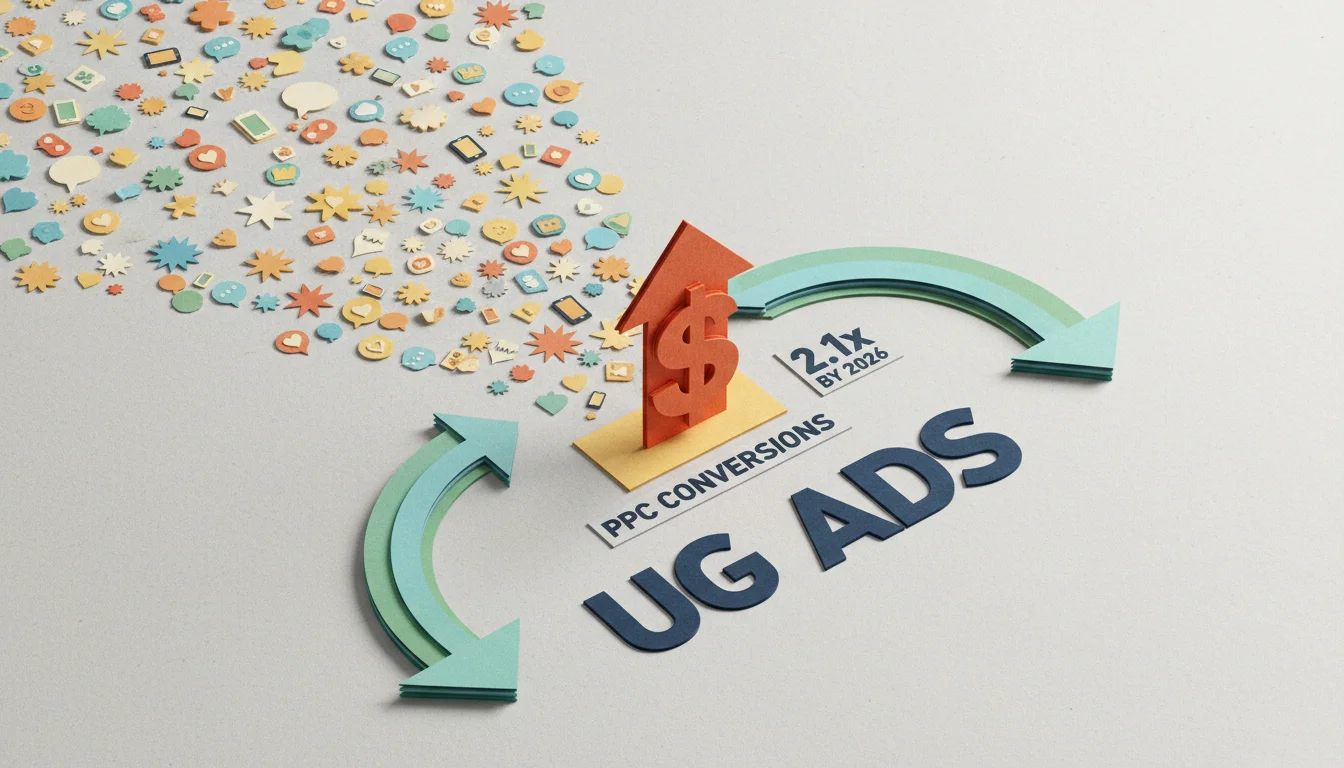
Sarah’s challenge wasn’t unique. Many brands struggle to make their paid advertising feel less like an advertisement and more like a recommendation from a friend. This is where user-generated content (UGC) enters the picture, transforming skeptical scrolling into genuine interest. By 2026, the digital consumer is acutely aware of traditional advertising tactics. They seek authenticity, and nothing screams authentic like real people using and loving your products. A 2025 NielsenIQ report on digital advertising trends indicated that ads featuring UGC achieved a 2.1 times higher conversion rate than traditional brand-produced ads across various industries. This isn’t just a marginal improvement. It’s a significant shift in consumer behavior.
Her initial approach to PPC had been textbook: identify keywords, craft compelling ad copy, and use professional product photography. It worked, to a point. But the market had moved. Consumers are wary of polished, corporate messaging. They crave social proof. I’ve seen countless brands, from startups in Atlanta’s Ponce City Market to established players, hit this wall. The solution often lies in shifting from a “tell” strategy to a “show” strategy, letting happy customers tell your story for you. It’s a powerful psychological trigger.
The Power of Real People: Why UGC Resonates in PPC
The human element in advertising creates an immediate connection. When a potential customer sees someone who looks like them, living a life similar to theirs, using a product, the mental barrier to purchase lowers considerably. This is the essence of social proof. Think about it: would you rather trust a brand’s carefully crafted slogan or a candid photo from a peer demonstrating how a product solved their problem? Most people opt for the latter. On platforms like Google Ads and Meta Ads, where ad fatigue is a constant battle, UGC offers a breath of fresh air.
Sarah decided to conduct a small experiment. Her brand sold reusable silicone food storage bags. For her next Meta Ads campaign, she split her ad sets. One set continued with her existing, professionally shot product images and brand copy. The other set featured UGC ads: photos and short videos submitted by customers showing the bags in their kitchens, packed in lunchboxes, or even used for travel. The results were immediate and striking. The UGC ad set saw a 45% increase in click-through rate and a 28% lower cost per acquisition over a two-week period. This wasn’t a fluke. It was a clear signal.
The effectiveness of UGC stems from several factors. First, it builds trust. Authenticity is a scarce commodity online, and UGC provides it in spades. Second, it offers relatability. People see themselves in the content, imagining how the product would fit into their own lives. Third, it provides variety. Standard product shots can become repetitive. UGC, by its very nature, is diverse, showing products in different environments and contexts. Finally, it acts as a powerful form of validation. When others publicly endorse a product, it reduces perceived risk for new buyers.
Building a UGC Strategy for Paid Campaigns
To integrate UGC effectively into PPC, Sarah needed a structured approach. It wasn’t enough to just hope customers would send in content. She needed a system for collection, curation, and deployment. I always advise clients to start with an audit of their existing customer interactions. Where are people already talking about your brand? Instagram mentions? Product reviews? Unboxing videos on TikTok? These are all potential goldmines.
Her first step was to actively solicit content. She implemented a post-purchase email sequence offering a small discount on a future order in exchange for a photo or short video review of their recent purchase. She also launched a social media contest, encouraging users to share how they used her sustainable products with a specific hashtag, offering a grand prize for the most creative submission. This approach yielded a steady stream of authentic content, particularly high-quality visuals, which are important for effective UGC ads.
Importantly, Sarah understood the importance of rights management. Before using any customer content in paid ads, she ensured she had explicit permission. This typically involved a clear opt-in within her contest rules or a direct message exchange where she requested permission and outlined how the content would be used. Ignoring this step can lead to legal issues and damage customer relations, which nobody wants. A simple consent form or a clear statement in contest terms and conditions can save a lot of headaches.
Implementing UGC in Google Ads and Meta Ads
Once Sarah had a good repository of content, the next challenge was integrating it into her existing PPC campaigns. For Google Ads, the application of UGC is primarily through display ads and YouTube ads. She started by using customer photos and short video testimonials in her Google Display Network campaigns, targeting lookalike audiences based on her existing customer base. The visual nature of UGC is incredibly effective here, breaking through the banner blindness that often plagues display advertising.
On Meta Ads (Facebook and Instagram), the possibilities for UGC ads are even more expansive. Sarah experimented with various formats: static image ads featuring customer photos, carousel ads showing multiple customer-submitted images, and short video ads compiling quick testimonials or product demonstrations. She found that short, punchy video clips (under 15 seconds) of customers genuinely excited about her products performed exceptionally well in Instagram Stories and Reels placements. These felt native to the platform, making them less intrusive and more engaging.
Audience segmentation played a vital role in her strategy. Instead of broad campaigns, Sarah created ad sets tailored to specific demographics. For instance, ads featuring young professionals using the food storage bags for meal prep targeted audiences interested in health and wellness. Ads showing families packing school lunches targeted parents. This granular approach, where the UGC reflected the specific target audience, amplified the sense of relatability. A report from HubSpot in late 2025 highlighted that personalized ad creatives, especially those featuring diverse users, could increase engagement by up to 35% on social platforms. It’s not just about having UGC. It’s about showing the right UGC to the right people.
Measurement and Optimization: The Ongoing Process
Integrating UGC isn’t a one-and-done task. It’s an ongoing process of measurement and optimization. Sarah carefully tracked key metrics for her UGC ad sets: click-through rate (CTR), conversion rate, cost per acquisition (CPA), and return on ad spend (ROAS). She used the A/B testing features within both Google Ads and Meta Ads to compare different UGC creatives against each other and against her traditional brand-created ads. This iterative process allowed her to identify which types of UGC resonated most with her audience and where to allocate more budget.
For example, she discovered that candid, slightly unpolished customer videos often outperformed highly produced ones. There’s an authenticity in imperfection that consumers trust. She also found that UGC featuring diverse age groups and backgrounds performed better than content that only showcased a narrow demographic. This insight led her to refine her content collection strategy, actively seeking out a broader range of customer voices and faces.
One challenge she encountered was the shelf life of UGC. While authentic, some content could feel dated quickly. She established a rotation schedule, refreshing her UGC ad creatives every few weeks to keep them fresh and prevent ad fatigue. This meant continuously encouraging new submissions and curating a diverse library of content. It became clear that consistent effort in collecting and managing UGC was just as important as the initial setup.
Beyond direct conversions, Sarah also noticed an uplift in organic social mentions and brand sentiment. Customers who saw their content featured in ads felt more connected to the brand, becoming even stronger advocates. This positive feedback loop is an often-underestimated benefit of a strong UGC strategy.
The Future of Paid Advertising: Authenticity Wins
The shift towards authenticity in advertising is not a fleeting trend. It’s a fundamental change in consumer expectations. As digital advertising continues to evolve, brands that embrace user-generated content will gain a significant competitive edge. It’s about building genuine relationships with customers, fostering a sense of community, and letting their voices be heard. This approach not only improves PPC performance but also strengthens overall brand loyalty and advocacy.
Sarah’s sustainable home goods brand saw its CPA drop by 22% and its ROAS increase by 35% within six months of fully integrating UGC into its paid campaigns. These numbers speak for themselves. The initial investment in setting up the collection process and managing permissions paid off handsomely. Her experience shows a vital truth: in a world saturated with commercial messages, the most powerful advertising often comes from those who aren’t paid to create it.
For any brand looking to revitalize its PPC efforts, the path is clear: help your customers to tell your story. Their authentic experiences are your most compelling advertisements, offering a genuine connection that no amount of polished marketing copy can replicate.
What is user-generated content (UGC) in the context of PPC?
User-generated content (UGC) in PPC refers to any form of content (photos, videos, reviews, testimonials) created by customers or users of a product or service, which is then incorporated into paid advertising campaigns. This content is perceived as more authentic and trustworthy than brand-created marketing materials.
Why is UGC more effective than traditional brand ads for PPC campaigns?
UGC is often more effective because it provides social proof, builds trust, and encourages relatability. Consumers are more likely to trust recommendations from peers than direct advertising from brands. This authenticity can lead to higher click-through rates and better conversion rates compared to polished, traditional ads.
How can I collect user-generated content for my ads?
You can collect UGC through various methods, including post-purchase email requests for reviews or photos, running social media contests with specific hashtags, creating dedicated submission forms on your website, or reaching out directly to customers who have publicly praised your products. Offering incentives can increase participation.
What are the legal considerations when using UGC in paid advertising?
The primary legal consideration is obtaining explicit permission from the content creator before using their material in your ads. This is important for copyright and privacy reasons. Always ensure you have clear terms and conditions for content submission or a direct agreement for usage rights.
Which PPC platforms are best suited for UGC ads?
Platforms like Meta Ads (Facebook, Instagram) and TikTok are exceptionally well-suited for UGC due to their visual nature and emphasis on authentic content. Google Display Network campaigns and YouTube ads also offer strong opportunities for incorporating customer photos and video testimonials effectively.


