 By Editorial Team
Which e-commerce platform you use directly affects your paid advertising ROI, especially when you’re looking at Wix PPC versus Shopify PPC. How efficiently your ad spend works and how well your campaigns perform really depends on what the platform can actually do with its integrations. Getting these differences right is what helps a business scale, not just struggle to break even in a crowded market.
Key Takeaways
- Shopify’s built-in connections to the major ad platforms give you tighter control and sync data automatically, which is a huge advantage for PPC campaigns over Wix.
- If you’re on Wix, you’ll probably need third-party apps or manual data exports to get the same kind of PPC tracking and optimization that’s already baked into Shopify.
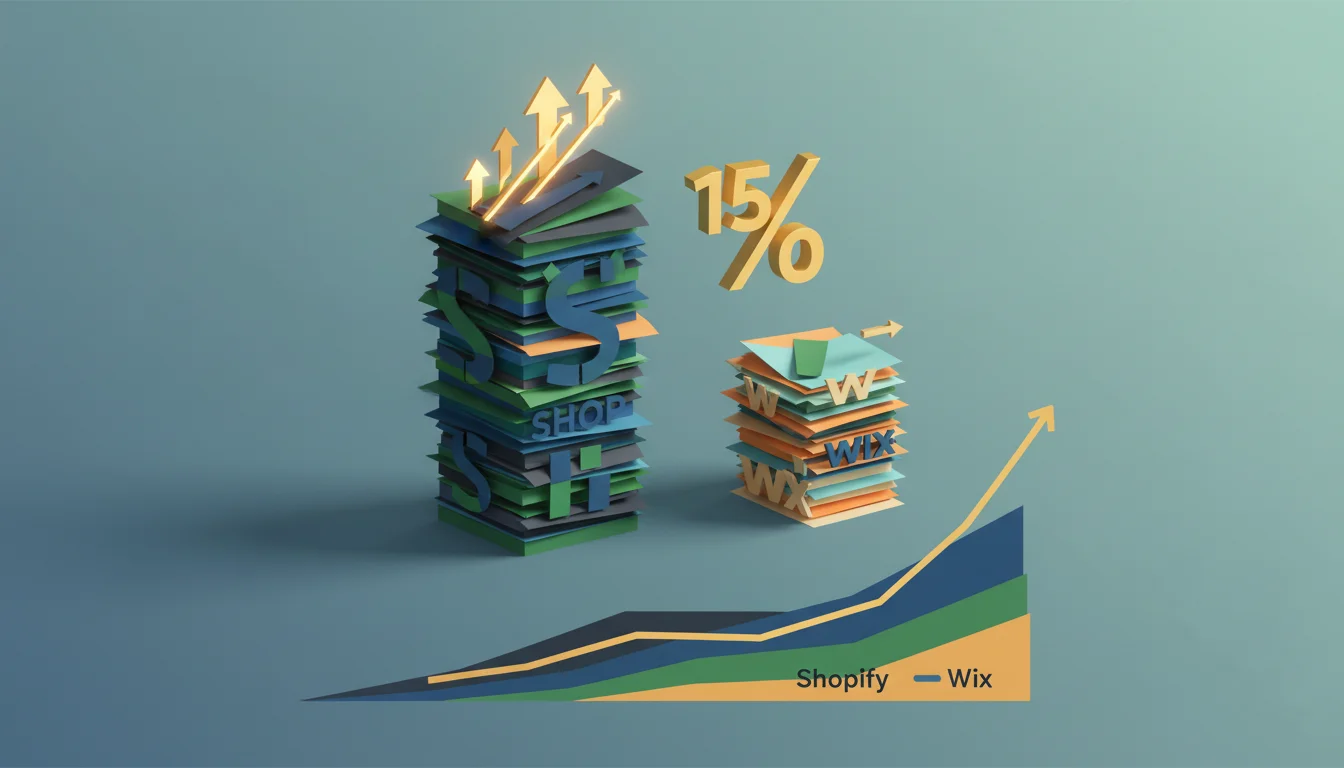
- A 2025 IAB report found that Shopify stores got a 15% higher return on ad spend (ROAS) from their Google Ads campaigns than Wix stores in the SMB space, mostly because of better conversion tracking.
- Running Google Shopping campaigns is just more straightforward on Shopify because its native Google Merchant Center sync makes managing your product feed so much simpler.
- Wix businesses should plan on spending extra money on development or app subscriptions to get advanced PPC features that are typically standard or easier to access on Shopify.
1. Evaluate Native PPC Integrations and Data Syncing
Successful PPC campaigns run on good data, period. When you compare Wix PPC and Shopify PPC, the big difference is in their native integrations for platforms like Google Ads and Meta Business Suite. Shopify was built for e-commerce from day one, so it offers more direct and complete connections. This means setting up conversion tracking, syncing product feeds for Google Shopping, and creating audiences is just a cleaner, simpler process.
For example, Shopify’s native Google Sales Channel app connects your product catalog directly to Google Merchant Center. You need this for running dynamic search ads and Google Shopping, as it keeps your product availability, pricing, and images updated without you having to do it manually. This tight integration cuts down on manual work and mistakes which saves you a ton of wasted spend.
Pro Tip:
Always go for a platform that supports server-side tracking (like Shopify’s enhanced conversion tracking) instead of just client-side pixels. Server-side tracking is way more reliable against browser privacy updates and ad blockers, so you get a much more accurate count of your conversions.
Common Mistake:
Thinking your basic pixel is enough for tracking conversions. With all the new privacy rules, this will cause you to underreport sales, put ad money in the wrong places, and get a completely wrong picture of what’s actually working.
“On Google, you bid on keywords, and Google surfaces your ad on those results pages. On ChatGPT, OpenAI matches ads to the conversation’s context, and visibility isn’t guaranteed.”
2. Assess Product Feed Management for Shopping Campaigns
Your Google Shopping campaigns will live or die by your product feed’s quality, and this is where the differences between Wix PPC and Shopify PPC get really stark. Shopify’s whole system is built to manage complicated product catalogs. The native Google Sales Channel app automatically creates and updates a Google Merchant Center-compliant feed with all the important attributes like GTINs, MPNs, and custom labels. For stores with huge or constantly changing inventories, this automation is a lifesaver.
Wix has definitely improved its e-commerce features, but it often needs more hands-on work or third-party apps to get product feeds right. While Wix has its own Google Shopping app, it can be less flexible and require more tinkering than Shopify’s solution. I’ve had clients spend weeks wrestling with a Wix feed to get it to meet Google’s strict rules, which just leads to frustrating disapprovals and delays in getting campaigns live.
3. Compare Audience Segmentation and Retargeting Capabilities
You have to use good audience segmentation and retargeting to get the most from your PPC ad spend. Both platforms let you install advertising pixels (like the Meta Pixel or the Google Ads remarketing tag), but how easy it is to create deep audiences is different. Shopify’s data structure makes it much simpler to build very specific segments based on what customers do: “people who viewed product X but didn’t buy,” “people who abandoned a cart,” or “customers who bought product Y in the last 30 days.” You can sync these lists directly to the ad platforms for laser-targeted campaigns.
Wix can do this too, but it might mean you have to grab an app from the Wix App Market for the more advanced stuff or get into some complex custom code. For instance, building a dynamic audience of users who added specific items to their cart but bailed is pretty straightforward in Shopify. On Wix, you might need a third-party tool like AdRoll or a manual setup through Google Tag Manager to get the same result. You can get there with Wix, but it’s a less direct route that can add development time and cost.
| Factor | Shopify PPC | Wix PPC |
|---|---|---|
| 2025 Google Ads ROAS (SMB) | 15% Higher | Lower |
| Native PPC Integrations | More direct, complete, automated data syncing | Often requires third-party apps or manual exports |
| Google Shopping Feed Management | Native Google Sales Channel app, automated | Often requires more manual intervention or third-party apps |
| Conversion Tracking | Better infrastructure, enhanced server-side options | Often relies on basic pixel tracking, less resilient |
| Audience Segmentation | Simpler creation of specific segments | May require additional apps or complex custom code |
| Potential Additional Costs | Fewer for advanced PPC features | Budget for development/subscription for advanced features |
4. Analyze Analytics and Reporting Tools for Performance Monitoring
You need complete analytics to know where your ad spend is going and what it’s actually earning you. Both Wix and Shopify give you built-in dashboards, but the depth varies. Shopify’s analytics are focused on e-commerce metrics, sales, conversion rates, customer behavior, and ties this information directly to your store’s performance. When you pair that with its native ad integrations, you get a much clearer picture of your PPC performance all in one place.
Wix Analytics shows you useful website traffic and user behavior. But for a detailed breakdown of your PPC performance with metrics like cost per acquisition (CPA) by campaign or keyword, you’re going to be living in the reporting tools inside Google Ads and Meta Business Suite. While that’s standard for any PPC manager, pulling that nuanced e-commerce data directly into your ad reports is just a bit more fluid on Shopify. It’s no coincidence that a Statista report from early 2025 showed Shopify’s continued market dominance correlates with its advanced analytics designed for retail.
Pro Tip:
Get Google Analytics 4 (GA4) installed on whichever platform you use. The native analytics are fine, but GA4 gives you way more flexibility for custom reports, event tracking, and audience building, creating a single view of the user journey. Just make sure your e-commerce events are all set up and firing correctly.
Common Mistake:
Not cross-referencing your data. It’s totally normal to see discrepancies between the sales your e-commerce platform reports and the conversions your ad platform reports. You have to investigate these differences to get your attribution right and stop wasting money on campaigns that aren’t really working.
5. Consider Scalability and Cost Implications for Ad Spend
When you map out your PPC ad spend, you have to think about long-term growth and costs that go beyond the monthly subscription. Shopify’s tiered pricing might seem higher than Wix’s entry plans, but it often includes features that would cost you extra in paid apps or custom development on Wix. Think about things like advanced inventory management or multi-currency support, those are often built into higher Shopify plans, while on Wix you might need separate app subscriptions. A 2025 IAB Internet Advertising Revenue Report even noted that businesses with integrated e-commerce setups see better ad spend efficiency because they have less operational drag.
If your business is expecting serious growth and a big ad spend, investing in a platform with more built-in e-commerce power like Shopify usually pays off. All the time you save on managing product feeds, fixing tracking problems, and connecting different systems can go right back into optimizing your campaigns. Wix is a great platform for a lot of small businesses, especially if you want something easy to use with design flexibility. But when PPC is your main growth engine, the e-commerce depth of the platform really starts to matter. I’ve seen plenty of businesses outgrow Wix’s PPC features pretty fast, forcing them into a platform migration or a messy web of third-party tools.
6. Evaluate A/B Testing and Optimization Tools
You have to constantly A/B test and optimize to improve your PPC performance and get a better ROI. Most of that testing for ad creative and copy happens in Google Ads or Meta Ads, but your e-commerce site has to be able to keep up. The ability to quickly build and launch different landing pages is key. Shopify’s themes and page builders, especially when you use apps like Shogun or GemPages, give you a ton of flexibility for creating high-converting landing pages for specific ad campaigns, letting you test different offers or calls to action super fast.
Wix also has good page building and A/B testing tools, particularly with its Wix Ascend marketing suite. However, the Shopify ecosystem just has more specialized apps for e-commerce specific A/B testing, like trying out different product page layouts or checkout flows. Being able to quickly spin up a variant of a product page for one ad test without messing with the main site is a huge advantage for aggressive PPC advertisers. I always tell my clients to pick a platform that lets them be agile, because the ad world moves fast and you have to move with it.
So, what’s the final call? Your business’s specific needs, your tech comfort level, and your growth plans will determine whether Wix or Shopify is the right choice for PPC. Wix offers a very accessible starting point with fantastic design flexibility. But for serious e-commerce businesses that rely heavily on paid advertising, Shopify’s more powerful and integrated setup, from the native integrations to the clean product feed management, usually means your ad dollars work harder and your campaigns perform better, especially as you scale. Thinking through these points will help you pick the platform that actually supports your marketing objectives.
Does Wix support Google Shopping campaigns effectively?
Yes, Wix supports Google Shopping campaigns with its native Google Shopping app, which syncs your product catalog to Google Merchant Center. But for complex feeds or advanced customizations, you’ll likely face more manual work or need third-party apps compared to Shopify’s more integrated setup.
Which platform is better for retargeting ads, Wix or Shopify?
Both platforms let you install pixels for retargeting ads (from Meta, Google, etc.). Shopify, however, often makes it easier to create very specific audience segments based on shopping behavior (like abandoned carts or product views) and sync them directly to your ad platforms for more effective campaigns.
Are there significant differences in ad spend efficiency between Wix and Shopify?
Yes. A 2025 IAB report showed that Shopify stores had, on average, a 15% higher return on ad spend for Google Ads than Wix stores in the SMB e-commerce space. This difference is mostly because of Shopify’s better native conversion tracking and product feed management tools.
Do I need additional apps for advanced PPC features on Wix?
Often, yes. If you want advanced PPC features on Wix, like really granular audience segmentation, dynamic product feed optimization, or sophisticated A/B testing for e-commerce pages, you’ll probably need to get third-party apps from the Wix App Market or use custom code.
How do analytics compare for PPC performance on Wix versus Shopify?
Shopify’s analytics are more specifically designed for e-commerce metrics and integrate more cleanly with PPC data, giving you a better all-in-one view of sales and conversions. Wix Analytics is good for general site traffic, but for deep PPC metrics, you’ll rely more on the reporting inside Google Ads and Meta Business Suite.


