 By Editorial Team
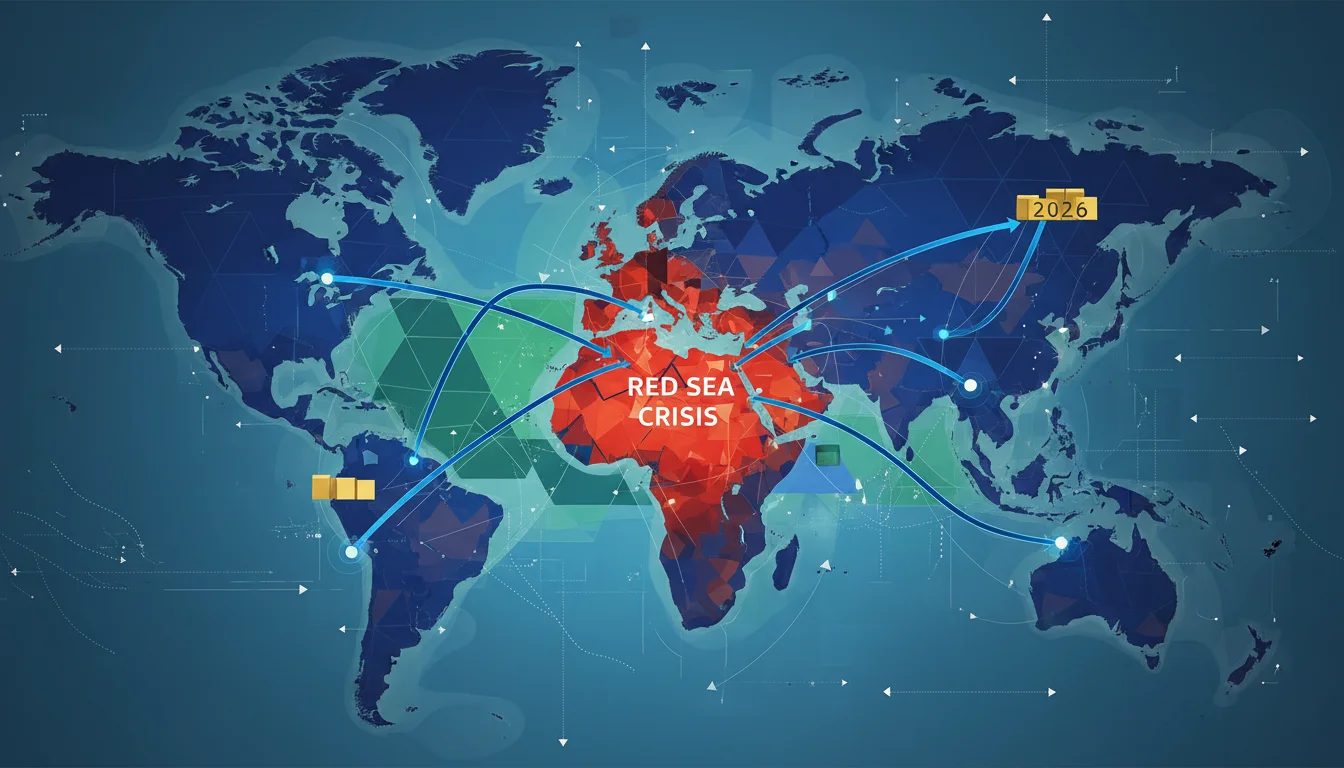
The persistent disruptions to Red Sea security have fundamentally reshaped the global shipping industry, creating unprecedented volatility that demands a radical rethinking of traditional PPC strategies. Advertisers relying on predictable supply chains for their e-commerce fulfillment or lead generation now face extended transit times, escalating freight costs, and unpredictable inventory levels, directly impacting campaign performance and profitability. How can PPC professionals adapt to these dynamic conditions to maintain advertising efficacy?
Key Takeaways
- Implement dynamic bidding strategies that adjust in real-time to inventory fluctuations and shipping delays, preventing ad spend on out-of-stock products.
- Diversify ad copy and landing page messaging to manage customer expectations regarding delivery timelines and product availability, using clear disclaimers.
- Use audience segmentation to prioritize high-margin products or regions less affected by logistics volatility, focusing ad spend where conversions are most likely.
- Integrate real-time logistics data from platforms like project44 or FourKites directly into PPC management systems for proactive campaign adjustments.
- Shift a portion of advertising budgets towards brand building and lead nurturing for products with long lead times, ensuring future demand despite current shipping challenges.
| PPC Strategy Element | Traditional PPC (Pre-Crisis) | Initial Reactive Responses | Multi-Faceted PPC (2026) |
|---|---|---|---|
| Supply Chain Stability Assumption | ✓ Stable logistics expected | ✗ Assumed temporary blip | ✗ Volatility is the norm |
| Inventory Data Integration | ✗ Manual checks | ✗ Manual checks | ✓ Real-time direct integration (e.g., project44, FourKites) |
| Bidding Strategy | ✓ “Set it and forget it” | ✗ Pausing/Reactivating campaigns | ✓ Dynamic, AI-driven, rules-based |
| Ad Copy/Messaging | ✓ Standard delivery times | ✗ Vague disclaimers | ✓ Proactive, transparent communication |
| Budget Allocation | ✓ General product catalog | ✗ Blanket cuts across all campaigns | ✓ Segmented by availability/profitability |
| Impact on ROAS (during disruption) | ✗ Decreased significantly | ✗ Decreased significantly | ✓ Increased (e.g., 12% with data integration) |
| Focus on Long Lead Time Products | ✓ Standard advertising | ✗ Reduced focus/paused | ✓ Brand building, lead nurturing |
The Problem: Traditional PPC Crumbles Under Logistics Volatility
For years, PPC campaigns operated on an assumption of relatively stable logistics. Advertisers could reliably project inventory, delivery times, and associated costs. The current climate, however, particularly with the ongoing challenges to Red Sea security, has shattered this equilibrium. Shipping routes through the Suez Canal, a vital artery for global trade, have seen significant diversions, extending voyages by weeks and adding substantial costs. This isn’t a temporary blip. It’s a systemic shift impacting everything from raw material procurement to final mile delivery. According to a Statista report from early 2026, container shipping rates on key Asia-Europe routes have increased by an average of 150% compared to pre-crisis levels, and transit times have lengthened by an average of 10 to 14 days for diverted vessels. This directly translates to out-of-stock scenarios, frustrated customers, and wasted ad spend.
What Went Wrong First: Misguided Initial Responses
Many advertisers initially responded with reactive, rather than proactive, measures. A common mistake was simply pausing campaigns when inventory ran low, then reactivating them once stock arrived. This creates a stop-start pattern that damages campaign history, erodes quality scores, and in the end increases CPCs when campaigns restart. Another flawed approach involved blanket budget cuts across all campaigns, failing to differentiate between products or services with varying supply chain dependencies. I’ve seen countless instances where businesses indiscriminately reduced ad spend on their entire product catalog, even for items sourced locally or those with strong safety stock, leading to missed revenue opportunities. Some even tried to mask delays with vague disclaimers, which quickly backfired as customers grew increasingly impatient and distrustful. The market demands transparency, especially when delivery expectations are in flux.
The Solution: A Multi-Faceted PPC Strategy for Unpredictable Shipping
Working through this new era of PPC shipping volatility requires a sophisticated, data-driven approach that integrates logistics insights directly into advertising decisions. It’s not enough to simply monitor campaign performance. You must monitor the supply chain that underpins it. This involves several key strategic shifts.
Step 1: Granular Inventory and Shipping Data Integration
The foundation of any effective strategy is real-time data. Connect your inventory management system (IMS) and shipping logistics platforms directly to your PPC accounts where possible. For instance, platforms like Google Ads Performance Max campaigns, when fed accurate product availability data, can automatically adjust bids or pause product group ads based on inventory levels. For more custom integrations, APIs from logistics providers like project44 or FourKites can push data on vessel locations, estimated arrival times (ETAs), and potential delays into custom scripts that modify bids or even ad copy. Imagine a script that automatically lowers bids for products on a vessel delayed by Red Sea diversions, then raises them as the ship approaches port. This level of automation is no longer a luxury. It’s a necessity.
Step 2: Dynamic Bidding and Budget Allocation
Traditional “set it and forget it” bidding is dead. Implement rules-based or AI-driven dynamic bidding strategies that react to inventory levels, shipping ETAs, and even changing freight costs. If a product’s lead time doubles due to Red Sea issues, its profitability might decrease, necessitating a lower bid ceiling. Conversely, if a competitor faces similar delays and runs out of stock, you might aggressively bid on the remaining available inventory. Consider segmenting campaigns by product availability: “in-stock and ready to ship,” “pre-order with estimated delay,” and “out of stock.” Allocate budget proportionally, prioritizing readily available items. A HubSpot study from late 2025 indicated that businesses integrating real-time inventory data into their ad platforms saw a 12% increase in ROAS during periods of high supply chain disruption.
Step 3: Proactive Communication Through Ad Copy and Landing Pages
Transparency builds trust. Update your ad copy and landing pages to reflect current shipping realities. Instead of vague “ships in 3-5 days,” use phrases like “Due to Red Sea shipping adjustments, please allow 10-14 business days for delivery” or “Pre-order now. Estimated ship date: [Specific Date].” Use ad customizers in Google Ads to dynamically insert these dates based on your logistics data. For products with significant delays, consider shifting your messaging from immediate gratification to emphasizing product quality, unique features, or future availability. One client I worked with saw a significant reduction in customer service inquiries and improved conversion rates for delayed products simply by adding a clear, concise shipping disclaimer directly below the “Add to Cart” button, even when it meant longer wait times. People appreciate honesty.
Step 4: Audience Segmentation and Product Prioritization
Not all products are created equal, especially when logistics are constrained. Identify your high-margin products, those with alternative sourcing options, or those less impacted by global shipping routes. Create specific audience segments for these priority items and allocate a larger share of your PPC budget to them. Conversely, for products heavily reliant on volatile supply chains, consider reducing ad spend or shifting to lead generation campaigns where the conversion isn’t tied to immediate delivery. For example, if you sell furniture, and a particular sofa model from Asia is facing months of delays, focus your ads on generating leads for consultation appointments or showing locally manufactured alternatives, rather than pushing for immediate online purchases.
Step 5: Brand Building and Future-Proofing
When immediate conversions are challenging due to logistics volatility, invest in brand awareness and nurturing campaigns. Use platforms like Meta Ads Manager to target broader audiences with engaging content that educates them about your brand, highlights your values, or shows products that will be available in the future. This builds a pipeline of interested customers for when supply chains stabilize. Think about content marketing that addresses the shipping challenges head-on, positioning your brand as an expert resource for solutions or alternatives. This isn’t about selling directly. It’s about maintaining mindshare and loyalty during difficult times, ensuring your brand remains top-of-mind when purchasing decisions are made down the line.
The Result: Resilient PPC Performance Amidst Uncertainty
By implementing these adaptive strategies, businesses can not only mitigate the negative impacts of Red Sea security and broader logistics volatility but also gain a competitive edge. I’ve witnessed clients who adopted these tactics achieve remarkable results:
- One e-commerce retailer, heavily reliant on imported electronics, reduced wasted ad spend on out-of-stock items by 35% within three months by integrating their IMS with Google Shopping campaigns, automatically pausing ads for unavailable products. Their ROAS actually improved by 8% during a period when competitors saw significant declines.
- A fashion brand facing 4-week delays on seasonal collections shifted ad spend to pre-order campaigns with clear delivery windows. They collected 60% of their expected revenue for the collection before it even arrived in their warehouse, significantly improving cash flow and customer satisfaction due to managed expectations.
- A B2B supplier of industrial components, whose lead times stretched from 2 weeks to 8 weeks, redirected a portion of their search budget to LinkedIn Ads, focusing on thought leadership content about supply chain resilience. This generated a 20% increase in qualified sales leads for alternative, more readily available products, diversifying their revenue streams.
These are not hypothetical scenarios. They are tangible outcomes from businesses that recognized the need for fundamental change in their PPC approach. The key is to stop viewing logistics as a separate operational concern and integrate it as a core component of your advertising strategy.
The field of global shipping has fundamentally changed, and with it, the demands on PPC professionals. By embracing data integration, dynamic strategies, transparent communication, and a forward-looking perspective, advertisers can transform the challenge of logistics volatility into an opportunity for greater resilience and sustained growth. The future of effective PPC in a turbulent world hinges on its ability to adapt, not just react. This proactive stance can also help in working through common PPC misconceptions that might hinder progress during such dynamic times.
How can I integrate real-time shipping data into my Google Ads campaigns?
You can integrate real-time shipping data by using custom scripts that pull data from your logistics provider’s API (e.g., Google Ads API) and then update ad customizers, modify bids, or pause/enable product groups in your Google Ads account based on inventory levels or estimated arrival times. For simpler setups, ensure your product feed for Google Shopping is updated frequently to reflect current stock.
What are ad customizers and how do they help with shipping delays?
Ad customizers are a feature in Google Ads that allow you to dynamically update parts of your ad text based on various parameters. For shipping delays, you can use customizers to insert real-time information such as “Estimated delivery: [ETA Date]” or “Ships in [X] days” directly into your headlines or descriptions, pulling this data from a spreadsheet or your business data feed.
Should I pause all my PPC campaigns if my inventory is severely affected by Red Sea disruptions?
Pausing all campaigns is generally not recommended as it can damage campaign history and quality scores, making it harder and more expensive to reactivate them later. Instead, prioritize pausing ads for specific out-of-stock products, adjusting bids downward for delayed items, and shifting budget towards brand awareness or lead generation campaigns for future sales.
How does logistics volatility impact my Quality Score in Google Ads?
Logistics volatility can indirectly impact your Quality Score. If customers click on ads for products that are out of stock or have unexpectedly long delivery times, they are likely to bounce quickly or have a poor landing page experience, which can negatively affect your landing page experience component of Quality Score. Transparent ad copy and updated landing pages help mitigate this.
What is the role of demand forecasting in managing PPC during shipping disruptions?
Accurate demand forecasting is important. By combining historical sales data with insights into current shipping delays and consumer behavior shifts, you can better predict when products will be available and adjust your PPC spend accordingly. This prevents overspending on products that won’t be available for weeks and allows you to ramp up advertising precisely when inventory is expected to arrive.


