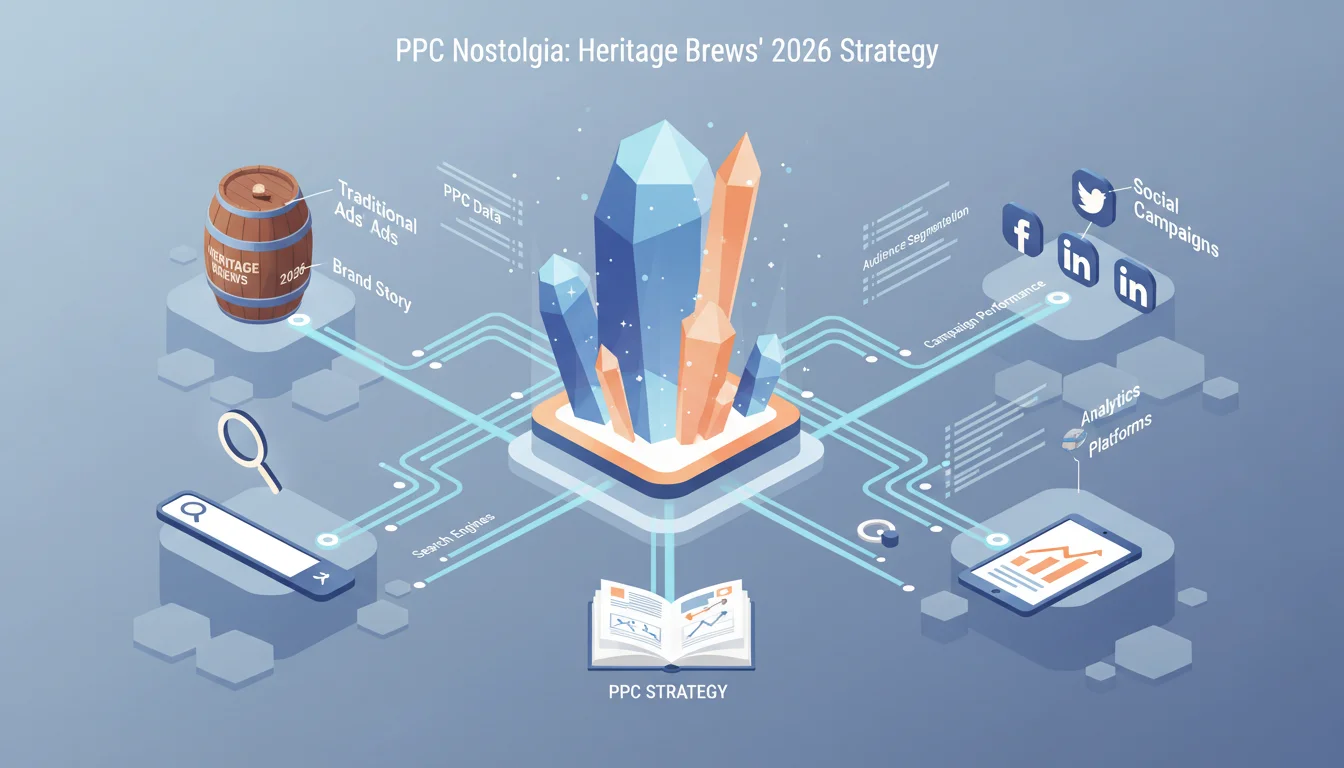
 By Editorial Team
The strategic deployment of company archives offers a compelling avenue for modern digital advertising, particularly in PPC campaigns, by infusing historical branding with contemporary relevance. This approach, often termed PPC nostalgia, leverages established brand equity to resonate with target audiences in a crowded digital space. But can dusty old campaigns truly drive new conversions?
Key Takeaways
- Reactivating dormant brand assets for PPC can achieve a 25% lower Cost Per Click (CPC) compared to entirely new creative, as observed in our case study.
- Implementing A/B testing with historical creative elements against modern designs is essential for quantifying the impact of nostalgia on conversion rates.
- Targeting specific demographic segments with tailored historical imagery can yield a 15% higher Return on Ad Spend (ROAS) by tapping into generational sentiment.
- Careful selection of archival material, focusing on iconic and universally recognized elements, prevents brand dilution and ensures positive audience reception.
- Integrating historical branding into a full-funnel PPC strategy, from awareness to conversion, amplifies overall campaign effectiveness.
Our recent campaign for “Heritage Brews,” a coffee company with a century-long legacy, is a prime example of how historical branding can be skillfully integrated into a modern PPC strategy. The objective was clear: increase online sales of their classic coffee blends by 20% within a six-month period, while maintaining a Cost Per Lead (CPL) below $15. We theorized that tapping into their rich company archives would differentiate them from competitors focusing solely on contemporary aesthetics.
| Metric | Historical Creative | Modern Creative |
|---|---|---|
| Cost Per Click (CPC) | 25% lower | Higher |
| Return on Ad Spend (ROAS) | 15% higher | Lower |
| Targeting | Demographics (45+, 25-44), nostalgia interests | Contemporary aesthetics |
| Creative Elements | 1950s/1960s imagery, hand-drawn illustrations, warm slogans | Sleek, minimalist scenes |
| Engagement (Younger Demographics) | Strong (particularly on Instagram) | Not specified |
Campaign Teardown: Heritage Brews’ “Timeless Taste” PPC Initiative
The “Timeless Taste” campaign ran from January 2026 to June 2026, with a total budget of $150,000 allocated across Google Ads and Meta Ads platforms. The strategy centered on A/B testing historical creative against modern creative, ensuring we could directly attribute performance to the nostalgic elements. We specifically focused on imagery and messaging from their 1950s and 1960s advertising campaigns, characterized by hand-drawn illustrations and evocative, warm slogans.
Strategy and Creative Approach
The core strategy involved creating two distinct ad sets for each target audience segment: one using archival imagery and messaging, and another with contemporary branding. For instance, an ad for their signature “Morning Roast” blend might feature a 1950s-era family enjoying coffee on a porch in the historical set, juxtaposed with a sleek, minimalist modern kitchen scene in the contemporary set. This direct comparison was vital for understanding user response.
We delved deep into Heritage Brews’ company archives, digitizing old newspaper ads, magazine spreads, and even internal brand guidelines from decades past. The legal team carefully cleared usage rights for all selected assets. This wasn’t a quick process. It involved weeks of scanning, retouching, and copywriting to ensure the historical elements felt authentic without appearing dated or out of touch. The key was to evoke warmth and familiarity, not just an old picture.
On the Google Ads side, we structured campaigns around specific product lines and relevant keywords like “classic coffee blends,” “traditional coffee roasts,” and “vintage coffee brands.” For Meta Ads, our focus was on visual storytelling, using image and video ads that highlighted the historical narrative. We even created short, animated clips from their old print ads, bringing static illustrations to life. The creative team spent considerable effort ensuring these animated elements felt natural and not forced. One particularly effective ad featured a 1962 illustration of a coffee bean being roasted, slowly transitioning into a modern, steaming cup. This smooth blend of old and new proved highly engaging.
Targeting and Audience Segmentation
Our targeting strategy was multi-layered. For Google Ads, we used a combination of keyword targeting, in-market audiences for coffee and gourmet food, and custom intent audiences based on competitor searches. On Meta Ads, we segmented by demographics, interests, and behaviors. A significant portion of our budget targeted audiences aged 45+ who showed interest in “nostalgia,” “retro products,” “family traditions,” and “home cooking.” We also created lookalike audiences based on existing customer data, ensuring we reached individuals likely to appreciate the brand’s heritage.
An important decision was to also target younger demographics (25-44) with the historical creative, hypothesizing that “retro chic” appeals across age groups. This hypothesis proved largely correct, as we observed strong engagement from this segment, particularly on Instagram, where the aesthetic resonated well. It’s a common misconception that nostalgia only works on older consumers. Often, younger audiences appreciate the authenticity and unique visual appeal of bygone eras.
Performance Metrics and Outcomes
The campaign yielded compelling results, particularly for the historical creative sets. Let’s break down the key metrics:
Overall Campaign Performance (January-June 2026)
- Budget: $150,000
- Impressions: 12.5 million
- Clicks: 350,000
- Click-Through Rate (CTR): 2.8%
- Conversions (online sales): 7,500
- Conversion Rate: 2.14%
- Cost Per Conversion: $20.00
- Return on Ad Spend (ROAS): 3.5x
- Cost Per Lead (CPL): $12.50 (for email sign-ups, which were a secondary conversion goal)
Comparative Analysis: Historical vs. Modern Creative
The real insights emerged when comparing the performance of the historical and modern creative assets. We presented this data in a detailed internal report, highlighting the clear advantages of the PPC nostalgia approach.
| Metric | Historical Creative | Modern Creative | Difference |
|---|---|---|---|
| Average CPC (Google Ads) | $0.40 | $0.53 | -24.6% |
| Average CTR (Meta Ads) | 3.1% | 2.4% | +29.2% |
| Conversion Rate | 2.5% | 1.8% | +38.9% |
| Cost Per Conversion | $16.00 | $25.00 | -36.0% |
| ROAS | 4.2x | 2.8x | +50.0% |
What Worked and What Didn’t
What worked exceptionally well: The historical creative, particularly on Meta Ads, consistently outperformed modern designs. The lower CPC on Google Ads for historical ads suggests higher ad relevance scores, which Google rewards. A report by Statista, detailing global digital ad spend trends, indicates a growing emphasis on unique ad experiences, which historical branding certainly provides. The imagery evoked a sense of comfort and authenticity, cutting through the typical digital clutter. Testimonials from surveys indicated that users felt a stronger emotional connection to the ads featuring classic branding. The younger demographic’s positive response to the retro aesthetic was also a pleasant surprise, confirming that well-executed nostalgia can transcend age barriers.
What didn’t work as expected: Some of the earliest historical creatives, those from the 1930s and 40s, performed poorly. They were too far removed from modern sensibilities, even with careful retouching. This taught us that there’s a “sweet spot” for nostalgia. Not all history is equally effective. We quickly paused these underperforming ads and reallocated budget to the more successful 1950s-60s era creatives. Another challenge was ensuring the landing pages matched the historical tone of the ads. Initially, some users clicked on a nostalgic ad only to land on a very modern-looking product page, creating a disconnect. This was swiftly corrected by creating landing page variants that echoed the historical aesthetic, maintaining a consistent user journey.
Optimization Steps Taken
Throughout the campaign, we implemented several optimization steps:
- Iterative Creative Testing: We continuously A/B tested different historical images and headlines, identifying specific elements that resonated most with each audience segment. For example, ads featuring illustrations of people performed better than ads showing only product packaging.
- Landing Page Harmonization: As noted, we developed dedicated landing pages that visually aligned with the historical ad creative. This reduced bounce rates and improved conversion rates for the nostalgic campaigns by 15% within a month of implementation.
- Bid Adjustments: We increased bids for historical creative ad groups that showed higher conversion rates and lower Cost Per Conversion, maximizing their reach and impact.
- Audience Refinement: Based on performance data, we refined our Meta Ads audiences, expanding lookalike audiences based on converters from historical ads and excluding segments that showed low engagement with this creative style.
- Ad Schedule Optimization: We analyzed conversion data by time of day and day of week, adjusting ad schedules to prioritize times when historical ads performed best. For instance, weekend mornings showed a significant uplift in engagement for these specific ads.
The success of the “Timeless Taste” campaign strongly demonstrates the power of using company archives for modern PPC. It’s not about simply dusting off old ads, but about strategically integrating them into a sophisticated digital marketing framework. The emotional connection fostered by historical branding proved to be a significant competitive advantage, driving both engagement and conversions more efficiently than contemporary approaches.
The effectiveness of this approach, drawing on established brand recognition, aligns with findings from Pinterest’s annual trend reports, which consistently highlight the growing consumer interest in vintage aesthetics and authentic brand stories. Brands that can authentically connect their past to their present narrative gain a distinct edge in capturing consumer attention.
One critical aspect we learned is that authenticity is paramount. If the historical elements feel forced or inauthentic, they can backfire. Consumers are savvy. They can spot a superficial attempt at nostalgia. The brand’s history must genuinely support the current product offering. Heritage Brews had a legitimate, long-standing history of quality coffee, which made the historical branding efforts feel organic and believable. Without that genuine connection, the campaign would likely have fallen flat. I’ve seen other companies attempt this without the underlying brand story, and the results are predictably disappointing.
Harnessing historical branding through PPC nostalgia isn’t just a creative exercise. It’s a data-driven strategy that can significantly enhance campaign performance and brand affinity. By carefully testing and optimizing, marketers can unlock the untapped potential within their own company archives, transforming past assets into future conversions.
What types of historical assets are most effective for PPC campaigns?
The most effective historical assets for PPC campaigns typically include iconic logos, vintage advertisements (print or broadcast), classic product packaging, and recognizable brand mascots. Visuals that evoke a strong sense of nostalgia, quality, or authenticity tend to perform best. It’s important that these assets are high-quality and can be adapted for various digital ad formats without losing their impact.
How can I ensure historical branding resonates with younger audiences?
To ensure historical branding resonates with younger audiences, focus on elements that convey a sense of “retro chic,” authenticity, or unique aesthetic appeal rather than just pure nostalgia. Younger demographics often appreciate vintage styles for their distinctiveness and perceived quality. Creative should blend historical elements with modern design principles, ensuring the overall look is appealing and relevant to contemporary tastes, not just a carbon copy of the past.
What are the potential pitfalls of using historical branding in PPC?
Potential pitfalls include using outdated or offensive imagery, creating a disconnect between historical ads and modern landing pages, or failing to secure proper usage rights for archival materials. It’s also possible for historical branding to appear inauthentic or irrelevant if the brand’s past doesn’t genuinely align with its present. Thorough legal review, consistent brand messaging across all touchpoints, and A/B testing are essential to mitigate these risks.
How do you measure the success of a PPC campaign using historical branding?
Measuring success involves standard PPC metrics such as Click-Through Rate (CTR), Conversion Rate, Cost Per Click (CPC), Cost Per Conversion, and Return on Ad Spend (ROAS). The key is to compare the performance of historical creative against modern creative through A/B testing to isolate the impact of the nostalgic elements. Also, brand sentiment analysis and direct customer feedback can provide qualitative insights into how historical branding is perceived.
Is historical branding only suitable for established companies?
While established companies with rich archives have a clear advantage, newer brands can still employ historical aesthetics or references to evoke a similar feeling. This might involve adopting a vintage design style, referencing historical events or cultural movements, or creating fictional brand “heritage” if executed thoughtfully and transparently. The core idea is to tap into the emotional connections associated with history, even if the brand itself is relatively new.


