 By Editorial Team
Despite a 4.8% increase in new light-vehicle sales in the first quarter of 2026 compared to the previous year, the cost-per-click (CPC) for automotive PPC campaigns has remained stubbornly high, defying traditional market elasticity. How can automotive marketers adapt their strategies to maintain profitability in this counter-intuitive field?
Key Takeaways
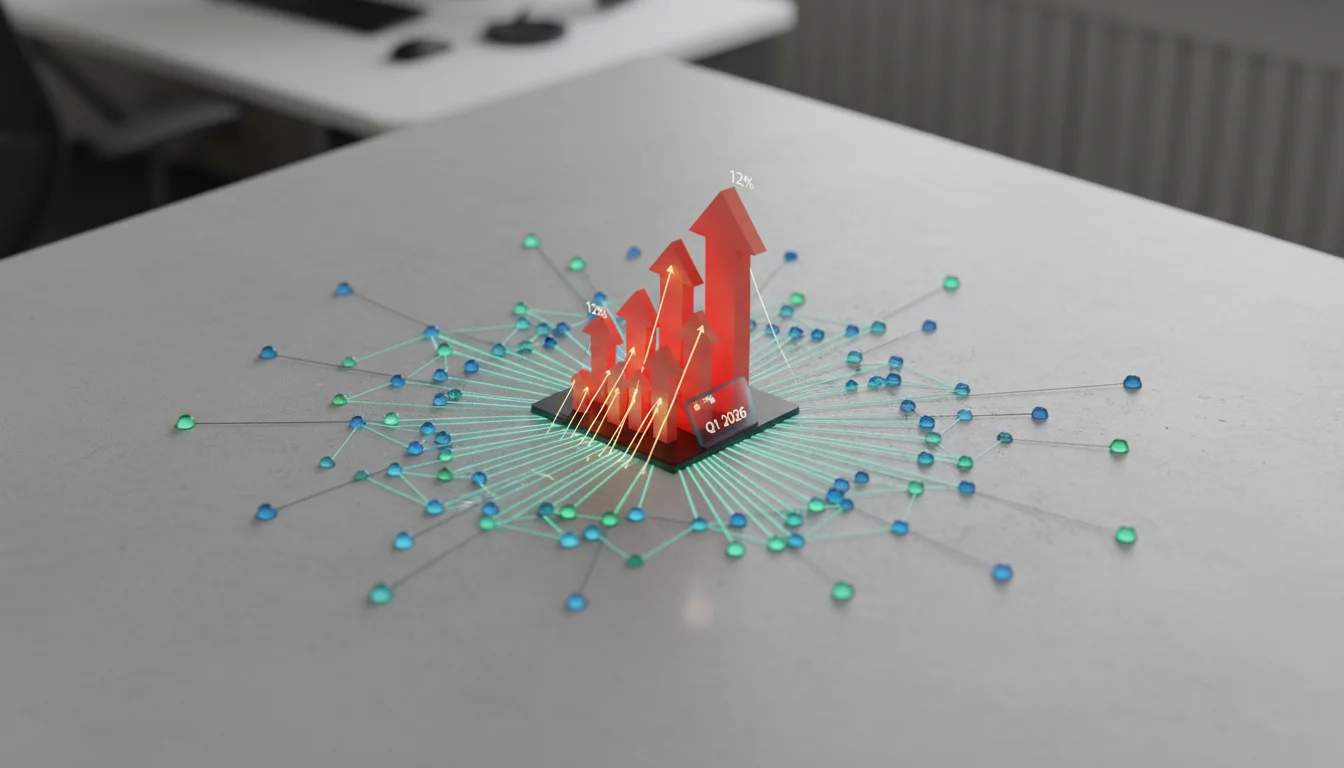
- Automotive PPC campaigns saw average CPCs increase by 12% in Q1 2026, even with a 4.8% rise in light-vehicle sales, indicating heightened competition for buyer attention.
- Dealerships allocating more than 30% of their PPC budget to generic, broad-match keywords are likely overspending without corresponding conversion lifts.
- Effective automotive PPC strategies in 2026 prioritize hyper-local targeting and intent-based keywords, shifting away from brand-level competition.
- Mobile-first ad experiences, including fast-loading landing pages and click-to-call functionality, are now essential for capturing immediate buyer interest.
Average Automotive PPC CPC Rises 12% in Q1 2026
The most striking data point from the recent NADA Market Beat report for Q1 2026 is the 12% year-over-year increase in average cost-per-click (CPC) for automotive paid search campaigns, as reported by eMarketer. This isn’t a minor fluctuation. It’s a significant jump that demands attention. My interpretation? The market isn’t simply more competitive. It’s more discerning, and advertisers are paying a premium to reach increasingly specific buyer segments. Gone are the days when a broad campaign could deliver acceptable returns. Now, every click costs more, meaning every click needs to be more qualified. This signals a clear shift: the battle for automotive buyers has moved beyond sheer volume to precision engagement. Advertisers who fail to refine their targeting and messaging will find their budgets evaporating quickly, leaving them with little to show for it.
Inventory Levels Stabilize, But Buyer Hesitation Persists
While the NADA report indicates a general stabilization of new light-vehicle inventory levels across most segments, a subtle but critical detail is the sustained period vehicles are spending on dealer lots. According to Nielsen data on consumer behavior, potential buyers are taking longer to make purchasing decisions, often visiting multiple dealerships and conducting extensive online research before committing. This prolonged decision-making cycle has direct implications for PPC. It means that the journey from first click to conversion is longer and more complex. A single ad interaction is rarely enough. Marketers need to think about a sustained, multi-touch strategy that nurtures leads over weeks, not days. This means investing in retargeting campaigns that show relevant offers based on previous browsing behavior, and ensuring that your landing pages provide the complete information a hesitant buyer needs, including transparent pricing and financing options. For further insights into optimizing your campaigns, consider how 2026 Search Query Reports can boost conversions.
Mobile Search Dominates 70% of Initial Automotive Queries
It shouldn’t be surprising, but the data confirms it: over 70% of initial automotive search queries originate from mobile devices, a figure confirmed by Google Ads internal reporting. What’s often overlooked, however, is the subsequent drop-off in conversion rates on poorly optimized mobile sites. A mobile-first strategy isn’t just about responsive design anymore. It’s about designing the entire ad experience for a user on the go. This includes ultra-fast loading landing pages (think under 2 seconds), prominent click-to-call buttons, and simplified lead forms. I’ve seen countless campaigns where budget is wasted because the mobile experience after the click is clunky or slow. Users don’t tolerate friction. They’ll simply bounce to a competitor. Your ad might get the click, but your landing page determines if that click has any value. To ensure your brand stands out, consider how responsive PPC can drive brand success.
The Rise of “Near Me” Searches and Local Intent
A significant trend highlighted by the NADA data is the continued growth in “near me” and other geo-modified searches for vehicles and dealerships. Data from HubSpot’s marketing research indicates a 25% year-over-year increase in automotive “near me” searches. This isn’t just about local SEO. It’s about understanding immediate intent. When someone searches for “Ford F-150 near me” or “used car dealerships Atlanta,” they’re often much further down the purchase funnel than someone searching for “best trucks.” Your PPC campaigns must reflect this. Hyper-local targeting, using radius bidding, and incorporating specific city or neighborhood names into ad copy and keywords are non-negotiable. For instance, a dealership in Sandy Springs should be bidding aggressively on terms like “new Honda CR-V Sandy Springs” and ensuring their Google Business Profile is fully optimized. It’s about capturing demand precisely where and when it manifests. This precise targeting can significantly enhance your Performance Max tracking fixes for 2026.
Editorial Aside: Why Conventional Wisdom on Broad Match is Failing
Here’s where I part ways with some of the conventional wisdom still being peddled in automotive marketing circles: the idea that a significant portion of your PPC budget should still go to broad-match keywords to “discover new opportunities.” Frankly, that’s a relic of a bygone era, especially with the current CPC increases. With average CPCs up 12%, throwing money at broad match is like fishing with a net full of holes. You might catch a few fish, but you’ll lose most of them, and your bait will be gone fast. I advocate for a far more surgical approach. Focus on exact match and phrase match keywords that clearly indicate purchase intent. Use negative keywords relentlessly to filter out irrelevant traffic. The “discovery” phase is increasingly happening on other platforms or through organic search. Paid search, particularly in the automotive sector right now, is about capturing existing, high-intent demand. If your generic broad-match campaigns are burning through budget with low conversion rates, cut them. Period. Reallocate those funds to proven, high-intent keyword sets and refine your local targeting. You’ll see a better return, even with higher individual click costs.
The automotive PPC field in 2026 demands precision and adaptability. The days of broad-stroke campaigns yielding significant returns are over. Marketers must embrace data-driven targeting, mobile optimization, and a deep understanding of buyer intent to thrive.
Why are automotive PPC CPCs increasing despite rising sales?
CPCs are increasing due to heightened competition among dealerships for a more discerning buyer base, leading advertisers to bid more aggressively for specific, high-intent keywords and placements.
What is the most critical factor for mobile automotive PPC success?
The most critical factor is a smooth, fast-loading mobile landing page experience with clear calls to action, as over 70% of initial automotive searches originate from mobile devices.
How should dealerships adjust their keyword strategy for 2026?
Dealerships should shift focus from broad-match keywords to precise exact match and phrase match terms, especially those with local intent like “Toyota Camry Atlanta” or “used SUVs near me,” and aggressively use negative keywords.
What role does inventory stabilization play in current PPC strategies?
While inventory is more stable, buyers are taking longer to decide. This means PPC strategies need to support a longer sales funnel through retargeting and complete landing page content to nurture leads over time.
Should automotive marketers still use broad match keywords?
Given current CPC trends, relying heavily on broad match keywords is generally inefficient. Budget should be reallocated to more precise keyword types that demonstrate higher purchase intent, coupled with strong negative keyword lists.


