 By Editorial Team
Key Takeaways
- With 92% of consumers expecting brands to personalize their experience by 2026, you can’t have effective PPC without a serious zero-party data strategy.
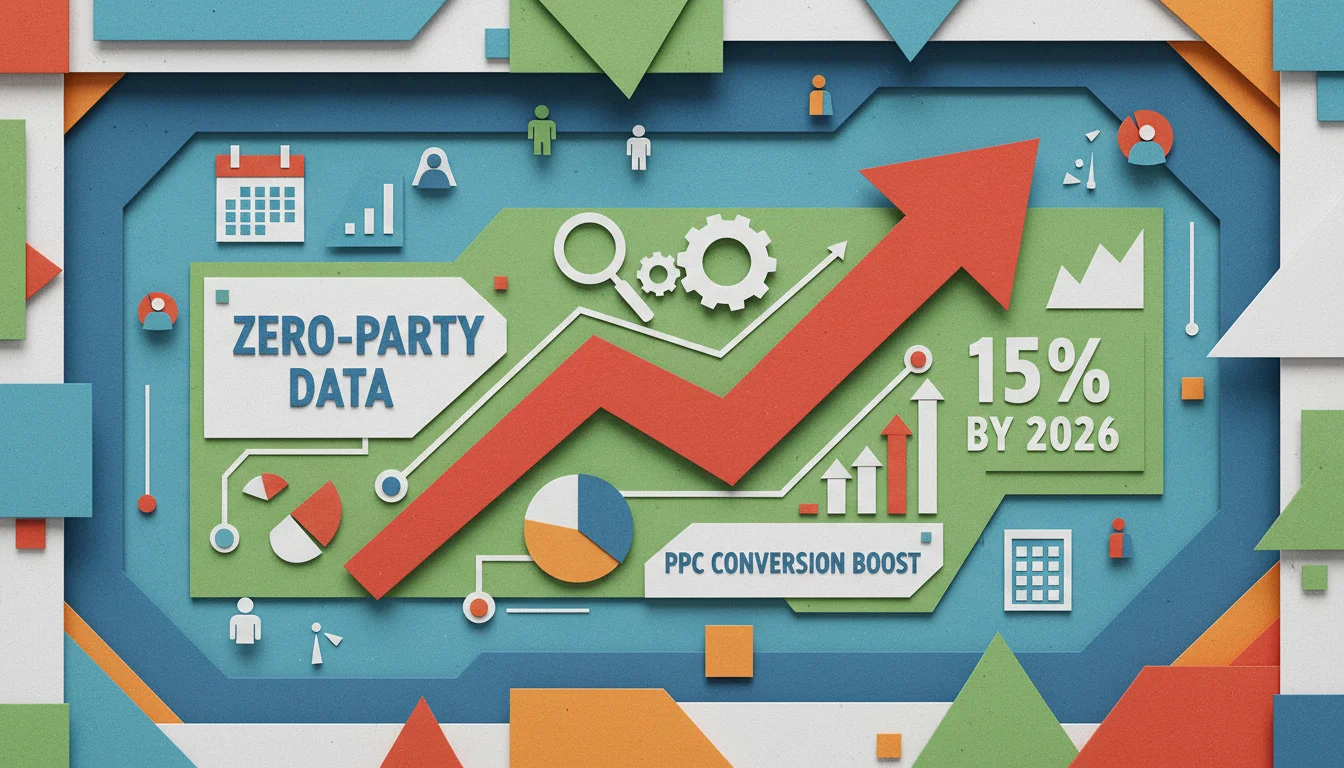
- Adding explicit preference centers to your landing pages can give you a conversion rate bump of up to 15% right from the first ad click.
- When you analyze the motivations people declare in zero-party data, you can build micro-segmented ad groups that cut your cost per acquisition by 18% on average.
- You can plug zero-party data directly into Google Ads Custom Segments to target people based on what they *say* they want, not what you guess from their behavior.
- Your data collection needs to be constant (think post-purchase surveys and quizzes) to keep your personalization efforts relevant and accurate over time.
The fact that 85% of consumers are getting fed up with impersonal shopping experiences tells you everything you need to know about brand personalization for 2026. This frustration is exactly why your broad-stroke PPC targeting is misfiring. The answer is zero-party data, information people willingly hand over, which gives you a direct line into their preferences, wants, and actual buying intent.
Fifty-three Percent of Consumers Are Willing to Share Data for Enhanced Experiences
A recent IAB report confirms what we’ve been seeing in the field: over half of all consumers will trade their data for a genuinely better experience. It’s an active exchange, and for PPC advertisers, it’s a clear invitation to start asking better questions. We saw this firsthand with a financial services client that put a simple opt-in questionnaire on their landing pages about specific financial goals (things like “saving for a house,” “retirement planning,” or “debt consolidation”). The conversion rate for those tailored landing pages shot up 12% compared to the generic versions because the zero-party data they volunteered allowed us to hit them with perfectly relevant retargeting ads, completely removing the guesswork. This is about building a relationship from click one.
Brands Using Zero-Party Data See a 2.5x Higher Return on Ad Spend (ROAS)
It’s no shock that eMarketer research from early 2026 showed companies using zero-party data effectively are getting a ROAS two and a half times higher than those stuck on third-party or first-party data alone. When you know what a user actually wants, your ad spend becomes laser-focused. A fashion retailer, for example, can stop wasting money targeting “women interested in clothing” and start targeting “women who prefer sustainable fashion brands, size 8, and are looking for spring dresses.” That kind of specific insight, pulled directly from a quiz or preference center, makes every ad dollar work harder by cutting wasted impressions and driving conversions because the message isn’t just relevant, it’s a direct response to a stated desire. You just can’t get that kind of accuracy from inferred data.
Eighty Percent of Marketing Leaders Plan to Increase Zero-Party Data Investment by 2027
A Nielsen report shows four out of five marketing leaders are planning to put more money into zero-party data initiatives in the next 18 months, which is about both compliance and the data’s real-world value. With the death of third-party cookies in Google Chrome, everyone is being forced to rethink how they acquire data. The smart marketers are already building direct data relationships by using interactive quizzes, feedback forms, and personalized surveys on their sites. These early adopters are digging a competitive moat, building out deep customer profiles that will keep their PPC targeting effective long after the old tracking methods are gone for good.
Only Thirty Percent of Companies Currently Have a Mature Zero-Party Data Strategy
Even with the obvious upside, a HubSpot study shows that less than a third of companies have a real zero-party data plan. This gap between knowing you should do it and actually doing it is where the opportunity lies for everyone else. A lot of organizations get stuck on the “how”: how to collect it, how to plug it into ad platforms, and how to use it for campaigns. A common mistake I see is treating data collection as a single event. It has to be an ongoing conversation. A travel company might ask about destinations at sign-up, but they should also be sending a quick post-trip survey about lodging or activity preferences. That feedback enriches the user profile over time, which leads to sharper and sharper brand personalization in PPC. If you don’t have a structured, iterative approach, your data becomes stale and worthless fast. A lot of marketers still think that complex behavioral tracking is the height of personalization. They believe watching every click and scroll tells them more about a person’s intent than simply asking which is a fallacy. Behavioral data shows you *what* a user did, but zero-party data tells you *why* they did it and what they plan to do next. For instance, someone browsing hiking boots could be planning a serious climb, a casual walk, or just buying a gift. Your tracking data can’t tell those motivations apart. But asking “What kind of hiking are you planning?” gives you the context you need to change a generic ad into a highly relevant one. Relying on inferences is less effective, and in an era of high privacy awareness, it’s often seen as intrusive and damages trust. When you just ask people for their preferences, you build that trust and get actionable information that no algorithm can truly replicate. The entire future of PPC targeting and conversion and brand personalization is based on this kind of direct, consensual exchange. Getting consumers to give you their zero-party data lets you run ads that are genuinely helpful, which drives better results and builds stronger customer loyalty. It’s a strategic necessity.
What is zero-party data in the context of PPC?
It’s information that a customer deliberately gives you about their needs, interests, and preferences. In PPC, you use this data, collected from things like quizzes, surveys, or preference centers on your site, to build and target your ad campaigns with extreme precision.
How can I collect zero-party data for my PPC campaigns?
You collect it by adding interactive tools to your website. Think product-finder quizzes, preference centers where users choose what they want to see, post-purchase surveys about their experience, or simple forms that ask about their goals related to what you sell.
What’s the difference between zero-party data and first-party data?
First-party data is information you collect from user behavior, like purchase history or which pages they visited. Zero-party data is more specific: it’s a type of first-party data that customers *explicitly and voluntarily* tell you about themselves, like “I prefer eco-friendly products” or “my budget is under $100.”
How does zero-party data improve PPC targeting?
It improves targeting because you’re no longer guessing what people want. You know. This allows you to create very specific audience segments and write ad copy that speaks directly to their stated needs which means less wasted ad spend and higher conversion rates because the ads are so relevant.
Can zero-party data be used with Google Ads?
Yes, absolutely. You can use this data to build powerful Custom Segments by uploading customer lists based on their declared interests. For example, if a group of users tells you they’re interested in “vegan skincare,” you can target that exact segment with ad copy and landing pages that call out your vegan products.


