 By Editorial Team
The fluorescent lights at the downtown Seattle startup hub were buzzing, which was about as annoying as Maya’s mood. Her furniture brand, FurnishAR, had a problem. They were burning through their PPC budget showing off beautiful Scandinavian-inspired pieces with static images and 360-degree videos that just weren’t converting. “We’re showing a picture of a sofa,” she’d told her marketing head, David, last week. “They need to see it in their living room. How does our PPC tech solve *that*?” It was a big question, and with competitors already playing with new ad formats, it felt urgent. The future of advertising for a product like furniture had to be about immersion, not just visibility. The real problem was creating a tangible connection before the customer ever clicked ‘buy’.
Key Takeaways
- AR in PPC can increase engagement and purchase intent by 20-30%, according to industry reports.
- Implementing this means building 3D models and integrating AR experiences into Google Ads or Meta ad units, which usually requires some platform-specific coding.
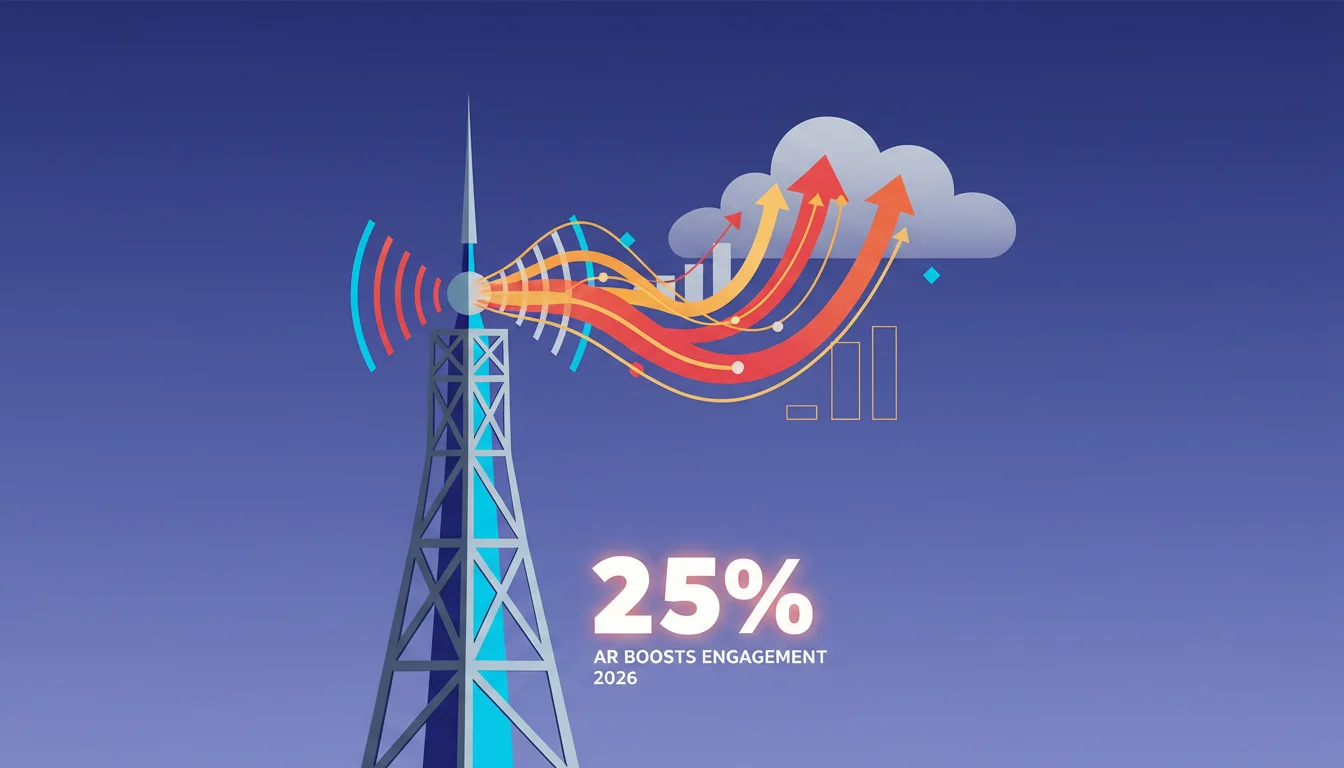
- Immersive ads see a 15-25% higher CTR than traditional static or video ads, based on 2025 eMarketer data.
- The big hurdles are the high upfront cost of creating 3D assets and finding the technical talent to deploy and manage these campaigns.
- Success with AR PPC requires dead-simple CTAs, a bug-free user experience, and strong analytics to track what people are actually doing inside the AR unit.
The Frustration of Flat Ads in a 3D World
David, the marketing head, got it. He’d been running PPC campaigns for years on the same formula, good visuals, sharp copy, tight targeting, and it usually worked. But not for FurnishAR. For them, things like scale and texture were everything, and the standard playbook wasn’t cutting it. “Our bounce rates on the product pages are killing us, even with great ad copy,” he’d said in their weekly sync. “People click, they look, but they don’t get it.” He knew there was a huge gap between the ad and what the furniture was actually like. Everyone was buzzing about augmented reality (AR) for retail, but figuring out how to jam that into a PPC campaign? That seemed to demand a mix of creative and tech skills his team just didn’t have.
It boils down to this: how do you sell a sofa online when no one can sit on it or see how big it really is in their space? FurnishAR wasn’t alone. E-commerce businesses in fashion, automotive, you name it, were all hitting the same wall. Banner ads, even the fancy rich media ones, just don’t communicate what it’s *like* to own something. People are used to slick digital experiences now, and their standards for ads are going up, too. A 2025 IAB report on immersive advertising backed this up, finding that brands using AR saw purchase intent jump by 20% to 30% over old-school ads. This data just confirmed what Maya already suspected: ads needed to be interactive.
Exploring Immersive Ads: The AR Solution
David dove into research on platforms with immersive ads. He found that Google Ads had built out its 3D ad options, letting you upload a model that users could spin around in the ad or, with a tap, place in their own room. Meta had something similar with its AR ads, built using Spark AR Studio, which was working well for stuff like eyewear, cosmetics, and furniture. An AR ad lets a customer actually ‘try out’ a chair in their own living room, seeing if it fits and how it looks next to their other stuff. It’s a practical tool that solves a real e-commerce problem.
Actually doing it, though, was another story. First, they’d have to create good 3D models for every single product in FurnishAR’s catalog, a massive job. Then came the tech headaches: making sure the models looked right on every phone, tracking what people did in the AR view, and connecting all that data back to the PPC campaigns for attribution. David saw that this was a creative, data, and technology challenge all rolled into one. He needed a partner who got both the ad platforms and the nuts and bolts of AR development.
The Partnership: Bridging the Gap with Expert Assistance
A few weeks of meetings and vetting partners later, David went to Maya with a plan. “Let’s go all-in on AR, but start with our hero products,” he said, “and we can’t do it alone.” He wanted to bring in a mobile and digital marketing agency that had experience with this kind of new ad tech. A firm like Moburst, which already works in complex spaces like OTT Advertising, made sense because their approach helps brands scale these advanced, immersive campaigns. For FurnishAR, it meant getting a team that would manage the media buys and also handle the technical side, the 3D assets and AR platform integrations. This was about crafting a completely new user journey, from the first ad impression to someone placing a virtual sofa in their house, and making it all trackable within a PPC campaign. The agency would be responsible for optimizing the AR experience itself, tracking metrics like interaction duration, how many times an object was placed, and tying it all back to conversions.
The Pilot Campaign: Sofa in the Living Room
They decided to run a pilot AR PPC campaign on just one product: their bestseller, the “Nordic Dream” sofa. The plan was simple: prove AR could drive more engagement and sales, and figure out a process they could use for other products. Working with their new agency partner, David’s team handed over the detailed CAD files for the sofa. The agency’s job was to shrink those huge files into something that would load fast on a phone without looking like a blurry mess, which meant optimizing the 3D models, creating texture maps, and making damn sure the scale was accurate.
They launched the campaign on Google’s Display Network and Meta’s ad placements, targeting users who’d already browsed sofas on the FurnishAR site or just showed general interest in home decor. The ad creative was dead simple: “See the Nordic Dream Sofa in Your Home, Tap to Try AR.” A tap launched the AR viewer, letting people use their phone’s camera to place the virtual sofa right in their living room. The experience was intuitive, letting users rotate, move, and even walk around the virtual sofa. A big “Shop Now” button was always visible in the AR viewer, linking right back to the product page.
The first numbers were good. After just two weeks, people were spending an average of 45 seconds in the AR ad, way up from the usual 7-10 seconds for their video ads. The click-through rate (CTR) on the AR units was 22% higher than their best-performing traditional display ads, which was right in line with the uplift eMarketer had forecast for immersive formats in 2025. Even better, the conversion rate from the AR experience to a completed purchase was also up, telling them that letting people visualize the product in their own space was actually closing deals.
Analyzing Performance and Overcoming Hurdles
The good metrics were great, but it wasn’t all smooth sailing. A big headache was just getting the AR to work consistently across the huge variety of Android devices. Apple’s ARKit on iOS is pretty uniform, but the Android world is a mess. “Some older Androids just choked on the 3D models,” David reported to Maya. “It’s a technical limitation we have to account for.” This meant they had to refine their audience segmentation to prioritize phones they knew could deliver a high-quality AR experience. Another lesson: you can’t assume everyone knows how to use AR. They found some users didn’t know how to move or scale the virtual furniture, so a simple animated tutorial at the start of the experience helped cut down on people bailing out in frustration.
Attribution was a whole new can of worms, too. Standard PPC metrics like clicks and impressions still mattered, but the real gold was in understanding *how* users interacted with the AR content. Were they just placing the sofa once and leaving, or were they really playing with it, adjusting its position, taking screenshots? The agency implemented advanced event tracking to capture data points like “object placed,” “interaction duration,” and “screenshot taken.” This granular data let FurnishAR actually understand the depth of engagement, providing insights that traditional ad formats could never offer. They found, for instance, that users who spent more than 30 seconds interacting with the AR sofa had a 50% higher likelihood of adding it to their cart.
Scaling Up: From Sofa to Showroom
The Nordic Dream sofa pilot worked, so FurnishAR went bigger. They picked their top five product categories, sofas, dining tables, beds, bookshelves, and accent chairs, and started the process of getting 3D models made for all of them. This scaling effort made it obvious they needed an efficient 3D asset pipeline and a more integrated way to manage their campaigns. “The upfront investment in 3D modeling is substantial,” Maya acknowledged in a board meeting, “but the ROI from increased engagement and what we expect will be reduced returns is already making a clear case for it.”
Next up, they started looking at more advanced AR features, like multi-product experiences where users could furnish an entire virtual room. This was a much more complex project, requiring better scene understanding and object occlusion capabilities (so a chair looks like it’s *behind* a table, not on top of it), but the potential for deeper engagement was obvious. They also started playing with AR filters on social media to feed traffic into their AR-enabled PPC campaigns. The goal was to build a cohesive immersive experience across all their digital touchpoints, using PPC as the main engine for discovery.
The Future is Immersive: Lessons Learned
FurnishAR’s journey into AR for PPC boiled down to a few hard-won lessons. First, high-quality 3D assets are non-negotiable. A bad model or a buggy experience is worse than nothing. Second, technical expertise in both AR development and ad platform integration is essential, and that often means partnering with specialists who live and breathe this stuff. Third, you need strong analytics to understand user behavior inside the AR unit to properly optimize campaigns. Finally, AR in PPC sells an experience, fostering a real connection with the brand and building the confidence people need to make online purchases. For brands like FurnishAR, the days of flat, static ads were numbered. The immersive future had already arrived.
What is AR in PPC?
It’s when you put an AR experience inside a paid ad. Instead of just seeing a picture, users can tap the ad to use their phone’s camera and see a 3D model of your product in their own room, directly from the ad unit.
Which advertising platforms support AR ads?
The big ones do. Google Ads offers 3D/AR formats for certain product categories, and Meta (Facebook/Instagram) lets you build immersive ad experiences using its Spark AR Studio.
What are the main benefits of using AR in PPC campaigns?
The main benefits are much higher user engagement, better click-through rates, and improved conversion rates because people can visualize the product properly. It can also lead to fewer product returns because customer expectations are more realistic. It just creates a more memorable brand experience.
What are the challenges of implementing AR in PPC?
The challenges are the high upfront cost and technical difficulty of making good 3D models, getting the AR to perform well across all the different devices out there, and setting up advanced analytics to actually track what users are doing inside the AR experience.
How does AR in PPC impact return on investment (ROI)?
While the initial investment for 3D assets and maybe specialized help is higher, AR in PPC can deliver a strong ROI. It comes from increased conversion rates and higher average order values from more confident buyers, along with potentially fewer customer service issues about product appearance.


