 By Editorial Team
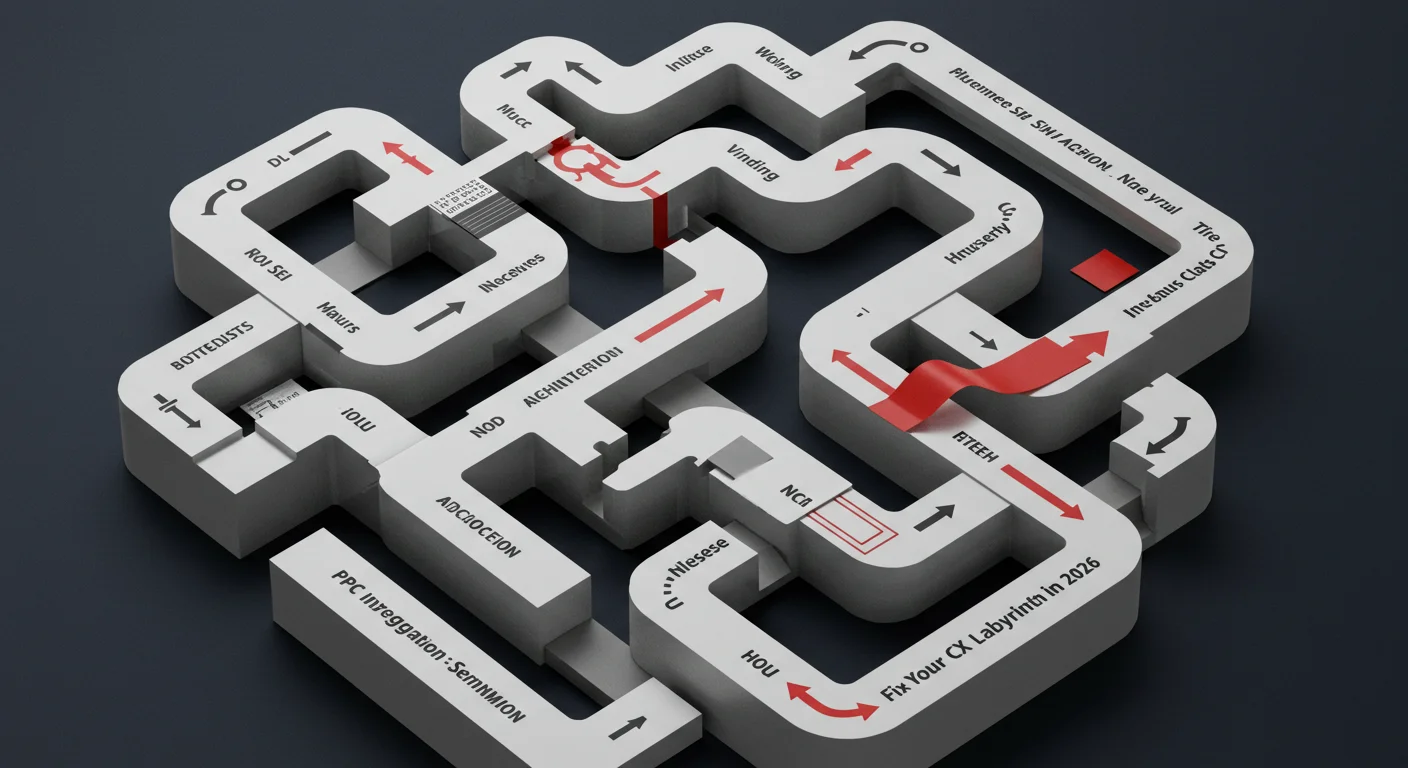
The modern customer journey is a labyrinth, not a linear path. They jump from social media ads to search results, then maybe a retargeting banner, all before finally converting. This fragmented experience presents a massive challenge for marketers: how do you maintain a single, coherent brand voice and message across all these touchpoints, especially when paid advertising (PPC) is involved? The problem I see constantly is a disconnect, where PPC campaigns operate in a silo, detached from the broader customer experience, leading to wasted spend and confused customers. My goal today is to explain how to truly achieve omnichannel CX by integrating PPC integration for a truly consistent experience.
Key Takeaways
- Map your customer journey meticulously, identifying every digital and physical touchpoint to ensure comprehensive PPC integration.
- Implement centralized data management platforms that unify customer data from PPC campaigns, CRM, and website analytics for a holistic view.
- Develop a shared creative and messaging framework across all teams to ensure brand consistency from the first ad impression to post-purchase communication.
- Utilize advanced attribution models beyond last-click, like data-driven or time decay, to accurately measure the impact of integrated PPC efforts.
- Conduct regular, cross-functional audits of your entire CX, including PPC ads, landing pages, and email sequences, to identify and rectify inconsistencies.
The Disjointed Customer Journey: A Common Catastrophe
I’ve seen it too many times. A potential customer clicks a compelling Google Ad for a “20% off summer collection” offer, lands on a generic homepage, then receives an email promoting a completely different winter sale. Where’s the consistency? This isn’t just annoying for the customer; it’s a direct hit to your bottom line. PPC, by its very nature, is designed to capture intent and drive immediate action. But if that action leads to a confusing or inconsistent experience, all that initial momentum is lost. We’re talking about a fundamental breakdown in trust. According to a eMarketer report, global digital ad spending continues to climb, projected to reach over $700 billion by 2026. A significant portion of that investment goes into PPC. Imagine how much of that is simply thrown away due to a disjointed customer experience.
The core issue stems from organizational silos. Marketing teams often focus on their specific channels: the social media team manages organic posts, the email team handles newsletters, and the PPC team optimizes campaigns in isolation. They’re all working hard, but they’re not working together. I had a client last year, a regional electronics retailer, who was running fantastic local search ads for specific TV models. The problem? When customers clicked through, the landing page often showed “out of stock” or “online only” for items readily available at their Atlanta store on Peachtree Street. The PPC team was driving traffic, but the e-commerce and inventory teams weren’t synchronized. It was like inviting someone to a party but not telling them which door to use. The result was a high bounce rate and frustrated customers calling their support line, wondering why they couldn’t find the product.
What Went Wrong First: The Pitfalls of Channel-Centric Thinking
Before we discuss solutions, let’s acknowledge the common missteps. Many businesses start their journey with a channel-centric approach. They launch a Google Ads campaign, then a Meta Ads campaign, then an email sequence, treating each as a separate entity. This isn’t inherently wrong for initial testing, but it quickly becomes unsustainable for growth. The biggest mistake is failing to create a unified customer profile. Without understanding who your customer is across all interactions, how can you expect to deliver a consistent message? We used to rely heavily on last-click attribution, which gave all credit to the final touchpoint. This model completely ignored the influence of earlier PPC ads that might have introduced the brand or nurtured interest. It was a simplistic view that led to misallocation of budget and a skewed understanding of what truly drove conversions.
Another common failure point is inconsistent messaging. I recall a B2B SaaS company I consulted for where their PPC ads promised “instant setup and integration,” but their sales team, when contacted, quoted a two-week implementation period. The disconnect was jarring. The PPC team was focused on driving leads, while the sales team was managing expectations post-lead. Neither was inherently wrong in their goal, but the lack of alignment created a negative experience right out of the gate. This kind of internal friction directly impacts customer perception and, ultimately, conversion rates. You simply cannot afford such internal misalignment when customers expect a seamless journey.
The Solution: Architecting a Unified Omnichannel Experience with PPC at its Core
Achieving true omnichannel CX with integrated PPC requires a strategic shift, not just tactical tweaks. It’s about putting the customer, not the channel, at the center of your universe. Here’s how I advise clients to approach it:
Step 1: Comprehensive Customer Journey Mapping and Persona Development
You cannot integrate what you don’t understand. Start by meticulously mapping every conceivable customer touchpoint, from initial awareness to post-purchase support. This includes search queries, social media interactions, display ads, website visits, email opens, app usage, physical store visits (if applicable), and customer service interactions. For each touchpoint, identify the customer’s intent, their emotional state, and the information they need. Develop detailed buyer personas that go beyond demographics, encompassing motivations, pain points, and preferred communication channels. This foundational work will illuminate where your PPC efforts can best support and amplify the overall journey.
Step 2: Centralized Data Management and Analytics
This is non-negotiable. You need a single source of truth for all customer data. Implement a robust Customer Data Platform (CDP) or integrate your CRM with your analytics platforms (like Google Analytics 4 and your ad platforms). This unification allows you to track customer interactions across all channels, not just within your PPC dashboards. Imagine seeing that a customer clicked a Google Shopping ad, then browsed your product page, then saw a retargeting ad on LinkedIn, and finally converted after clicking an email link. This holistic view is impossible without integrated data. With a CDP, you can segment audiences based on their entire journey, allowing for hyper-personalized PPC campaigns. For instance, if a user abandoned a cart after clicking a specific product ad, you can retarget them with a dynamic ad showcasing that exact product, perhaps with a slight incentive, and ensure the landing page is precisely what they expect.
Step 3: Develop a Unified Content and Messaging Framework
Brand consistency is paramount. Establish clear guidelines for tone of voice, visual identity, and key messaging that apply across all channels. This means your PPC ad copy, landing page content, email sequences, and even social media posts should sound and look like they’re from the same brand. I recommend creating a shared content calendar and a central repository for creative assets. This prevents situations where your PPC team is promoting one offer while your social media team is pushing another. Regular cross-functional meetings between PPC, content, social, and sales teams are essential to ensure everyone is aligned on current campaigns, promotions, and brand narratives. A consistent message builds trust and reduces customer confusion.
Step 4: Advanced Attribution Modeling and Budget Allocation
Move beyond last-click attribution. Modern ad platforms offer sophisticated attribution models like data-driven, time decay, or position-based. These models provide a much more accurate picture of how different touchpoints, including your PPC ads, contribute to conversions. By understanding the true value of each interaction, you can allocate your PPC budget more effectively, investing in campaigns that initiate the customer journey as well as those that close the sale. For example, a display ad that introduces your brand might not get the “last click,” but it plays a crucial role in building awareness and driving subsequent searches. IAB reports consistently highlight the importance of multi-touch attribution in optimizing digital spend.
Step 5: Iterative Testing, Optimization, and Cross-Channel Feedback Loops
Omnichannel CX is not a “set it and forget it” endeavor. Continuously test different ad creatives, landing page experiences, and messaging variations. Crucially, establish feedback loops between teams. The PPC team should share insights on ad performance with the web team (for landing page optimization) and the sales team (for lead quality). Conversely, customer service teams can provide invaluable feedback on common customer pain points that might be addressed in PPC ad copy or landing page FAQs. This continuous cycle of learning and adjustment ensures your omnichannel strategy remains agile and responsive to customer needs.
Concrete Case Study: “GearUp Outdoor” Reaches New Heights
Let me tell you about “GearUp Outdoor,” an online retailer specializing in hiking and camping equipment. When I first started working with them, their PPC campaigns were generating traffic, but conversions were stagnant. Their average Cost Per Acquisition (CPA) was around $45, and their customer lifetime value (CLV) was surprisingly low for their niche. Their problem was classic: PPC was a standalone operation. Ads promised “the toughest tents,” but landing pages were slow, generic, and lacked specific product details. Their email campaigns were entirely separate, often promoting items customers had already viewed or purchased.
Our solution involved a complete overhaul. First, we implemented a new CDP that integrated their Shopify store data, Google Ads, Meta Ads, and their CRM. This allowed us to build a comprehensive view of each customer. We then developed three core personas: “Weekend Warrior,” “Serious Hiker,” and “Family Camper.”
For the “Serious Hiker” persona, we created specific PPC campaigns targeting keywords like “lightweight backpacking tent” and “ultralight hiking gear.” The ad copy highlighted durability and weight. Crucially, we designed dedicated landing pages for these campaigns, featuring high-resolution images, detailed specifications, and customer reviews from other serious hikers. We also ensured that once a user interacted with these ads, they entered an email sequence that offered expert tips on gear maintenance and upcoming advanced hiking workshops, not just generic sales pitches.
The results were compelling. Within six months, GearUp Outdoor saw their CPA drop by 28% to $32.40. More impressively, their CLV for customers acquired through these integrated campaigns increased by 15% because the consistent experience fostered greater trust and repeat purchases. Their conversion rate from PPC traffic went from 2.1% to 3.8%. This wasn’t magic; it was the direct result of understanding the customer journey and aligning every touchpoint, especially PPC, to that understanding. We used Google Ads’ data-driven attribution model to accurately measure the impact of both the initial awareness-driving ads and the conversion-focused retargeting, ensuring budget was allocated where it truly made a difference.
The Editorial Aside: Why “More Channels” Doesn’t Mean “Omnichannel”
Here’s what nobody tells you: having a presence on every single platform doesn’t automatically make you omnichannel. In fact, it can make things worse if those channels aren’t talking to each other. I’ve seen companies spread themselves so thin, trying to be everywhere, that they lose consistency across the board. It’s far better to focus on the channels where your core audience truly lives and ensure a flawless experience there, rather than having a mediocre presence everywhere. Quality over quantity, always. Don’t chase every shiny new platform if you can’t integrate it properly into your existing customer journey. That’s just adding more silos, not breaking them down.
Think about it: if your brand is active on TikTok, Instagram, Facebook, LinkedIn, Google Ads, Pinterest, and runs email campaigns, but each team operates independently, you’re not omnichannel. You’re just multi-channel, and often, quite messy. A truly integrated approach means that a customer’s interaction with your TikTok ad informs the retargeting ad they see on Google, which then influences the content of the email they receive. That’s the power we’re aiming for, and it requires deliberate effort and cross-team collaboration.
Integrating PPC into an omnichannel CX strategy is no longer optional; it’s a fundamental requirement for digital marketing success in 2026 and beyond. By focusing on customer journey mapping, centralizing data, unifying messaging, and adopting advanced attribution, you can transform fragmented interactions into a cohesive, positive brand experience. Stop treating your PPC campaigns as isolated events; instead, weave them seamlessly into the fabric of your entire customer journey for measurable growth and lasting customer loyalty.
What is the primary difference between multi-channel and omnichannel CX?
Multi-channel means a business uses several channels to interact with customers, but these channels often operate independently. Omnichannel, however, implies that all channels are integrated and work together to provide a unified, consistent, and seamless customer experience, with data shared across platforms.
Why is data centralization so important for omnichannel PPC integration?
Data centralization is critical because it creates a single, comprehensive view of the customer. Without it, PPC campaigns might retarget users with irrelevant ads, or marketing teams won’t understand how initial ad clicks contribute to later conversions on other channels, leading to inefficient spending and a disjointed customer journey.
Which attribution models are best for evaluating omnichannel PPC performance?
While last-click is common, it’s inadequate for omnichannel. I recommend exploring data-driven attribution (available in platforms like Google Ads), which uses machine learning to assign credit based on actual conversion paths, or time decay and position-based models, which give more credit to touchpoints closer to conversion or at key points in the journey.
How often should a business review its omnichannel CX strategy and PPC integration?
Omnichannel CX is an ongoing process, not a one-time setup. I advise quarterly comprehensive reviews of the entire customer journey, including PPC performance, messaging consistency, and data flow. Minor adjustments and optimizations should occur continuously, ideally weekly, based on real-time performance data and customer feedback.
Can a small business effectively implement an omnichannel PPC integration strategy?
Absolutely. While large enterprises might have dedicated CDPs, small businesses can start by integrating their CRM with their Google Ads and Meta Business Manager accounts, ensuring consistent messaging across their website, email, and primary social channels. The principles remain the same, even if the tools are simpler.


