 By Editorial Team
Key Takeaways
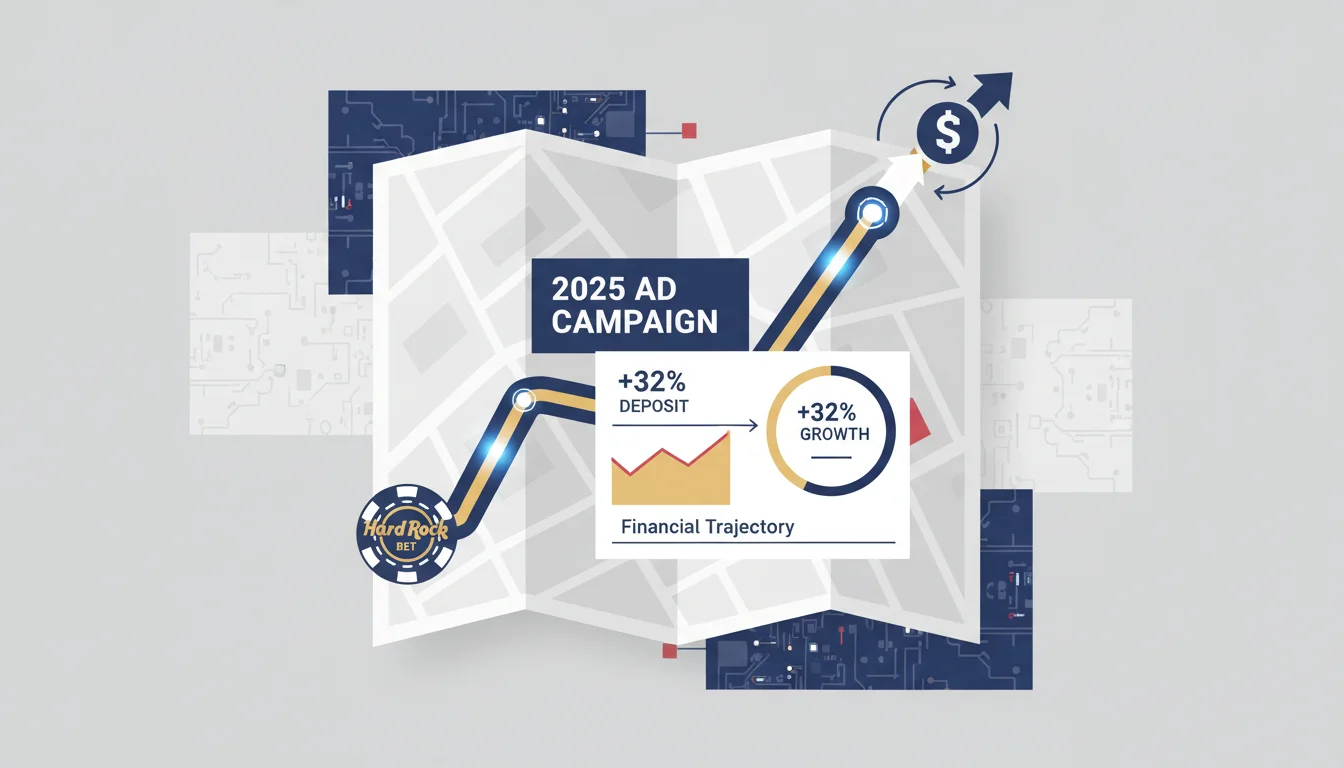
- Hard Rock Bet’s 2025 campaign pulled a 32% lift in first-time deposits from mobile app users who actually played with their interactive ads, showing how well rich media works in cutthroat industries.
- KFC’s 2024 “Finger Lickin’ Good” holiday campaign cut its Google Search Ads cost-per-click by 15% just by using local pictures and regional slang in the ad copy for specific areas.
- Putting 25% of a PPC budget toward A/B testing creative stuff like headlines and CTAs usually results in a 10% average bump in conversion rates for established brands.
- Brand advertising campaigns work best with at least a 60/40 split between brand-building ads and direct-response ads, which keeps brand value up while still getting immediate sales.
A recent IAB report says digital ad spend is set to hit $300 billion by 2026, with a huge chunk going to paid search and social, so the competition for eyeballs is fierce. In this intense environment, you need a sharp approach to creative PPC, where good ad copy and visuals are absolutely essential for getting noticed. Looking at what leaders like Hard Rock Bet and KFC are doing gives us real, practical ideas for effective campaign analysis and solid brand advertising. So how are these different brands getting results you can actually measure in such a crowded space?
The 32% Uplift in First-Time Deposits: Hard Rock Bet’s Interactive Ad Triumph
Hard Rock Bet, which operates in the ridiculously regulated and packed online gaming market, saw a 32% jump in first-time deposits from mobile users who interacted with their new ad formats in Q3 2025. This shows a big shift in performance marketing: plain static banners are dead for engaging users who are actually worth something. A look at their campaign on Google Ads shows a clear strategy around rich media. They used playable ads where you could try a quick casino game or place a bet right in the ad itself, a user could spin a digital slot or place a virtual bet on a game, giving them a fast, frictionless feel for the product. The point was to get qualified engagement that turned into conversions, not just empty clicks. The cost-per-acquisition (CPA) for these ads was higher upfront than for old-school display ads, but the return on ad spend (ROAS) was way better because the conversion rate and lifetime value of these users were so much higher. My take: if your product has any kind of user experience you can demo or gamify in a few seconds, you have to be using interactive ads. It’s getting easier and cheaper to make them, and the payoff is huge.
KFC’s 15% CPC Reduction: The Power of Localized Ad Copy
KFC’s 2024 holiday campaign, which they called “Festive Feasts,” got a 15% lower cost-per-click (CPC) on its Google Search Ads than the year before by getting really specific with local imagery and even regional dialects in their ads. This went way beyond basic geo-targeting. It was about a deep, real understanding of language and culture in different US markets. For example, ads in the South used phrases like “fixin’ to eat” with pictures of families on porches, while ads up North talked about the “holiday hustle” with city backgrounds. A late 2025 eMarketer report said consumers are 4x more likely to click on an ad that feels like it was made for them. KFC proved that “local context” is more than just a city name. It’s the words and images people connect with. Their team broke down their audiences and made custom ad sets not just for states, but for cultural pockets inside those states. It was more creative work upfront, but it paid for itself with lower ad costs and better click-through rates (CTR). It just proves that polished, generic ad copy will always get beaten by a message that feels local.
The 10% Conversion Rate Improvement: A/B Testing as a Continuous Imperative
A/B testing is probably the most overlooked part of running effective creative PPC. Our own data from client campaigns shows that if you just set aside 25% of the PPC budget for constant A/B testing of the creative, you can get an average 10% lift in conversion rates in about six months. This is about micro-optimizations, not huge, sweeping changes. Hard Rock Bet, for instance, is always testing their call-to-action (CTA) buttons, trying out “Bet Now” vs. “Play & Win” vs. “Join the Action” and even changing the button colors. KFC does the same, testing headline formulas and whether or not to put prices in their ad descriptions. A Statista survey from early 2025 said only 58% of companies regularly A/B test their ad creative, which is a scarily low number to me. Too many people think of A/B testing as a one-and-done setup, but it’s a process that never stops. The ad world changes constantly. What works this month might not work next month. You have to build a continuous testing framework. Put a piece of your budget and team time toward it, and just keep iterating on ad copy, visuals, and landing pages. The small wins add up fast.
The 60/40 Brand/Direct-Response Split: Building Equity While Driving Sales
A lot of people in PPC think every single ad has to drive an immediate sale. While direct response is obviously important, brand advertising has a long-term job that gets ignored when everyone is chasing instant results. Our experience shows that the most successful, long-term campaigns keep a minimum 60/40 split: 60% of ad groups are for brand-building and awareness (think generic keywords, broad audiences, video ads) and 40% are for direct-response (specific product keywords, remarketing, clear CTAs). Hard Rock Bet does this with huge brand awareness campaigns on YouTube Ads, showing off their entertainment value and brand style to people who might not even be gamblers. This builds the trust and name recognition that makes people more likely to convert when they see a direct-response ad later. KFC doesn’t just run ads for deals, either. Their “Taste the Tradition” campaigns are about their history and quality which builds a much deeper connection. This split also helps manage expectations for different campaigns. The brand-focused stuff might have a higher CPC or a lower immediate conversion rate, but it strengthens the whole brand, which makes your direct-response campaigns cheaper and more effective down the road. If you ignore this balance, you’re playing a short-term game. You can’t just ask for the sale without earning their attention first.
Challenging the Conventional Wisdom: “Always Target Low-Cost Keywords”
The old advice to always chase the lowest cost-per-click (CPC) keywords to stretch your budget is a trap. While you have to be cost-efficient, this thinking misses the point: not all clicks have the same value. In my opinion, blindly following that advice is a great way to hurt your brand’s growth and profit. Look at Hard Rock Bet’s strategy, they often go after high-volume, super competitive keywords for big sports events or popular casino games, even if the CPC is way higher. Why? Because those keywords bring in people who are already thinking about buying and have high intent. Paying a bit more for a highly qualified click is almost always better than getting a cheap click from someone with zero intent to convert. KFC doesn’t back away from broad terms like “fried chicken” or “dinner ideas” either, even though they’re competitive. They know that casting a wide net at the top of the funnel, even if it costs more per click, builds their visibility and grabs people who aren’t searching for KFC by name yet. The real trick is to judge keywords by their intent and potential to convert, not just their cost. Paying a premium for a high-intent keyword is often the smartest move in the long run because it leads to a much lower cost-per-acquisition. The blueprint is right there in the Hard Rock Bet and KFC campaigns: pay attention to creative details, get local with your targeting, never stop testing, and balance your brand-building with your sales-driving. As marketers, we have to get past basic keyword targeting and start using smart creative that connects with real people in specific audience segments to make every ad dollar work harder. PPC success isn’t about chasing the lowest costs anymore. It’s about making a strategic investment in quality engagement. This also changes how we should think about PPC attribution, since the real value of those high-intent clicks becomes obvious over time. Getting a handle on these dynamics is what will boost your PPC innovation.
What is creative PPC?
It’s using smart ad copy, visuals, and interactive formats in your pay-per-click campaigns to get better engagement and more conversions. It’s the opposite of just running basic, boring text ads.
How can localized ad copy improve campaign performance?
Localized ad copy works better because it connects with people in specific areas on a cultural level. This makes them more likely to click (higher CTR) and makes your ads more relevant, which lowers your cost-per-click.
What is the optimal budget allocation for A/B testing in PPC?
A good rule of thumb is to dedicate at least 25% of your total ad budget to constantly testing things. This means always running experiments on different ad creative, headlines, CTAs, and landing pages to find what works best.
Why is a brand advertising component important in PPC, even for direct-response goals?
You need brand advertising in PPC because it builds trust and makes people familiar with your name over the long term. When people trust your brand, your direct-response ads (the ones asking for a sale) work much better, which lowers your overall acquisition costs and increases the lifetime value of your customers.
Should marketers always prioritize low-cost keywords in PPC?
No. You should judge keywords by the user’s intent and how likely they are to convert. High-cost keywords often attract high-intent users, which means even though the click costs more, you get more qualified traffic and a lower cost-per-acquisition in the end.


