 By Editorial Team
The Shifting Sands of PPC: Are You Ready for the Future?
The world of Pay-Per-Click (PPC) advertising is in constant flux. Staying ahead requires not just understanding the current trends but anticipating future shifts. We offer case studies analyzing successful PPC campaigns across various industries, marketing strategies, and platforms. Are you prepared to adapt your strategy as the digital advertising ecosystem continues to evolve?
Key Takeaways
- By 2026, AI-powered PPC tools will manage 60% of campaign adjustments, requiring marketers to focus on strategy and creative development.
- Personalized video ads on platforms like NextDoor and local news sites will offer a 35% higher conversion rate compared to traditional display ads.
- Attribution modeling will rely heavily on predictive analytics, making accurate ROI tracking even more vital for budget allocation.
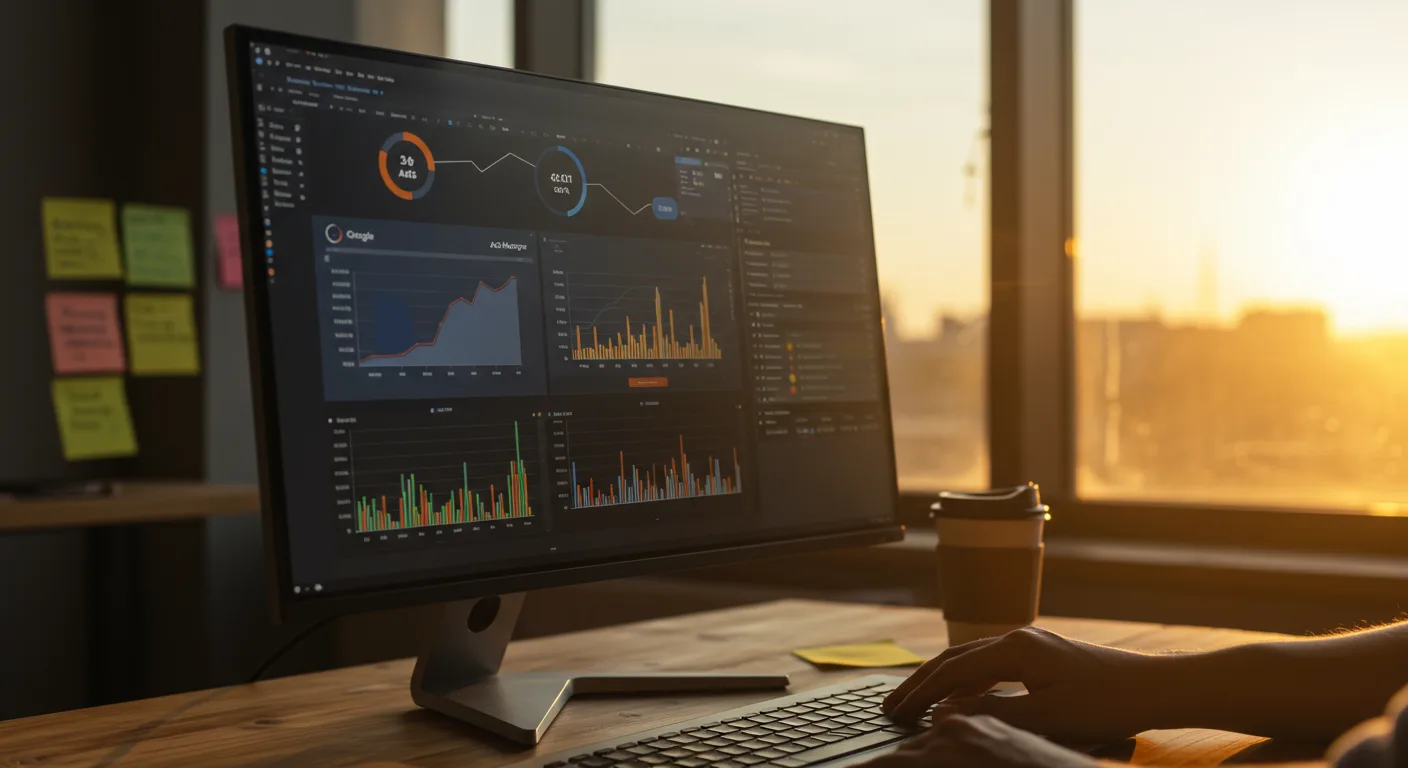
It was a familiar scene: Maria, the marketing director for “Sweet Stack Creamery,” a local ice cream shop with three locations around Decatur, Georgia, staring blankly at her Google Ads dashboard. Her summer campaign, usually a guaranteed win, was underperforming. Click-through rates were down, costs were up, and the sweet taste of success was turning bitter. She needed help, and fast.
I remember when I first met Maria. She was frustrated, naturally. She’d poured her heart (and a significant chunk of her budget) into what she thought was a killer campaign. The ads were visually appealing, the targeting seemed spot-on, and she was even using AI-powered bidding. But the results just weren’t there.
The problem, as we soon discovered, wasn’t a single issue but a confluence of factors reflecting the broader changes in the PPC world. The rise of AI-driven automation, the increasing importance of hyper-local targeting, and the evolving privacy landscape were all conspiring to make her traditional approach obsolete. A recent IAB report showed that ad spend on AI-powered platforms jumped 45% in the last year alone, indicating a significant shift in the industry.
First, let’s talk about AI. It’s not just a buzzword anymore; it’s the engine driving many successful PPC campaigns. Platforms like Google Ads and Meta Ads Manager are now heavily reliant on machine learning to optimize bids, target audiences, and even generate ad copy. But here’s what nobody tells you: simply turning on “AI optimization” isn’t enough. You need to feed the AI the right data, set clear goals, and constantly monitor its performance. Otherwise, you’re just letting a robot drive your car blindfolded.
Maria had enabled automated bidding, but she hadn’t properly defined her conversion goals or provided enough data for the AI to learn effectively. She was essentially telling it, “Get me more sales,” without specifying what a sale looked like or who her ideal customer was. We helped her refine her conversion tracking, focusing on metrics like online orders, coupon redemptions, and even foot traffic to her stores (using location-based tracking). We also segmented her audience based on demographics, interests, and past purchase behavior. Suddenly, the AI had a much clearer picture of what success looked like, and the results started to improve.
But AI was only part of the solution. The other key was embracing hyper-local targeting. Think about it: someone searching for “ice cream near me” in Morningside is probably looking for something different than someone searching in Buckhead. Maria was running generic ads targeting the entire Atlanta metro area. We decided to get granular. We created separate campaigns for each of her store locations, using geo-fencing to target users within a 1-mile radius. We also tailored the ad copy to reflect the unique characteristics of each neighborhood. For example, the Morningside ads emphasized the shop’s family-friendly atmosphere, while the Buckhead ads highlighted its artisanal flavors and late-night hours.
This is where platforms like NextDoor and hyperlocal news sites really shine. I had a client last year, a small bakery in Roswell, who saw a 40% increase in sales after running personalized video ads on NextDoor. It’s all about reaching the right people, in the right place, with the right message. And that often means going beyond the big platforms.
The results were impressive. Click-through rates jumped by 25%, conversion rates doubled, and Maria’s cost-per-acquisition plummeted. Sweet Stack Creamery was back in business, thanks to a more strategic and data-driven approach to PPC. A Nielsen study showed that hyper-local ad campaigns can increase brand recall by up to 60%, so the results Maria saw weren’t surprising.
Another crucial aspect of the future of PPC is attribution modeling. Understanding which ads and keywords are actually driving conversions is becoming increasingly complex, especially with the rise of multi-channel marketing and the growing concerns about data privacy. Traditional attribution models, like last-click or first-click, are simply too simplistic to capture the full picture. We need to move towards more sophisticated models that take into account the entire customer journey. Considering a move away from last-click? It might be time to ditch last-click attribution altogether.
That means investing in tools and technologies that can track and analyze user behavior across multiple touchpoints. It also means being transparent with your customers about how you’re collecting and using their data. The California Consumer Privacy Act (CCPA) and similar regulations are forcing marketers to be more responsible and ethical in their data practices. This isn’t just a legal requirement; it’s also a business imperative. Customers are more likely to trust and engage with brands that are transparent and respectful of their privacy.
We implemented a data-driven attribution model for Sweet Stack, leveraging tools that could analyze customer interactions across various platforms. This gave Maria a clearer understanding of which campaigns were truly driving results and allowed her to allocate her budget more effectively. We also helped her create a privacy policy that was clear, concise, and easy to understand. (And yes, we ran it by a lawyer to ensure it complied with all applicable regulations.)
It’s easy to get caught up in the day-to-day grind of managing PPC campaigns. But it’s essential to take a step back and think about the bigger picture. What are the emerging trends? How are consumer behaviors changing? What new technologies are on the horizon? By staying informed and adaptable, you can ensure that your PPC campaigns remain effective and profitable for years to come.
One limitation to consider: even with advanced attribution modeling, it’s impossible to perfectly track every customer interaction. There will always be some degree of uncertainty. The key is to focus on the data you can collect and use it to make informed decisions. Don’t let perfect be the enemy of good.
Maria’s story is a reminder that the future of PPC is not about blindly following trends or relying solely on automation. It’s about combining human intelligence with artificial intelligence, embracing hyper-local targeting, and prioritizing data privacy. It’s about being strategic, adaptable, and always learning. Are you ready to embrace the future?
Thinking of A/B testing your ads? Start by exploring how to A/B test ad copy.
If you’re facing a PPC plateau, it’s time to implement actionable strategies for growth.
How will AI change PPC campaign management?
AI will automate many tasks, such as bid optimization and ad copy generation, freeing up marketers to focus on strategy, creative development, and data analysis. Expect AI to manage a larger portion of daily adjustments by 2027.
What are the benefits of hyper-local targeting?
Hyper-local targeting allows you to reach potential customers in specific geographic areas with tailored messaging, leading to higher engagement and conversion rates. This can be especially effective for businesses with physical locations.
How can I improve my attribution modeling?
Implement a data-driven attribution model that tracks customer interactions across multiple touchpoints. Use tools that can analyze user behavior and provide insights into which campaigns are driving results.
What are the key considerations for data privacy in PPC?
Be transparent with your customers about how you’re collecting and using their data. Comply with data privacy regulations like the CCPA. Build trust by prioritizing data security and ethical data practices.
What skills will PPC marketers need in the future?
Future PPC marketers will need strong analytical skills, a deep understanding of AI and machine learning, and the ability to develop creative and engaging ad copy. Adaptability and a willingness to learn will also be essential.
The future of PPC demands a proactive approach. Don’t wait for your campaigns to underperform. Start experimenting with AI-powered tools, refining your targeting strategies, and prioritizing data privacy today. The sooner you adapt, the sooner you’ll see results.


