 By Editorial Team
Mountain Tech Symposium 2026: AI Integrations Reshaping PPC
The big takeaway from Mountain Tech Symposium 2026 was clear: AI isn’t just tweaking paid search campaigns anymore. It’s completely rebuilding their foundation, changing what we thought was possible in real-time bidding and how we connect with audiences. So how are you going to adapt your PPC strategy for this?
Key Takeaways
- With third-party cookies disappearing, advertisers have to connect their first-party data with AI-powered bidding systems if they want to stay competitive.
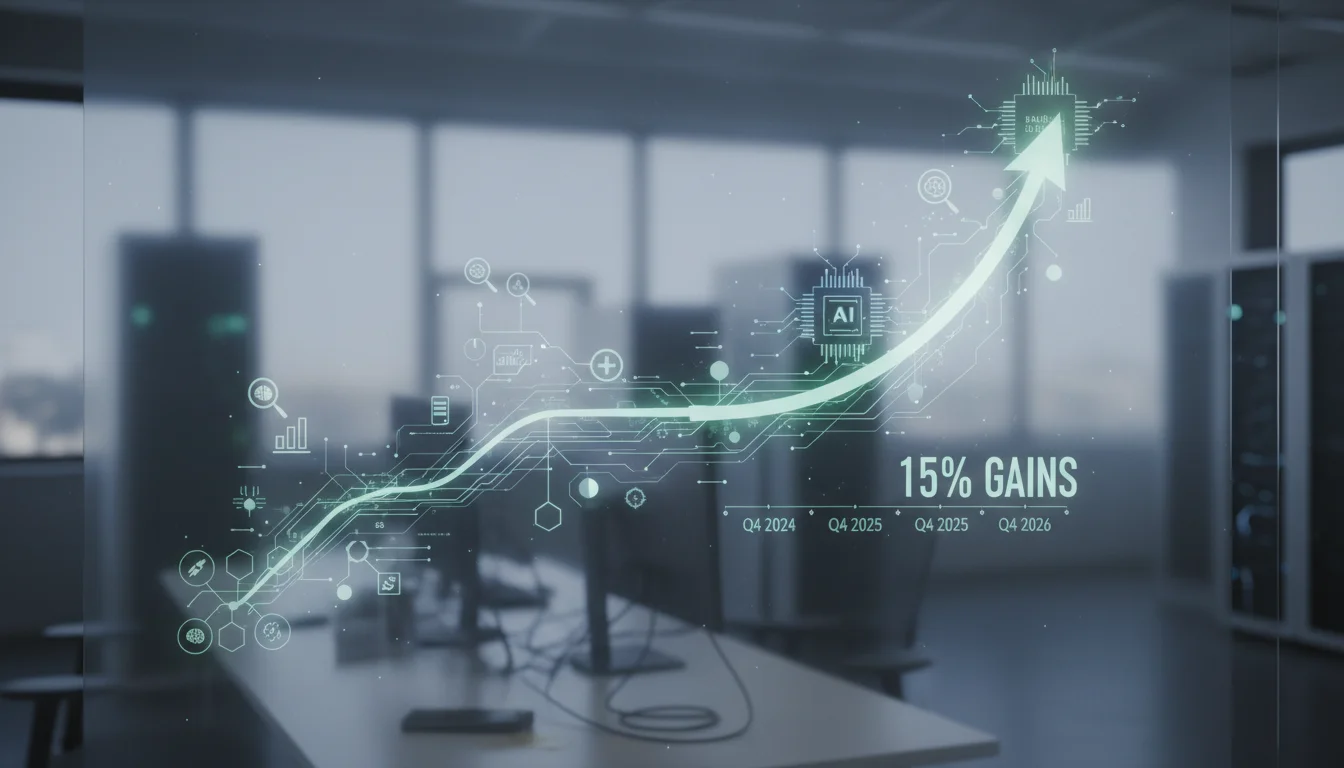
- If you get on board with predictive analytics and use generative AI for ad copy, you can expect to see a 15% improvement in campaign efficiency by Q4 2026 over the old ways.
- You have to invest in training. Your PPC teams need at least 10 hours of hands-on training per person every quarter to keep up with new AI tools and learn good prompt engineering.
- Get ready for more automation in campaign management, which means your job changes from doing manual bid changes to providing high-level strategy and figuring out what the complex AI reports are telling you.
The whole field of paid per click (PPC) advertising is being turned on its head, mostly because of how fast artificial intelligence is developing. The discussions at the Mountain Tech Symposium 2026 made it obvious that the future of PPC is all about how well marketers can weave sophisticated AI tools into their day-to-day work. We’re watching the industry move from a reactive model of campaign management to a proactive, predictive one, where algorithms can actually anticipate market shifts and user behavior with shocking accuracy. This is about augmenting human decision-making with raw computational power that chews through huge datasets in a blink. Think about how bidding strategies have changed. Manual bidding was once the core of PPC, but it’s been mostly replaced by automated systems. Now AI is taking it even further. We’re talking about truly intelligent, adaptive bidding that goes way beyond simple rules. These systems look at a ton of signals, historical performance, how crowded the auction is, seasonal trends, and sometimes even macroeconomic data, to adjust bids in real time, often at a level of detail we could never manage manually. For example, Google’s Performance Max campaigns have been around for a bit, but by 2026 they’ve gotten so much smarter, using more advanced AI for generating assets and reading audience signals, which demands a completely different approach from us advertisers. Our job is now to feed the machine high-quality creative assets and define clear conversion goals, then trust the AI to figure out the best way to get there. This means marketing teams need a different set of skills, shifting away from the old days of manually manipulating campaigns and toward providing strategic guidance and being able to make sense of the data.
AI Integrations: Beyond Automated Bidding
AI-powered bidding is basically standard practice now, but the real effects of AI on PPC go much deeper than just optimizing spend. Generative AI, for one, is completely changing how ad copy and creative assets get made. Tools based on models like DALL-E (the concept is what matters, not the brand name) and other internal platforms let marketers spit out dozens of ad variations, headlines, and descriptions for specific audience segments in just a few minutes. This cuts the time we spend on brainstorming and testing down to almost nothing, which lets us iterate and personalize ads like crazy. I’ve seen teams go from taking days to write ad copy to getting it done in a couple of hours, freeing them up for bigger-picture strategic work. The flip side is that the quality of your prompts and the data you feed these models is everything. Garbage in, garbage out is more true than ever. AI also gives us audience segmentation and targeting with a new level of precision. It can analyze huge amounts of first-party data, sometimes layered with anonymized third-party insights (where it’s still possible and legal), to spot tiny patterns and micro-segments a human analyst would almost certainly miss. This opens the door for hyper-personalized ads that really speak to individual users, which naturally leads to better engagement and more conversions. Imagine a system that sees a user has looked at a product three times, put it in their cart, but never bought it, and then serves them an ad that specifically tackles a common purchasing fear or offers a small, timely discount. That kind of predictive engagement is a huge jump from just targeting based on demographics. The big challenge, and it’s a real one, is making sure your first-party data is clean, organized, and properly connected to your ad platforms. Without a solid data foundation, even the best AI tools won’t perform.
Market Evolutions and the Privacy Imperative
The market changes hitting PPC are coming from all sides, but privacy regulations are one of the biggest drivers. The slow death of third-party cookies and tougher data privacy laws around the world were a huge topic at the Mountain Tech Symposium 2026, and they mean we have to lean more and more on our own first-party data. AI is essential here. Machine learning algorithms can dig into a brand’s own customer data to build detailed audience profiles, predict what they’ll do next, and find lookalike audiences, all without needing external tracking IDs. This keeps you compliant and also builds a tougher advertising strategy that isn’t so vulnerable to sudden policy changes from Google or Apple. Just look at what this means for attribution modeling. Old-school last-click attribution just doesn’t cut it anymore when the customer journey is so messy and has so many touchpoints. AI-powered attribution models use complex algorithms to assign credit more fairly across all the different touchpoints, giving you a much more honest picture of your campaign’s performance. This helps marketers see the real effect of their PPC spend and move budgets around more intelligently. It’s not just theory. A recent IAB report on attribution trends pointed out that companies using AI-driven attribution saw a 12% average bump in marketing ROI in 2025 compared to those still using basic rules-based models. That’s real money.
Working through New PPC Trends: From Prompt Engineering to Ethical AI
The new trends in PPC require new skills and a different strategic mindset. Prompt engineering for generative AI has become a genuine skill. Writing a good, precise prompt is the difference between getting back generic, boring ad copy and getting something that’s actually engaging and drives conversions. It’s a mix of creativity, a good read on audience psychology, and some technical know-how about how the AI models work. It’s an art and a science, and I fully expect to see “Prompt Engineer” as a common job title in agencies and in-house teams by the end of 2026. Another big one is the growing focus on ethical AI in advertising. When AI systems start making more decisions on their own, we have to ask hard questions about bias, transparency, and fairness. Are your AI models accidentally excluding certain groups or amplifying existing biases in how they target ads? This means we have to do serious testing, audit our algorithms, and commit to using data responsibly. The laws around AI ethics are still being written, but getting ahead of it and sticking to ethical principles will build trust with customers and save you from legal or PR headaches down the road. I’m convinced that brands who make ethical AI a priority now will have a major advantage as consumers get smarter and regulators get tougher. Then there’s the rise of conversational AI being built right into search experiences, which is a whole new thing for PPC. People might start having conversations with AI assistants that don’t just find information but also recommend products and services based on a real understanding of what they need. How do you optimize for that? It’s not about keywords anymore. It forces advertisers to think about optimizing for conversational questions and how their products can be naturally suggested in these AI-driven chats. This will require a much better grasp of natural language processing (NLP) and how to structure your product info so AI can easily understand and use it.
Strategic Imperatives for 2026 and Beyond
To do well in this new world, advertisers have a few things they absolutely must do. First, modernizing your data infrastructure isn’t optional. You have to invest in good systems for collecting, managing, and integrating your first-party data. This means using tools like customer data platforms (CDPs) that pull together a single customer view from all your different touchpoints, giving your AI a clean source of truth to work from. If you don’t have this, your AI is just guessing based on bad data, which severely limits how well it can work. Second, continuous learning and upskilling for PPC teams is everything. The tools are changing so fast. Marketing pros have to get good at prompt engineering, data analysis, and just generally understanding what the AI is telling them. It’s not about everyone becoming a data scientist. It’s about being a smart user who can interpret what the tools are doing. Many agencies are already making monthly training on new AI features mandatory. Third, you have to shift your focus from tactical work to strategic oversight. As AI takes over more of the day-to-day grunt work of campaign management, the human marketers need to be thinking at a higher level, setting clear goals, making sense of complex performance data, finding new market opportunities, and making sure the brand’s message is consistent. Your role becomes more of a consultant, where you’re guiding the AI instead of pulling all the levers yourself. The real value you provide comes from asking the right questions and setting up the right tests for the AI to run. Finally, you need to have an experimental mindset. The AI space is always changing, with new tools and features popping up all the time. Advertisers have to set aside some budget and time just for testing new things. A strategy that works great today could be obsolete tomorrow. This constant cycle of testing, measuring, and learning is what will keep your campaigns ahead of the curve. The Mountain Tech Symposium 2026 really drove home that AI isn’t some far-off idea for PPC. It’s here now. The people who figure out how to use it strategically and ethically will be the ones who win.
Conclusion
In 2026, the future of PPC is all about smart AI integration. This means marketers have to change from being hands-on operators to being strategic architects who guide these intelligent systems. Having a strong first-party data setup and keeping your team’s skills sharp are the baseline requirements for staying competitive.
How is AI changing PPC bidding strategies in 2026?
AI is making bidding way smarter. Instead of just following basic rules, it’s now using adaptive systems that look at all kinds of real-time data, like what competitors are doing, seasonal trends, and even economic news. This lets it make tiny bid adjustments constantly, optimizing your spend far better than any human or simple automation ever could.
What role does generative AI play in ad creation for PPC?
Generative AI is a huge time-saver for ad creation. It lets marketers generate tons of different ad headlines, descriptions, and image ideas for specific audiences in minutes. This drastically shortens the whole cycle of brainstorming and A/B testing, so you can iterate much faster and personalize ads at a scale that wasn’t possible before.
How does the deprecation of third-party cookies affect PPC and AI?
Losing third-party cookies means advertisers have to get serious about using their own first-party data. AI is the key to making this work. Its algorithms can analyze your customer data to build accurate audience profiles and predict behavior, which lets you run effective, compliant campaigns without needing those external tracking cookies.
What is prompt engineering and why is it important for PPC in 2026?
Prompt engineering is the skill of writing clear, specific instructions for generative AI tools to get the best results. It’s incredibly important because the quality of your prompt directly determines the quality of the ad copy or creative you get back. Good prompts lead to effective ads, while bad prompts give you generic junk, so it’s a key skill for PPC pros now.
What strategic shifts are required for PPC teams due to AI advancements?
PPC teams need to move from doing the tactical, in-the-weeds work to focusing on high-level strategy. Their job is now more about setting clear goals for the AI, interpreting its complex reports, and finding new opportunities. This requires a big commitment to continuous training on new tools, especially in areas like prompt engineering and data analysis, and making sure the company’s data infrastructure can actually support all these AI systems.


