 By Editorial Team
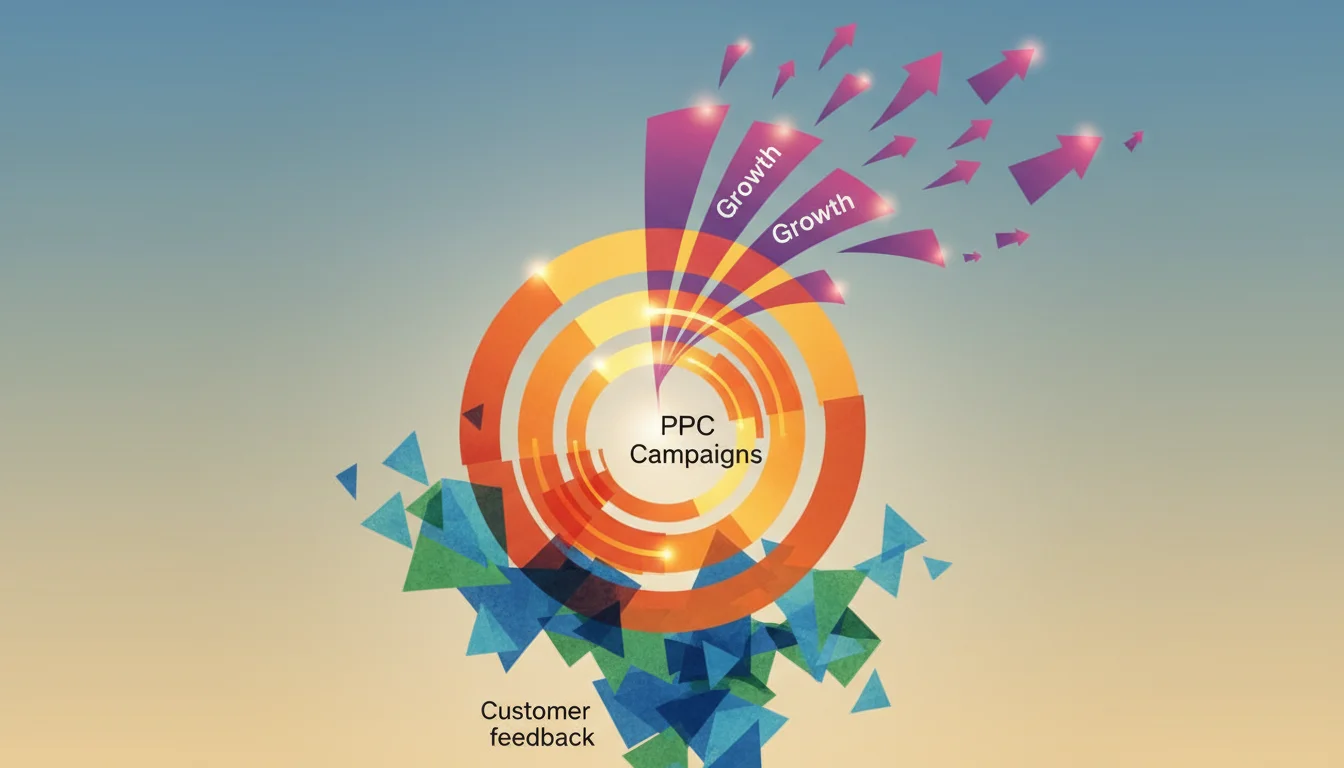
Harnessing customer feedback effectively transforms a reactive PPC campaign into a proactive growth engine. Understanding what your audience truly thinks, feels, and needs provides an undeniable edge, moving beyond mere keyword bids to genuine connection. This isn’t just about tweaking ad copy; it’s about fundamentally reshaping your entire PPC strategy. So, how do you systematically integrate these invaluable user insights to drive superior campaign performance?
Key Takeaways
- Implement always-on feedback mechanisms like post-purchase surveys and website polls to capture continuous user insights.
- Analyze qualitative feedback for recurring themes and pain points, using tools like MonkeyLearn or Thematic to quantify sentiment.
- Translate identified customer language directly into ad copy and landing page messaging for improved relevance and click-through rates.
- Use negative feedback to refine targeting parameters and exclude irrelevant audiences, reducing wasted ad spend.
- A/B test ad variations based on customer feedback, focusing on specific value propositions or concerns voiced by your audience.
1. Establish Continuous Feedback Channels
The first step is creating reliable conduits for feedback. Don’t wait for a quarterly review; make it an ongoing process. You need a mix of direct and indirect methods to capture both explicit statements and behavioral cues. For direct feedback, I always recommend a simple, non-intrusive post-conversion survey. Tools like SurveyMonkey or Typeform integrate seamlessly into most e-commerce platforms or CRM systems. Ask open-ended questions like “What almost stopped you from completing your purchase?” or “What was the primary reason you chose us today?” These qualitative gems reveal objections and motivations that analytics alone can’t. For instance, a client selling specialized software discovered through these surveys that potential customers often worried about the learning curve. This insight directly informed new ad copy highlighting “intuitive interface” and “quick start guides.”
For indirect feedback, observe user behavior on your site. Heat mapping tools like Hotjar provide visual data on where users click, scroll, and hesitate. Session recordings can be particularly illuminating, showing exactly where users get stuck or confused. You might think your checkout process is flawless, but watching real users struggle to find the “apply discount code” box tells a different story. This kind of observation is feedback in its purest form, even if unspoken.
2. Centralize and Categorize Feedback Data
Once you’re collecting feedback, it needs structure. Raw data is just noise. Consolidate all feedback into a centralized repository. This could be a simple spreadsheet for smaller operations, or a dedicated customer feedback management platform like Delighted or Feedier for larger volumes. The goal here is to make it searchable and sortable. Tag feedback by theme: “pricing concern,” “shipping speed,” “product feature request,” “ad confusing.”
I find it helpful to assign sentiment scores too. Was the feedback positive, negative, or neutral? While manual tagging works, AI-powered text analytics tools are increasingly powerful. Platforms like MonkeyLearn or Thematic can automatically categorize and analyze sentiment from large volumes of text, identifying recurring patterns and emerging issues. This quantification allows you to see, for example, that 30% of recent negative feedback mentions “unclear pricing,” giving you a clear priority for your PPC messaging.
3. Translate Feedback into Keyword and Ad Copy Strategy
This is where the magic happens for your PPC strategy. Customer feedback provides the exact language your audience uses, which is gold for keyword research. If multiple customers mention “durable outdoor gear for extreme weather” in their feedback, those phrases become strong candidates for exact match or phrase match keywords. Don’t rely solely on Google’s Keyword Planner; your customers are telling you directly what they search for.
For ad copy, feedback is even more potent. If customers consistently praise your “fast, free shipping,” make that a prominent ad headline. If they express concern about “product longevity,” address it head-on with copy like “Built to Last: 5-Year Warranty Included.” I once worked with an online vitamin retailer whose feedback repeatedly mentioned “difficulty swallowing large pills.” We tested ad copy variations that highlighted “easy-to-swallow capsules” and saw a 15% increase in click-through rates for those ads. It’s about speaking their language and alleviating their specific concerns before they even click.
Think about your ad extensions too. Structured snippets, callouts, and sitelinks can all be informed by common questions or positive attributes found in feedback. If customers frequently ask about your return policy, a sitelink directly to “Hassle-Free Returns” is a no-brainer.
4. Refine Targeting and Negative Keywords
Feedback isn’t just about what to say; it’s about who to say it to, and who not to say it to. Negative feedback, in particular, is invaluable for refining your targeting. If customers complain about product features they expected but weren’t present, these expectations can inform negative keywords. For example, if you sell a basic version of a software and users consistently complain it lacks an “advanced reporting module,” add “advanced reporting” as a negative keyword to avoid showing your ad to users seeking that specific feature. This saves ad spend and prevents negative user experiences.
Audience insights from feedback can also help segment your campaigns. If feedback reveals that a specific demographic (e.g., small business owners versus enterprise clients) has distinct needs or pain points, you can create separate campaigns with tailored messaging and bids for each segment. Google Ads and Meta Ads offer robust audience targeting options based on demographics, interests, and behaviors. Use your feedback to inform which segments are most receptive to which messages.
5. Optimize Landing Pages with User Insights
An amazing ad means nothing if the landing page doesn’t deliver. Customer feedback is critical for landing page optimization. If users consistently mention confusion about pricing tiers in their feedback, your landing page should feature clear, comparative pricing tables. If they ask about security, prominently display trust badges and security certifications. Google Ads documentation repeatedly stresses the importance of ad relevance to landing page experience for Quality Score. Feedback bridges that gap.
Consider a client in the financial services sector. Their PPC ads drove traffic for “low-interest personal loans.” However, feedback indicated that many visitors were actually looking for “debt consolidation loans,” a slightly different product. Their landing page initially focused broadly on personal loans. By adding a prominent section specifically addressing debt consolidation and its benefits (as described by their customers), they saw a 20% increase in conversion rates for that specific ad group. The lesson is clear: your landing page must directly address the specific intent and questions revealed by your customer feedback.
6. A/B Test Based on Feedback Hypotheses
Feedback provides hypotheses; A/B testing provides the validation. Don’t just implement changes based on anecdotal evidence. Formulate specific tests. If feedback indicates customers are looking for a “free trial,” create an ad variation and a landing page variation that prominently features a free trial offer. Then, run an A/B test against your control. Tools within Google Ads and Meta Business Manager allow for easy ad copy and creative testing.
For landing pages, Google Optimize (though scheduled for deprecation, similar functionality will be integrated into Google Analytics 4) or VWO allow you to test different headlines, calls to action, image choices, and even entire page layouts. The key is to isolate variables. If feedback suggests customers are confused by complex jargon, test a version of your ad copy or landing page that uses simpler, more direct language. Measure the impact on click-through rates, conversion rates, and even post-conversion survey responses. This closed-loop system is the most powerful aspect of integrating feedback into PPC.
Truly integrating customer feedback into your PPC strategy moves you beyond guesswork. It enables you to speak directly to your audience’s desires and concerns, fostering trust and driving measurable improvements in campaign performance. This isn’t just about better ads; it’s about building stronger relationships with the people who matter most.
How often should I review customer feedback for PPC insights?
For high-volume campaigns, a weekly review of new feedback is ideal to catch emerging trends or issues quickly. For smaller operations, a bi-weekly or monthly review can suffice, but ensure the process is consistent and documented.
What specific tools are best for collecting qualitative feedback?
For surveys, SurveyMonkey and Typeform are excellent choices due to their ease of use and integration capabilities. For on-site behavioral feedback, Hotjar offers heatmaps and session recordings that reveal user struggles without direct questioning.
Can customer service interactions also inform PPC strategy?
Absolutely. Customer service logs, chat transcripts, and email inquiries are rich sources of direct customer feedback. Common questions or complaints fielded by your support team often highlight areas of confusion or unmet expectations that can be addressed in your ad copy or landing page content.
How do I prioritize which feedback to act on first?
Prioritize feedback that is frequently repeated, indicates a major pain point, or directly relates to conversion blockers. Quantify feedback themes using tools like MonkeyLearn to identify the most impactful areas. Focus on changes that can be tested and measured quickly.
Is it possible to use negative feedback constructively?
Negative feedback is incredibly valuable. It helps you identify what your product or service is not for, allowing you to refine your audience targeting and negative keyword lists. This prevents wasted ad spend on users who are unlikely to convert and improves the overall user experience by setting accurate expectations.


