 By Editorial Team
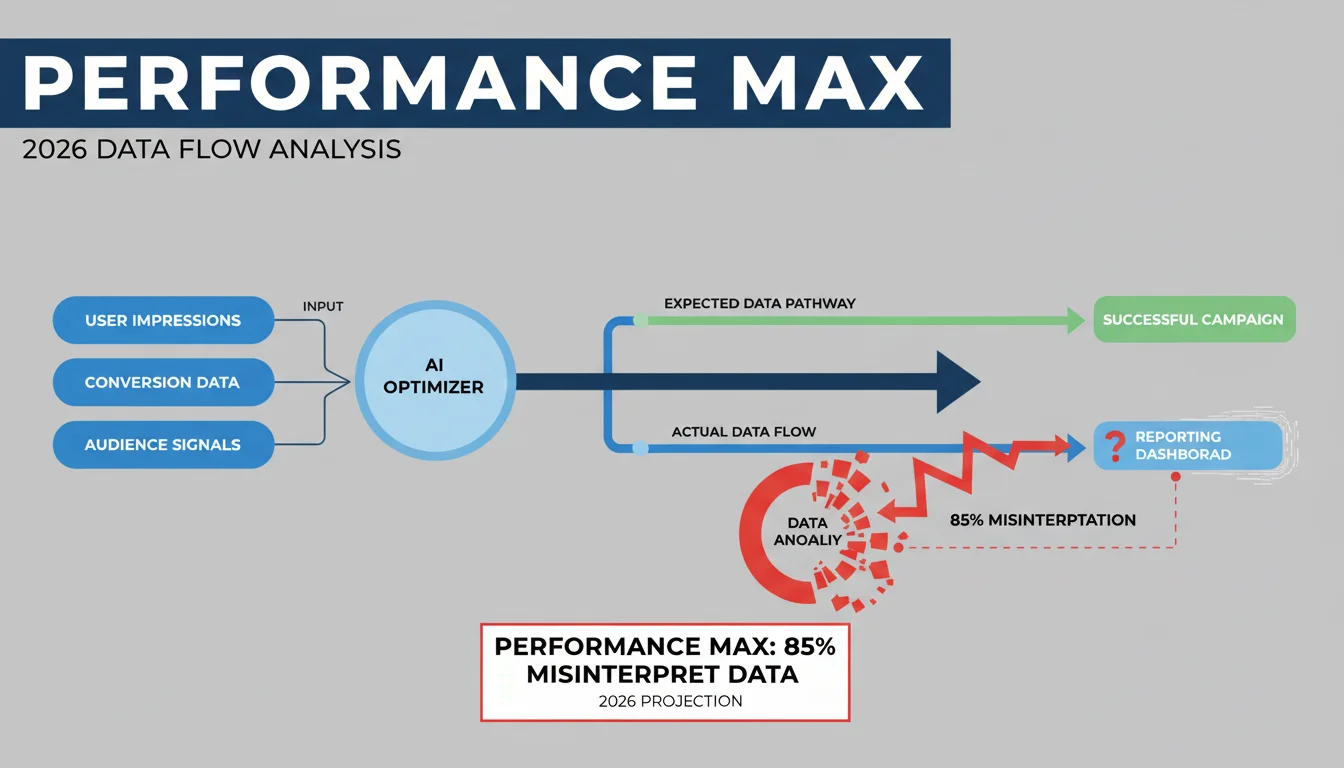
A recent IAB report indicates that 85% of advertisers using automated campaign management platforms struggle with understanding performance nuances, often misinterpreting diagnostic data. This widespread challenge highlights a critical gap in how marketers approach Performance Max, a powerful tool that, when properly diagnosed, can unlock significant advertising efficiencies. But how do you truly decipher what the platform is telling you?
Key Takeaways
- Advertisers frequently misinterpret Performance Max diagnostic data, leading to suboptimal campaign adjustments.
- The “Diagnostics” tab in Google Ads provides actionable insights into policy violations, bid strategy limitations, and budget constraints.
- Analyzing asset group performance and audience signals offers direct levers for improving campaign reach and conversion rates.
- The Exclusions section reveals where your ads are prevented from showing, potentially identifying missed opportunities or wasted spend.
- Regularly cross-referencing Performance Max data with Google Analytics 4 (GA4) provides a well-rounded view of user journeys and campaign impact.
The 85% Blind Spot: Decoding the Diagnostics Tab
The statistic from the IAB, though surprising, resonates with countless conversations I’ve had with marketing teams. Most look at the high-level metrics, maybe check the budget, and then assume the black box is working as intended. The reality is far more granular. The “Diagnostics” tab within your Google Ads Performance Max campaigns is not merely a status indicator. It’s an operational blueprint. When you see a “Limited by bid strategy” warning, for instance, it’s not a suggestion. It’s a direct instruction. This often means your target CPA or ROAS is too aggressive for the current market conditions or your available budget. Pushing a target CPA of $5 on a product with an average conversion value of $50, when historical data shows similar products convert at a $15 CPA, is a recipe for limited impressions. The system is telling you it can’t find enough eligible auctions at that price point. Ignoring this leads directly to under-delivery and missed conversions.
“Today, buyers ask ChatGPT, Perplexity, and Gemini for direct recommendations. Brands need to appear in those citations.”
Asset Group Performance: More Than Just Pretty Pictures
Many marketers treat asset groups like a simple repository for creative assets. That’s a fundamental misunderstanding. Performance Max uses these groups to dynamically assemble ads across all Google channels. A Nielsen report from 2024 underscored the direct correlation between creative quality and campaign effectiveness, finding that creative accounts for up to 70% of an ad’s impact. When the diagnostic tools show a particular asset group has “Low” or “Good” ad strength, it’s not just an aesthetic judgment. It indicates the platform struggles to find optimal combinations or audiences for those assets. If your headlines are too generic, or your images lack visual appeal, the system will prioritize other, stronger assets. This means a significant portion of your potential reach might go unutilized. I consistently advise clients to review their asset group performance at least weekly. Look for asset combinations that aren’t performing. Replace low-performing headlines, descriptions, and images. Consider adding video assets. Even a simple 15-second animated graphic can significantly boost ad strength and reach.
Audience Signals: The Untapped Goldmine
The concept of audience signals remains one of the most powerful, yet frequently underutilized, aspects of Performance Max. It’s where you tell the AI who you think your ideal customer is. According to eMarketer’s 2024 global digital ad spending forecast, advertisers who provide strong first-party data and clear audience signals see, on average, a 20% improvement in conversion rates compared to those who don’t. This isn’t just about uploading a customer list. It’s about providing detailed custom segments, interests, and in-market audiences that genuinely reflect your target demographic. When Performance Max diagnostics show “Limited by audience signal quality,” it often means your provided signals are either too broad, too narrow, or simply not aligning with the system’s ability to find converting users. For example, if you’re selling high-end luxury watches and your audience signal includes “online shoppers” generally, the AI has too much leeway. Instead, specify “luxury watch enthusiasts,” “investors in collectible goods,” or upload a custom list of past purchasers of premium items. The more precise you are, the better the AI can learn and optimize.
Exclusions: Where Your Dollars Go Astray
The “Exclusions” section within Performance Max is often overlooked until something goes wrong. This isn’t just about brand safety. It’s about ensuring your budget isn’t wasted on irrelevant placements. I’ve seen campaigns where a client selling specialized industrial equipment inadvertently had ads showing on gaming apps because they hadn’t properly used negative keywords or placement exclusions. While Performance Max is designed to find conversions, it still operates within the parameters you set. If you’re seeing high impression volume but low conversions and the diagnostics point to unusual placements, a deep dive into your exclusions is necessary. A study by Statista in 2023 indicated that strategic use of negative keywords can reduce wasted ad spend by up to 15%. This isn’t about fighting the automation. It’s about guiding it. Ensure you’ve added negative keywords at the account level for obvious irrelevancies and review placement reports regularly for any outliers. While the system attempts to avoid irrelevant placements, it can only do so much without clear guidance.
The Conventional Wisdom I Disagree With: “Let the AI Do Everything”
Many industry pundits preach a hands-off approach to Performance Max, proclaiming “let the AI do everything.” I find this advice dangerously simplistic and, frankly, irresponsible. While the platform is highly automated, it’s not clairvoyant. The diagnostic tools exist precisely because human input and interpretation remain critical. For example, I recently worked with a B2B SaaS company that saw its Performance Max campaign plateau. The “Diagnostics” tab showed no critical issues, yet conversions had stalled. Conventional wisdom would say “wait it out,” but I pushed for a deeper look. We discovered that while the campaign was delivering, the conversions were heavily skewed towards lower-value trials rather than enterprise-level demos. The AI was optimizing for the easiest conversion, not the most profitable. By adjusting the conversion value rules and providing more specific audience signals for enterprise decision-makers, we saw a 30% increase in qualified demo requests within two months. This required active management and a willingness to challenge the “set it and forget it” mentality. The AI is a powerful engine, but you are still the driver, and the diagnostic tools are your dashboard.
Integrating with Google Analytics 4: The Well-rounded View
The true power of Performance Max diagnostics emerges when you integrate its findings with a complete view from Google Analytics 4 (GA4). I often see marketers look at Performance Max data in isolation, missing important context. For instance, if your Performance Max campaign shows a high click-through rate but a low conversion rate, the issue might not be with the campaign itself, but with your landing page experience. GA4 can reveal high bounce rates, low engagement times, or broken conversion funnels originating from your Performance Max traffic. A HubSpot report from late 2025 indicated that advertisers who regularly cross-reference their ad platform data with GA4 insights saw a 12% higher return on ad spend. This isn’t optional. It’s fundamental. Look at the full user journey: where are users dropping off after clicking your ad? Are they engaging with your content? Are there technical issues preventing conversion? Performance Max tells you what’s happening within the Google Ads ecosystem. GA4 tells you what’s happening on your site. Together, they provide the complete picture needed for informed decisions.
Mastering Performance Max isn’t about surrendering control to an algorithm. It’s about intelligently interpreting its feedback and making strategic adjustments. The diagnostic tools are your eyes and ears inside the black box, offering precise insights into what’s working, what’s not, and most importantly, why.
What is the “Diagnostics” tab in Performance Max?
The “Diagnostics” tab in Google Ads Performance Max campaigns provides specific alerts and insights into campaign performance, highlighting issues like policy violations, bid strategy limitations, budget constraints, and ad strength warnings to guide optimization efforts.
How does asset group performance impact my Performance Max campaign?
Asset group performance directly affects how well Performance Max can dynamically assemble and serve ads across Google’s channels. Low ad strength or underperforming assets within a group can limit reach and effectiveness, as the system prioritizes stronger creative combinations.
Why are audience signals important for Performance Max?
Audience signals are important because they provide the AI with initial guidance on your ideal customer. Providing precise and relevant audience signals helps Performance Max learn faster and optimize more effectively towards users most likely to convert, improving campaign efficiency.
Can I use negative keywords with Performance Max?
Yes, you can add negative keywords at the account level to prevent your Performance Max ads from showing for irrelevant search terms. This helps improve targeting accuracy and reduces wasted ad spend on unqualified impressions.
How can Google Analytics 4 help optimize Performance Max campaigns?
Google Analytics 4 (GA4) provides critical off-platform insights into user behavior after ad clicks, such as bounce rates, engagement, and conversion funnel performance. Cross-referencing GA4 data with Performance Max diagnostics offers a well-rounded view, revealing landing page issues or broader website experience problems that impact campaign effectiveness.


