 By Editorial Team
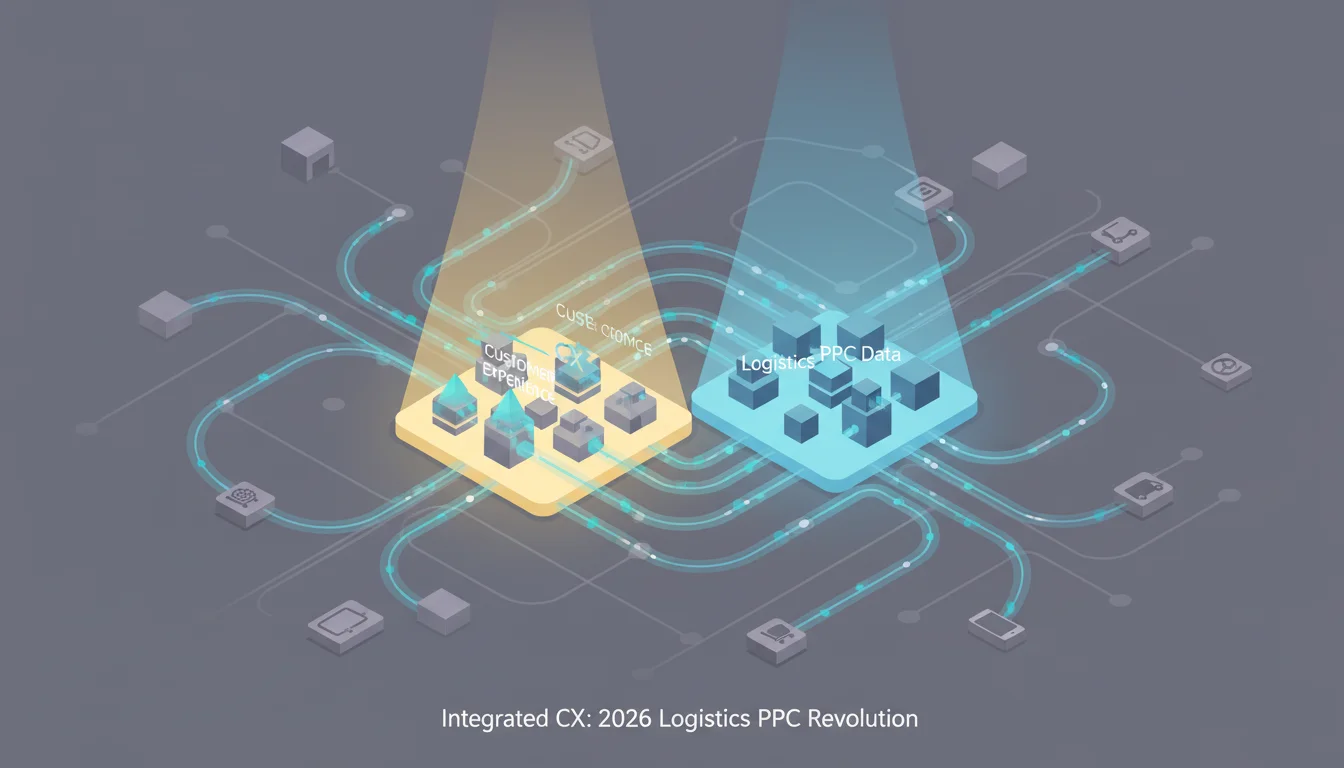
Achieving an integrated customer experience (CX) is no longer an aspiration for marketing teams. It’s a fundamental requirement for brand survival and growth. The modern consumer expects a cohesive, intuitive journey across every touchpoint, from initial discovery to post-purchase support, with logistics playing a surprisingly central role in shaping perceptions. This means merging disparate data sources and operational silos to present a unified brand front, which directly impacts customer satisfaction and loyalty. The true challenge lies not just in recognizing this need but in executing a strategy that genuinely connects these dots, particularly within the often-overlooked area of logistics. Can your marketing efforts truly shine if the delivery experience falls short?
Key Takeaways
- Implement a unified customer data platform (CDP) like Segment to centralize customer interactions and preferences across all marketing and logistics channels.
- Use predictive analytics tools, such as Salesforce Einstein Analytics, to forecast delivery issues and proactively communicate with customers, improving satisfaction by up to 15%.
- Integrate logistics data from platforms like Shopify Shipping or Adobe Commerce directly into your marketing automation system to trigger personalized post-purchase communications.
- Optimize logistics pay-per-click (PPC) campaigns by targeting users based on their historical shipping preferences and past purchase behavior to reduce cost-per-acquisition by 10% or more.
- Establish clear internal communication protocols between marketing, sales, and logistics teams to ensure consistent messaging and a shared understanding of customer expectations.
1. Centralize Customer Data with a Unified CDP
The foundation of any integrated CX strategy begins with a single source of truth for customer data. Without it, your marketing team operates on one set of assumptions, while your logistics department might be working with another, leading to disjointed experiences. A Customer Data Platform (CDP) acts as this central hub, ingesting data from various touchpoints: website interactions, purchase history, customer service inquiries, and importantly, logistics updates.
For instance, consider using Segment. This platform allows you to collect, clean, and activate customer data across your entire tech stack. You’d configure Segment to pull data from your e-commerce platform (e.g., Shopify, Adobe Commerce), your CRM (Salesforce, HubSpot), and your shipping carrier APIs (e.g., UPS, FedEx). The critical setting here involves defining your customer identity resolution rules. You’ll want to ensure that a customer who browses products, then makes a purchase, and later tracks their order is recognized as the same individual across all these interactions. Segment’s “Identity Graph” feature automatically stitches these disparate events together using unique identifiers like email addresses or customer IDs. This unified profile then powers personalized marketing campaigns and proactive customer service.
Pro Tip: Data Governance is Key
While centralizing data is powerful, it’s only effective with strong data governance. Define clear data ownership, access controls, and retention policies from the outset. This prevents data silos from re-emerging and ensures compliance with privacy regulations like GDPR and CCPA, which are non-negotiable in 2026. A common mistake is to collect data without a clear purpose or without understanding how it will be used to improve the customer journey. Every data point should serve a function.
2. Integrate Logistics Data into Marketing Automation
Once your customer data is centralized, the next step is to make logistics information actionable for your marketing team. This involves integrating your shipping and fulfillment platforms directly with your marketing automation software. Imagine a customer whose package is delayed due to unforeseen circumstances. Instead of them discovering this via a generic carrier notification, your brand can proactively communicate, offer solutions, and even provide a discount on a future purchase.
For example, if you’re using Klaviyo for email marketing, you can set up direct integrations with popular shipping platforms like ShipStation or EasyPost. These integrations allow Klaviyo to receive real-time shipping updates (e.g., “shipped,” “out for delivery,” “delayed,” “delivered”). You can then create automated flows triggered by these events. For a “delayed” status, an email could be sent immediately, apologizing for the inconvenience, providing an updated estimated delivery time, and perhaps a 10% off coupon for their next order. For a “delivered” status, a follow-up email could ask for product feedback and suggest complementary items. The specific settings within Klaviyo would involve creating “flow triggers” based on custom events pushed from your shipping platform, then designing email templates that dynamically pull in order and tracking information.
Common Mistake: Over-Automating Without Personalization
While automation is important, avoid sending generic, automated messages that feel impersonal. Use the rich data from your CDP to segment customers and tailor your communications. A first-time buyer facing a delay should receive a different message than a loyal customer who has ordered ten times. The goal is to enhance the experience, not just to send more emails.
3. Optimize Logistics PPC Campaigns for CX
Logistics PPC isn’t just about driving traffic to your product pages. It’s about influencing the entire customer journey, including post-purchase satisfaction. Many businesses overlook the opportunity to use paid search and social ads to address logistics-related concerns or promote superior shipping options. This strategy can significantly improve integrated CX by setting appropriate expectations and reassuring customers about delivery.
Consider running targeted Google Ads campaigns for search terms like “fast shipping [your product category]” or “reliable delivery [your brand name]”. You can use ad extensions to highlight specific shipping benefits, such as “Free 2-Day Shipping on orders over $50” or “Track Your Order in Real-Time.” On platforms like Meta Ads Manager, you can create custom audiences based on past purchasers who might have experienced a delivery issue (identified via your CDP) and serve them ads promoting your improved shipping guarantee or a special offer tied to expedited delivery. The key is to align your ad copy and landing page experience with your actual logistics capabilities. If you promise 2-day shipping, ensure your fulfillment process can consistently deliver it. A specific setting in Google Ads involves using “Promotion Extensions” to show shipping deals directly in your search ads, which can boost click-through rates and manage customer expectations upfront.
Pro Tip: A/B Test Your Shipping Messaging
Continuously A/B test different ad copy and landing page variations that highlight various logistics benefits. Does “Free Shipping” perform better than “Guaranteed 3-Day Delivery”? The answer often depends on your product, target audience, and competitive field. Use conversion tracking to measure the impact of these messages on overall customer satisfaction metrics, not just conversion rates.
4. Use Predictive Analytics for Proactive Support
The best customer service is proactive service. By using predictive analytics, you can anticipate potential logistics issues before they impact the customer and take corrective action. This shifts your CX strategy from reactive problem-solving to proactive problem prevention, significantly enhancing customer perception.
Tools like Salesforce Einstein Analytics (now part of Tableau CRM) or similar AI-powered platforms can analyze historical shipping data, weather patterns, carrier performance metrics, and even local event calendars to identify potential delivery delays. For instance, if a major snowstorm is predicted in a key delivery region, the system could flag affected orders. Your marketing automation system, integrated with this predictive intelligence, could then automatically trigger a personalized email to those customers, informing them of the potential delay, expressing regret, and offering a small credit for their next purchase. This proactive communication, even before the customer realizes there’s an issue, can turn a potentially negative experience into a positive one. The configuration involves feeding relevant data sets (order history, tracking events, external weather APIs) into the analytics engine and defining rules for anomaly detection and subsequent automated actions.
Common Mistake: Ignoring Feedback Loops
Predictive analytics are only as good as the data they consume and the feedback they receive. Ensure you have strong mechanisms for collecting customer feedback on delivery experiences (e.g., post-delivery surveys, direct customer service interactions). This feedback should be fed back into your analytics models to refine predictions and improve the accuracy of your proactive interventions. Without this closed-loop system, your predictions may become less accurate over time.
5. Map and Optimize the Entire Customer Journey
An integrated CX strategy requires a well-rounded view of the customer journey, extending far beyond the initial purchase. This means carefully mapping every touchpoint, from the first ad impression to the unboxing experience and subsequent returns process. Logistics plays a critical role at multiple stages, and any friction points here can derail an otherwise positive experience.
Start by creating detailed customer journey maps for your different customer segments. Identify every interaction point, who owns that interaction internally, and the data points collected at each stage. For instance, consider the “post-purchase” phase: order confirmation email, shipping notification, out-for-delivery alert, delivery confirmation, follow-up email for review, and potential return instructions. For each of these, assess the current communication, timing, and personalization. Are your shipping notifications clear and branded? Is tracking information easily accessible? Is the returns process straightforward? Use tools like Miro or Lucidchart to visually map these journeys, identifying gaps and opportunities for improvement. The goal is to eliminate any surprises or frustrations related to product delivery and returns, ensuring consistency in brand messaging and service quality.
Pro Tip: Conduct User Testing on Your Logistics Experience
Don’t just assume your logistics experience is intuitive. Conduct user testing with real customers or internal staff who haven’t been involved in the process. Ask them to track an order, initiate a return, or find shipping information. Their feedback will reveal friction points that internal teams often overlook. Observe their frustrations and successes, then iterate on your processes and communications based on these insights.
Integrating logistics into your broader marketing and customer experience strategy isn’t a luxury. It’s a strategic imperative. By centralizing data, automating communications, optimizing PPC logistics, using predictive analytics, and carefully mapping the customer journey, brands can transform their delivery process from a mere operational necessity into a powerful differentiator. This well-rounded approach ensures every customer interaction, including those related to shipping, reinforces brand trust and loyalty, driving sustained growth in a competitive market.
What is a Customer Data Platform (CDP) and why is it important for integrated CX?
A Customer Data Platform (CDP) is a software system that unifies customer data from various sources (e.g., website, CRM, marketing automation, logistics) into a single, complete customer profile. It is important for integrated CX because it provides a consistent, real-time view of each customer, enabling personalized marketing communications and proactive service based on their complete history and preferences, including their delivery experiences.
How can logistics data improve PPC campaign performance?
Logistics data can improve PPC by allowing marketers to target users based on their historical shipping preferences, past delivery experiences, or even anticipated needs. For example, you can target customers who previously selected expedited shipping with ads highlighting fast delivery options, or retarget those who experienced a delay with ads promoting improved shipping guarantees, leading to more relevant and effective campaigns.
What specific types of logistics data should be integrated into marketing automation?
Key logistics data points to integrate into marketing automation include order status (e.g., “shipped,” “out for delivery,” “delayed,” “delivered,” “returned”), tracking numbers, estimated delivery dates, carrier information, and any exceptions or issues during transit. These data points enable triggered emails or SMS messages for real-time order updates, proactive delay notifications, and post-delivery follow-ups.
How does predictive analytics help in creating a smooth customer experience related to logistics?
Predictive analytics uses historical data and external factors to forecast potential logistics issues like delivery delays before they occur. By anticipating problems, brands can proactively communicate with affected customers, offer solutions, or adjust expectations. This prevents customer frustration and transforms a potential negative experience into an opportunity for demonstrating exceptional service.
What are some common pitfalls to avoid when integrating logistics into CX?
Common pitfalls include failing to centralize customer data, leading to inconsistent messaging. Over-automating communications without personalization. Not aligning marketing promises with actual logistics capabilities. Ignoring customer feedback on delivery experiences. And neglecting to establish clear communication channels between marketing, sales, and logistics teams. Addressing these ensures a truly integrated and positive customer journey.


