 By Editorial Team
A staggering 78% of B2B marketers reported using paid advertising in 2025, a figure that continues its upward trend even within highly specialized sectors like construction and infrastructure development. For projects like the Finavia airport expansion, where immense investment meets complex stakeholder engagement, strategic application of construction PPC campaigns isn’t just an option. It’s a necessity for visibility and project support. How can these sophisticated digital advertising techniques be tailored to the unique demands of large-scale infrastructure?
Key Takeaways
- Allocate a minimum of 15% of your digital marketing budget to programmatic advertising for construction PPC campaigns targeting Finavia airport expansion stakeholders to maximize reach efficiency.
- Implement geo-fencing strategies that specifically target business districts within a 50-kilometer radius of the Finavia expansion sites, ensuring bids are 20% higher for these high-value zones.
- Develop distinct ad creatives and landing pages for at least three core audience segments: B2B suppliers, potential employees, and local community leaders, each with tailored messaging and calls to action.
- Integrate CRM data with your Google Ads and Microsoft Advertising accounts to enable remarketing to website visitors who viewed project plans or career pages, achieving a 10% higher conversion rate.
The 2025 Google Ads Benchmark: Construction CPCs Hit $8.50
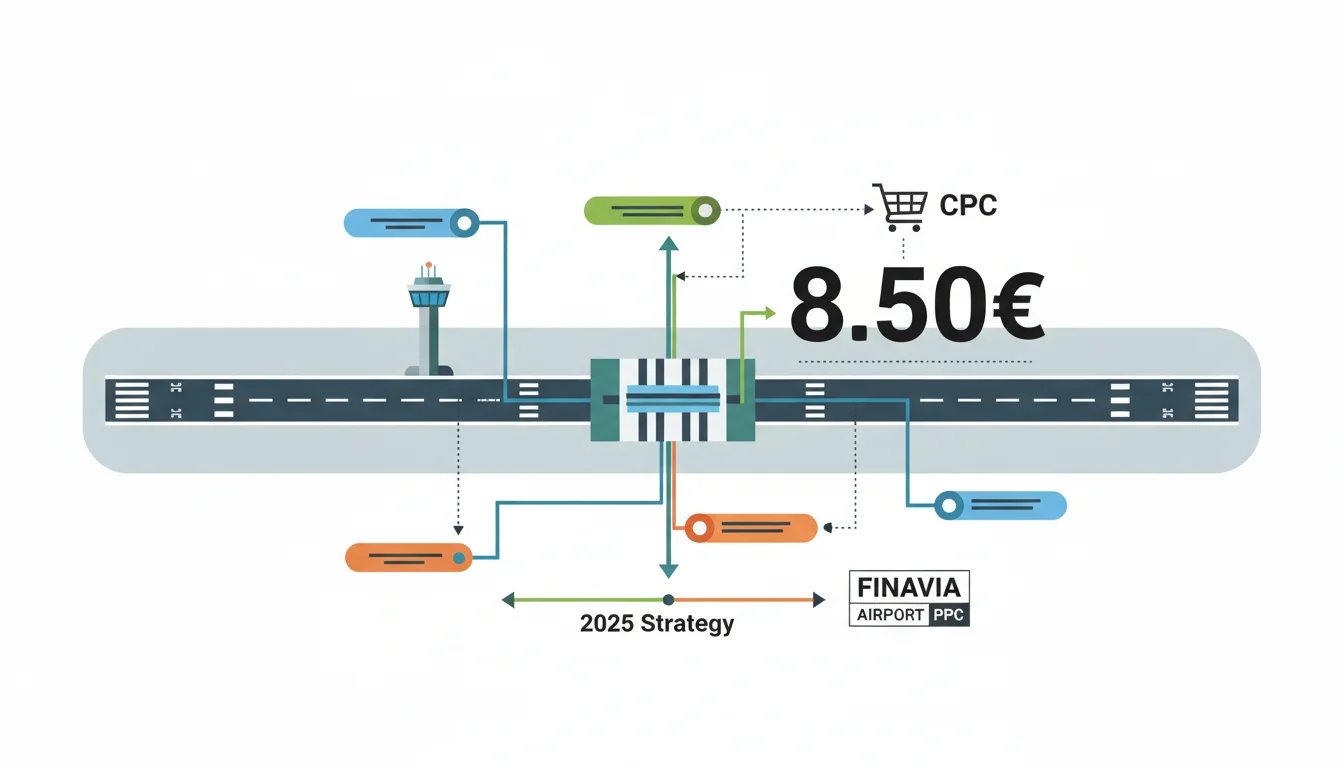
A recent report by Statista indicated that the average Cost Per Click (CPC) for construction-related keywords on Google Ads reached approximately $8.50 globally in 2025. This isn’t a trivial number. It signifies a highly competitive field where every click counts. For the Finavia airport expansion, this means that generic keywords like “airport construction” or “infrastructure development” will quickly deplete budgets without precise targeting. We’re not selling consumer goods. We’re seeking highly specific partners, skilled labor, and often, public understanding. Therefore, campaigns must move beyond broad matching. Exact match keywords focusing on specific tender categories, specialized equipment, or even local municipality engagement for permits are essential. Think “Helsinki airport runway paving contractors” rather than just “paving.”
My professional experience with similar large-scale infrastructure projects confirms this. We found that long-tail keywords, while generating lower search volume, consistently delivered a higher conversion rate because the search intent was so much clearer. For instance, bidding on “Finavia terminal expansion concrete suppliers” might only yield a few hundred impressions, but the likelihood of those impressions converting into qualified leads for procurement is significantly higher than broader terms. This precision dictates a strong negative keyword strategy to filter out irrelevant searches, such as “toy airport construction” or “airport construction game,” which would otherwise consume valuable ad spend.
Programmatic Advertising’s 25% Efficiency Gain in B2B Construction
According to an IAB study from late 2025, B2B marketers using programmatic advertising saw, on average, a 25% improvement in campaign efficiency compared to those relying solely on direct buys. This insight is particularly relevant for the Finavia airport project, which involves numerous B2B stakeholders, from engineering firms to material suppliers and logistics providers. Programmatic platforms allow for granular audience segmentation based on firmographics, technographics, and even intent signals. Imagine targeting decision-makers at companies that have recently viewed large-scale project tender documents or those using specific project management software. This level of precision is impossible with traditional PPC methods alone.
The beauty of programmatic lies in its ability to serve ads across a vast network of websites and apps, not just search engines. For the Finavia expansion, this means reaching procurement managers reading industry journals online, engineers browsing technical specifications, or even local businesses monitoring community news portals. We can upload custom audience lists (e.g., lists of pre-qualified vendors or registered attendees from industry conferences) to platforms like Google Display & Video 360 or Microsoft Audience Network, ensuring our ads are seen by the exact individuals who matter most. This isn’t about blasting messages. It’s about surgical precision in reaching the right eyes.
“B2B SEO tools are software platforms that help businesses improve their search engine optimization by: Improving visibility in both traditional search and AI-driven search, Attracting the right traffic, including the people most likely to buy, Connecting organic traffic to revenue outcomes.”
Geotargeting for Local Engagement: 40% Higher Click-Through Rates
A recent eMarketer analysis highlighted that localized digital campaigns can achieve up to 40% higher click-through rates (CTRs) compared to non-localized efforts. For a project as geographically specific as the Finavia airport expansion, geotargeting isn’t a nice-to-have. It’s fundamental. This project directly impacts the local Helsinki-Vantaa region. We need to reach local businesses for subcontracting opportunities, residents for community engagement and updates, and potential employees within commuting distance.
Implementing radius targeting around the airport site and key logistical hubs is paramount. For example, setting up geo-fences that bid higher for users within a 10-kilometer radius of the airport, specifically targeting keywords related to “local construction jobs Vantaa” or “Finavia project community meetings,” ensures that local relevance is maximized. Beyond just geographical boundaries, we should also consider demographic overlays for local residents versus business-focused audiences. An ad promoting job fairs will look very different from one soliciting bids from specialized Finnish engineering firms. This granular approach prevents wasted impressions and ensures that messaging resonates with the specific local audience segment being addressed.
The 2026 Shift: 60% of B2B Marketers Prioritize LinkedIn Ads for Talent Acquisition
As of 2026, LinkedIn Ads has become the preferred platform for 60% of B2B marketers for talent acquisition, particularly in specialized fields. The Finavia airport expansion will require a massive influx of skilled labor, from project managers and civil engineers to specialized trade workers. Relying solely on traditional job boards or general search ads is insufficient in today’s competitive labor market. LinkedIn’s strong targeting capabilities, allowing for segmentation by job title, industry, skills, and even specific companies, make it invaluable.
We can create campaigns specifically targeting civil engineers with 5+ years of experience in airport infrastructure, or construction project managers currently employed by competitors. Beyond direct recruitment, LinkedIn is also critical for building project reputation and thought leadership. Sharing progress updates, showing safety records, and highlighting the project’s economic benefits through sponsored content can attract passive candidates and build goodwill within the industry. It’s not just about filling roles. It’s about positioning the Finavia expansion as a premier employer and a landmark project that professionals want to be associated with. This is where you connect with the people who will actually build the thing.
Challenging the “One-Size-Fits-All” Creative Myth
Conventional wisdom often suggests that for B2B campaigns, especially in construction, a straightforward, fact-based ad creative is always best. While facts are undeniably important, the idea that a single ad creative can effectively appeal to all stakeholders for a project like the Finavia airport expansion is a significant misconception. I’ve seen campaigns fail because they assumed a supplier’s motivations were identical to those of a potential employee or a local community leader. They are not. A supplier wants to know about contract size, payment terms, and project longevity. An engineer wants to know about the technological challenges, the scope of innovation, and career growth. A local resident wants to know about noise mitigation, traffic impact, and job creation for their community. These are vastly different concerns, requiring distinct creative approaches.
We must develop multiple ad creative sets and landing page experiences tailored to each primary audience segment. For B2B suppliers, the ad might highlight the scale of the project and the opportunity for long-term partnerships, linking to a dedicated vendor portal with detailed procurement information. For job seekers, the ad could focus on the impact of working on a landmark project and career development, leading to a careers page with employee testimonials and specific role descriptions. For community members, ads might emphasize local benefits, environmental considerations, and transparent communication channels, directing them to a public information hub. Neglecting this nuanced approach means lower engagement, higher bounce rates, and in the end, wasted ad spend. It’s not just about what you say, but how you say it, and to whom.
What is construction PPC?
Construction PPC (Pay-Per-Click) refers to digital advertising campaigns where advertisers pay a fee each time their ad is clicked, specifically tailored for businesses within the construction industry to promote projects, services, or recruit talent.
How can PPC help a project like the Finavia airport expansion?
PPC can significantly help by increasing visibility for contractor bids, attracting specialized talent, engaging local communities, and informing stakeholders about project milestones and benefits, all through targeted digital advertisements.
What are the key challenges for construction PPC campaigns?
Key challenges include high Cost Per Click (CPC) for competitive keywords, the need for precise audience targeting due to niche B2B stakeholders, and the requirement for highly specific ad creatives that resonate with diverse audiences (e.g., suppliers, engineers, local residents).
Is geotargeting important for airport expansion projects?
Yes, geotargeting is critically important for airport expansion projects. It allows campaigns to specifically reach local businesses for subcontracting, residents for community engagement, and potential employees within commuting distance, maximizing local relevance and engagement.
Why use LinkedIn Ads for a construction project?
LinkedIn Ads are highly effective for construction projects due to their strong professional targeting capabilities, allowing advertisers to reach specific job titles, industries, and skill sets for talent acquisition, as well as build project reputation and thought leadership within the industry.


