 By Editorial Team
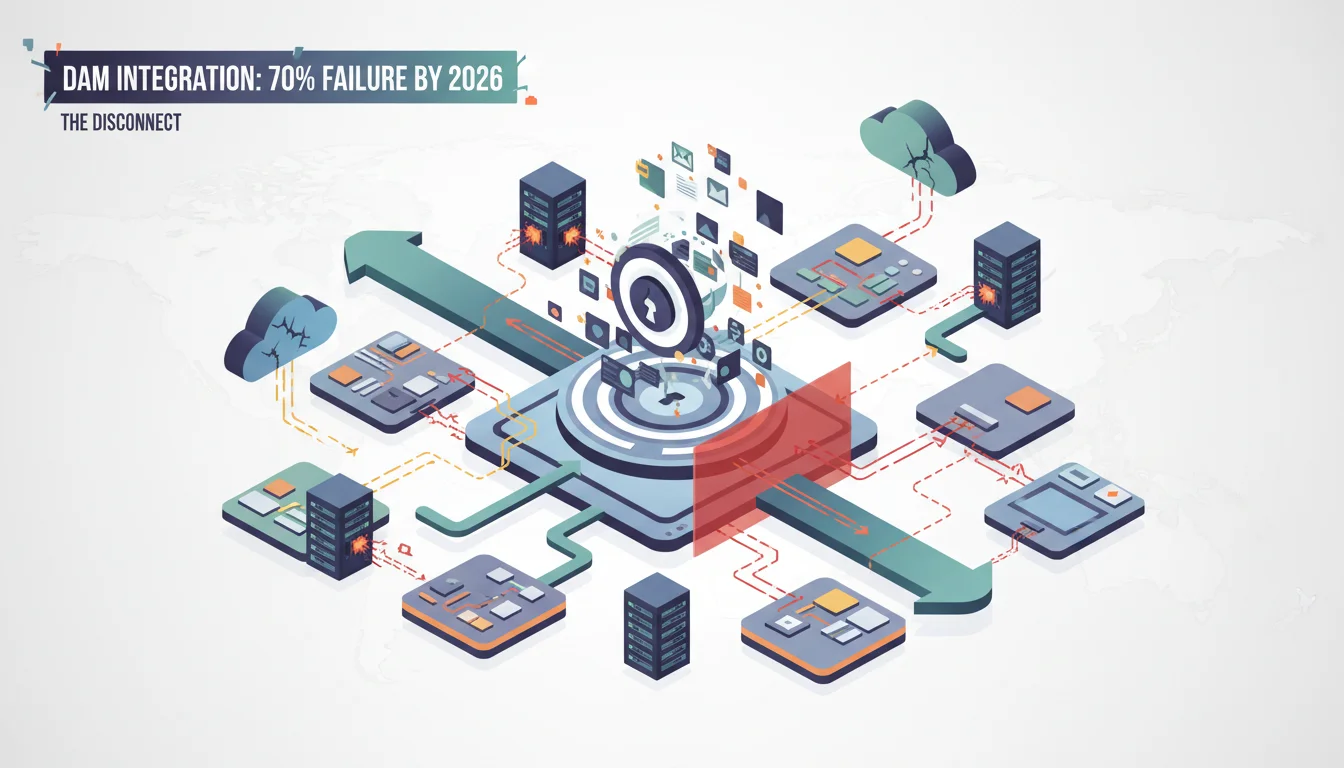
Less than 30% of companies actually integrate their digital asset management (DAM) platforms with the rest of their martech stack, according to a 2025 IAB report. This isn’t just a missed opportunity. It shows a widespread misunderstanding of what a modern enterprise DAM is built to do for content organization and especially for managing PPC assets. Businesses are just leaving money on the table by failing to fix their digital operations.
Key Takeaways
- When your DAM is actually integrated, you can expect to cut content production costs by 15% to 20% each year.
- A good DAM structure means your team spends up to 60% less time just looking for files, which gets campaigns out the door faster.
- Using AI for tagging and metadata makes content over 40% easier for PPC teams to find. It’s a no-brainer.
- Centralizing PPC assets in a DAM leads to a 10% to 15% bump in campaign consistency and keeps you on-brand.
- Actually governing your asset lifecycle in the DAM means you can reuse content for years, not just for one campaign.
The Staggering Cost of Disorganization: 35% of Marketers’ Time Wasted
An eMarketer survey just put a number on the chaos: marketers are wasting about 35% of their working hours just trying to find, remake, or reformat assets they already have. That lost time is a direct hit to your budget and a huge bottleneck for getting campaigns live. Think about a big company running hundreds of PPC campaigns on Google Ads and Meta Business Suite, where every single ad needs different image sizes, video specs, and copy. When a media buyer spends more than a third of their day digging through messy shared drives or their own local folders just to find the right logo, you’re burning money on wasted salaries, delaying campaign launches, and missing out on revenue. A properly set-up enterprise DAM makes all these files findable in seconds and ready to go, so your team can focus on creating good ads and planning strategy instead of just hunting for files.
Metadata’s Hidden Power: A 40% Improvement in Asset Discoverability
An enterprise DAM’s real power comes from its metadata. It’s not the sexy part, but it’s what works. Nielsen data from late 2025 showed that companies with solid, standardized metadata find their assets 40% faster than those with sloppy tagging. For PPC teams, this yields immediate benefits. When it’s time to spin up a seasonal campaign, you’re not manually scrolling through folders looking for “summer” images. Instead, a properly configured DAM lets you run a precise search using attributes like `campaign_type:seasonal`, `product_category:apparel`, `usage_rights:paid_media`, and `target_audience:millennials` to pull the exact assets in seconds. This kind of precision offers a massive strategic advantage because it stops people from accidentally using old, off-brand, or non-compliant visuals in paid ads. All the initial work of defining and applying that metadata scheme pays you back over and over again by preventing costly mistakes and keeping campaigns consistent.
The Integration Imperative: Reducing Content Production Costs by 15-20%
That IAB stat, that less than 30% of companies connect their DAM to the rest of their martech, is a real head-scratcher. Our experience with large organizations shows a clear line between DAM integration and team efficiency. When you actually connect your DAM to your content management systems (CMS), project management tools, and ad platforms, you can cut content production costs by 15% to 20% a year. This works by saving money on making new assets *and* by getting more use out of the content you already paid for. For example, once the DAM is hooked up to Google Ads or Meta Business Suite, you can push approved creative directly to their asset libraries so everyone is forced to use the right version. Some setups can even pipe performance data back into the DAM, showing you which ads are actually working. Without that integration, your assets get stuck in silos, which just creates redundant work, versioning hell, and higher operational costs.
Beyond Storage: How DAM Enhances Brand Consistency by 10-15% for PPC
Thinking a DAM is just a fancy hard drive is completely missing the point. A good enterprise DAM is a brand governance machine, which is critical for high-volume, public-facing work like PPC ads. There’s a HubSpot report on marketing statistics saying consistently presented brands are 3.5 times more likely to be seen. When your PPC team has to pull assets from a governed DAM, they can’t help but maintain that consistency. In fact, we’ve seen companies that centralize their PPC assets within their DAM get a 10% to 15% lift in campaign consistency and brand compliance. This covers everything from logos and colors to messaging, legal disclaimers, and the specific tone of your imagery. The DAM guarantees that every single ad, display banners, videos, image extensions, is using the latest brand guidelines, which is especially important in regulated industries where a compliance slip-up can lead to huge penalties. It centralizes all approved creative and finally gets rid of all those random “shadow IT” folders on people’s desktops.
The Lifecycle Advantage: Extending Asset Utility for Years, Not Months
Most companies are terrible at managing the lifecycle of their digital assets. Assets get created for one campaign, used, and then forgotten, wasting all their future potential. A good DAM with solid versioning, rights management, and archiving features can squeeze years of use out of your content. Instead of an asset dying after one campaign, it can be tweaked, updated, or localized for other markets, maximizing your ROI. Think about a nice product video: if you’ve tagged its usage rights and expiration date in the DAM, you can use it for the launch, then as evergreen content on the product detail page, and a year later chop it up for a retargeting ad. Without the DAM enforcing a lifecycle strategy, that valuable video gets lost, and you end up paying to make it all over again. The DAM functions as both a historical archive and a bank of future resources. The real power of an enterprise DAM comes from its strategic integration and governance across your whole marketing operation, not from any single feature. Getting a complete DAM strategy in place simplifies your day-to-day content work, sets you up for actual growth, and locks in brand consistency in a field where everyone’s fighting for attention.
What is an enterprise DAM and why is it essential for large organizations?
It’s a central hub for a large company to store, organize, and control all its digital files, images, videos, documents, you name it. It’s necessary because it forces brand consistency, makes files easy to find, cleans up workflows, and cuts down the costs of managing content, especially when you have teams all over the world.
How does an enterprise DAM specifically benefit PPC asset management?
For PPC campaigns, a DAM makes sure all your ad creative is on-brand, current, and easy to grab. This means you can get assets to ad platforms faster, you always know you’re using the right version of a banner or video, and you stop people from running old or unapproved ads. This has a direct effect on campaign results and lowers your risk of compliance headaches.
What are the key features to look for in an enterprise DAM for marketing teams?
You need to look for great metadata and search tools, AI tagging to automate work, solid integrations with your other martech (like your CMS or ad platforms), and tight controls for versioning, usage rights, and asset archiving/expiration. Good reporting on how assets are used and perform is also a must-have.
Can an enterprise DAM integrate with advertising platforms like Google Ads or Meta Business Suite?
Absolutely. Modern DAMs are built to connect to major ad platforms. This lets you push approved creative straight into the asset libraries for Google Ads or Meta, which keeps everything consistent and efficient. The best integrations can also pull performance data back into the DAM, so you can see which creative is actually working.
What is the role of metadata in maximizing the value of assets within a DAM?
Metadata is just data about your assets, and it’s what makes a DAM so powerful. It’s how you tag files with keywords, usage rights, expiration dates, the product it’s for, or the audience it’s targeting. This detailed tagging is what allows you to search and find the exact file you need in seconds, ensuring assets get used correctly and you get the most value out of them.


