 By Editorial Team
Key Takeaways
- Implement Google Ads’ Performance Max campaigns to unify ad formats and channels, simplifying campaign management while expanding reach across Google’s network.
- Develop a complete first-party data strategy to feed AI-driven advertising platforms, enhancing targeting precision and audience understanding.
- Integrate AI storytelling tools to generate dynamic, personalized ad creatives that resonate with specific audience segments at scale.
- Continuously test and iterate on AI-generated content and Performance Max campaign settings, using granular reporting to refine strategies.
- Focus on creating a consistent brand narrative across all touchpoints, ensuring AI-driven content reinforces core brand values and messaging.
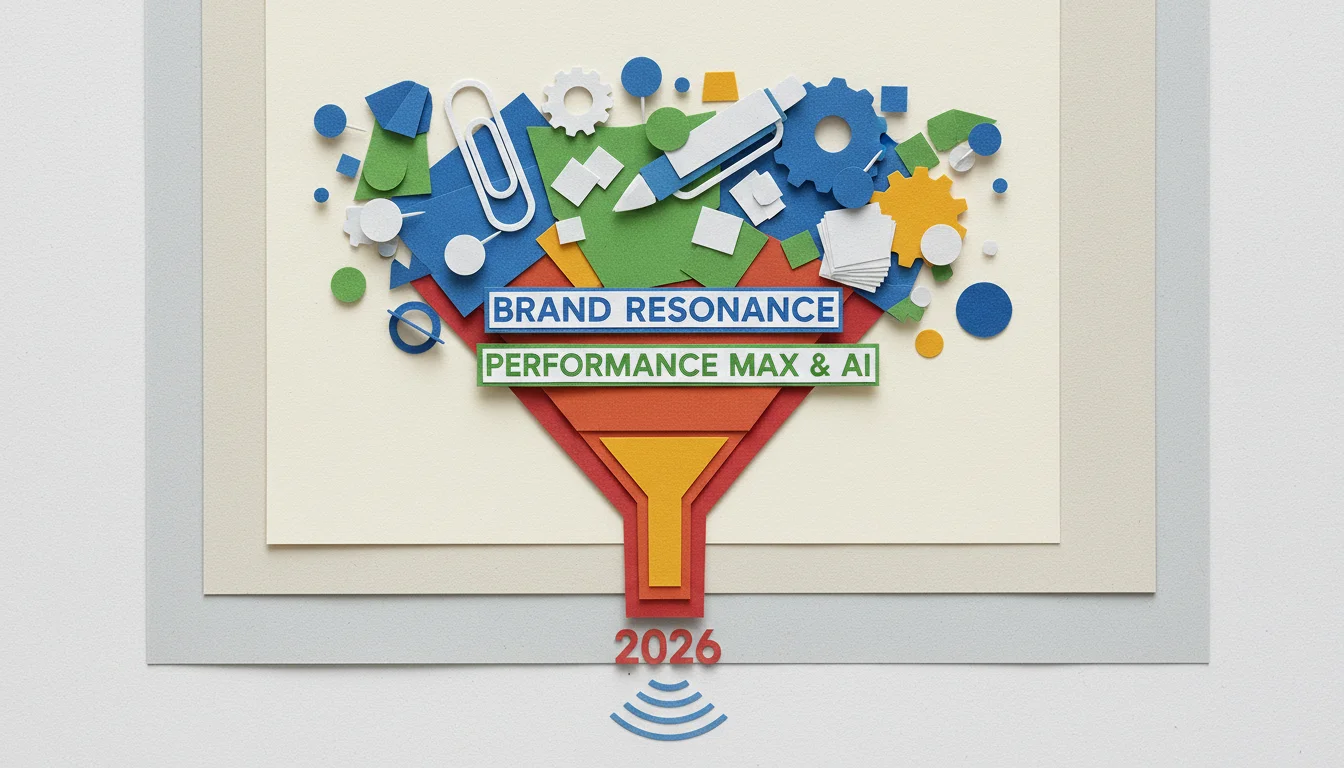
In the fiercely competitive digital marketing arena of 2026, achieving strong brand resonance requires more than just visibility. It demands a deep, consistent connection with your audience. This connection is increasingly forged through advanced tools like Google Ads’ Performance Max and sophisticated AI-driven storytelling, fundamentally reshaping how brands build lasting relationships. How can marketers effectively weave these technologies into a cohesive strategy that genuinely amplifies brand impact?
Unifying Reach with Performance Max Campaigns
Google Ads’ Performance Max campaigns represent a significant evolution in advertising, consolidating various Google ad formats and channels into a single, unified campaign type. This means advertisers can manage their presence across Search, Display, Discover, Gmail, and YouTube from one interface, letting Google’s AI optimize bids and placements to achieve conversion goals. The promise here is not just efficiency, but expanded reach and the ability to find converting customers where they are, often in places traditional campaigns might miss. It’s an intelligent system designed to maximize conversions by using Google’s vast data ecosystem. The core strength of Performance Max lies in its machine learning capabilities. You provide the campaign with your conversion goals, assets (images, videos, text), and audience signals, and the system autonomously allocates budget and optimizes performance across channels. This hands-off approach frees up marketing teams from granular, manual bid adjustments and placement decisions, allowing them to focus on higher-level strategy and creative development. However, this level of automation demands high-quality inputs. Garbage in, garbage out remains a fundamental truth. Your assets must be compelling, and your audience signals accurate for the AI to work its magic. For instance, a retail brand launching a new product line could feed Performance Max with high-resolution product images, engaging video commercials, and various text headlines. By also providing audience signals based on past purchasers or website visitors, the system then identifies potential customers across YouTube Shorts, Gmail promotions, and relevant search queries, dynamically adjusting bids to secure conversions. The beauty is in its adaptive nature. If YouTube is driving strong performance for a specific audience segment, the system will automatically allocate more budget there, all without direct intervention.
The Imperative of First-Party Data for AI Success
The efficacy of both Performance Max and any AI storytelling initiative hinges critically on the quality and depth of your first-party data. With the ongoing deprecation of third-party cookies, proprietary customer data has become an invaluable asset, directly influencing the accuracy of audience targeting and the relevance of AI-generated content. This includes purchase history, website browsing behavior, app usage, email engagement, and even CRM data. Building a strong first-party data strategy is no longer optional. It’s a foundational requirement for competitive digital advertising. Collecting this data responsibly and ethically is paramount. Brands must clearly communicate their data collection practices and offer transparent consent mechanisms. Once collected, this data needs to be organized, segmented, and activated. This means integrating it with your advertising platforms, including Google Ads, to inform audience signals for Performance Max. For example, segmenting customers who have purchased a specific product category in the last six months allows Performance Max to target similar individuals or retarget those who showed interest but didn’t convert, significantly improving campaign efficiency. Without rich first-party data, AI-driven campaigns operate with a significant handicap. They struggle to identify high-value customer segments, leading to broader, less efficient targeting and a diminished return on ad spend. I’ve seen countless instances where a brand’s campaign performance plateaued until they invested in unifying their customer data platforms and feeding that intelligence into their ad systems. It’s not just about having data. It’s about having clean, actionable data that can be interpreted by machine learning algorithms to make smarter decisions. For a deeper dive into optimizing your ad spend, consider how Maersk’s PPC cut costs 15% by using intelligent strategies.
Crafting Dynamic Narratives with AI Storytelling
The concept of AI storytelling extends beyond simple ad copy generation. It involves using artificial intelligence to create dynamic, personalized content that resonates with individual users across their journey. This means AI can analyze audience data, identify key motivators, and then generate variations of ad creatives (headlines, body copy, image suggestions, video scripts) that are most likely to appeal to specific segments. The goal is to move past static, one-size-fits-all messaging towards a fluid, adaptive narrative that evolves with the customer. Imagine an AI system that takes your core brand message and then, based on a user’s previous interactions, geographic location, and inferred interests, automatically crafts an ad that highlights the most relevant product benefits. For a user interested in sustainability, the AI might emphasize eco-friendly production, while for another focused on performance, it might highlight speed and efficiency. This level of personalization at scale is impossible without AI. Tools from companies like Persado and Jasper are becoming increasingly sophisticated in generating compelling, on-brand content variations. The real power emerges when AI storytelling integrates with platforms like Performance Max. Your diverse set of AI-generated assets (text, images, videos) can be fed into Performance Max, which then uses its own AI to test and serve the most effective combinations to different audiences across Google’s network. This creates a powerful feedback loop: Performance Max identifies what’s working, and that data can then inform further refinements in your AI storytelling models. It’s a symbiotic relationship where each technology amplifies the other’s effectiveness, driving deeper brand resonance. For more on crafting compelling messages, explore PPC Narratives: 5 Strategies for 2026 Success.
Measuring and Iterating: The Feedback Loop for Success
Launching Performance Max campaigns with AI-driven assets is only the beginning. The true measure of success, and the path to sustained brand resonance, lies in continuous measurement, analysis, and iteration. Data is the fuel for these systems, and the insights derived from campaign performance must inform future strategic decisions. This means regularly reviewing conversion data, audience segment performance, and asset effectiveness reports within the Google Ads interface. One common pitfall I observe is setting up Performance Max and then simply letting it run without oversight. While automation is powerful, it’s not set-and-forget. Marketers need to monitor key metrics such as conversion rates, cost per acquisition (CPA), and return on ad spend (ROAS). If a particular asset group is underperforming, it’s an immediate signal to revisit your AI storytelling prompts or creative strategy for that segment. Google Ads provides detailed asset reports that show which headlines, descriptions, images, and videos are driving the most impressions and conversions. This granular data is gold. Plus, consider A/B testing different AI-generated narratives. Does a story focusing on problem-solution resonate more with a cold audience than one emphasizing aspirational lifestyle? Performance Max will naturally test these variations, but proactive experimentation with your AI content generation tools can provide deeper insights into what truly connects. This iterative process, where insights from campaign performance feed back into creative development and AI model training, is what separates truly resonant brands from those merely shouting into the void. It’s an ongoing conversation with your audience, facilitated by intelligent systems. Understanding these dynamics is important for PPC Performance: 4 Ways to Win in 2026 Volatility.
The Ethical Imperative in AI-Driven Branding
As AI plays an increasingly central role in content creation and audience engagement, marketers face an ethical imperative to ensure fairness, transparency, and authenticity. The potential for AI to generate misleading or biased content exists, and brands must establish clear guidelines and oversight mechanisms. This means training AI models with diverse and unbiased data, and critically reviewing AI-generated output before deployment. Remember, the goal is genuine brand resonance, not just superficial engagement. Maintaining a consistent brand voice and ensuring that AI-generated content aligns with core brand values is also a significant challenge. While AI can personalize, it must do so within the established guardrails of your brand’s identity. This requires careful prompt engineering and a human touch in the final review process. According to a Nielsen report on AI in branding, consumers are increasingly aware of AI’s role in content creation and value transparency from brands. Authenticity is still paramount, even when content is machine-generated. In the end, AI is a tool, albeit a powerful one. Its effectiveness in building brand resonance depends entirely on the strategic direction and ethical considerations provided by human marketers. It can amplify your message, personalize interactions, and optimize delivery, but it cannot replace the fundamental understanding of your audience and the core values that define your brand. Use these tools to enhance, not diminish, the human connection with your customers. To truly build lasting brand resonance in this AI-powered era, marketers must embrace a well-rounded approach, integrating advanced platforms like Performance Max with intelligent storytelling, all underpinned by strong first-party data and a commitment to ethical AI practices. This strategic teamwork is not just about driving conversions. It’s about fostering deep, meaningful connections that stand the test of time. For more on ensuring your campaigns are effective and secure, consider reading about PPC Brand Safety: Avoiding 2026 False Alerts.
What is Performance Max and how does it help build brand resonance?
Performance Max is a unified Google Ads campaign type that leverages AI to run ads across all Google channels (Search, Display, Discover, Gmail, YouTube) from a single campaign. It builds brand resonance by expanding reach to relevant audiences, optimizing ad delivery for conversions, and ensuring consistent brand messaging across various touchpoints, all driven by machine learning.
How does first-party data contribute to effective AI storytelling?
First-party data, which includes customer purchase history, website behavior, and CRM information, is important for effective AI storytelling because it provides the detailed insights necessary for AI to generate highly personalized and relevant ad content. This data allows AI to understand individual preferences and tailor narratives that resonate deeply with specific audience segments.
Can AI storytelling replace human creative input in advertising?
No, AI storytelling cannot entirely replace human creative input. While AI can generate numerous content variations and personalize messages at scale, human marketers are essential for setting the strategic direction, defining brand voice, ensuring ethical considerations, and providing the initial compelling prompts that guide AI’s creative output. AI is a powerful augmentation to human creativity.
What are the key metrics to monitor for Performance Max campaigns?
Key metrics for Performance Max campaigns include conversion rates, cost per acquisition (CPA), return on ad spend (ROAS), and detailed asset group performance reports within Google Ads. Monitoring these metrics helps marketers understand campaign effectiveness, identify underperforming assets, and make data-driven adjustments to optimize results.
What are the ethical considerations when using AI for brand storytelling?
Ethical considerations for AI storytelling include ensuring transparency with consumers about AI’s role in content creation, avoiding bias in AI-generated content, and maintaining brand authenticity. Marketers must establish clear guidelines, review AI outputs, and prioritize responsible data collection and usage to build trust and genuine brand resonance.


