 By Editorial Team
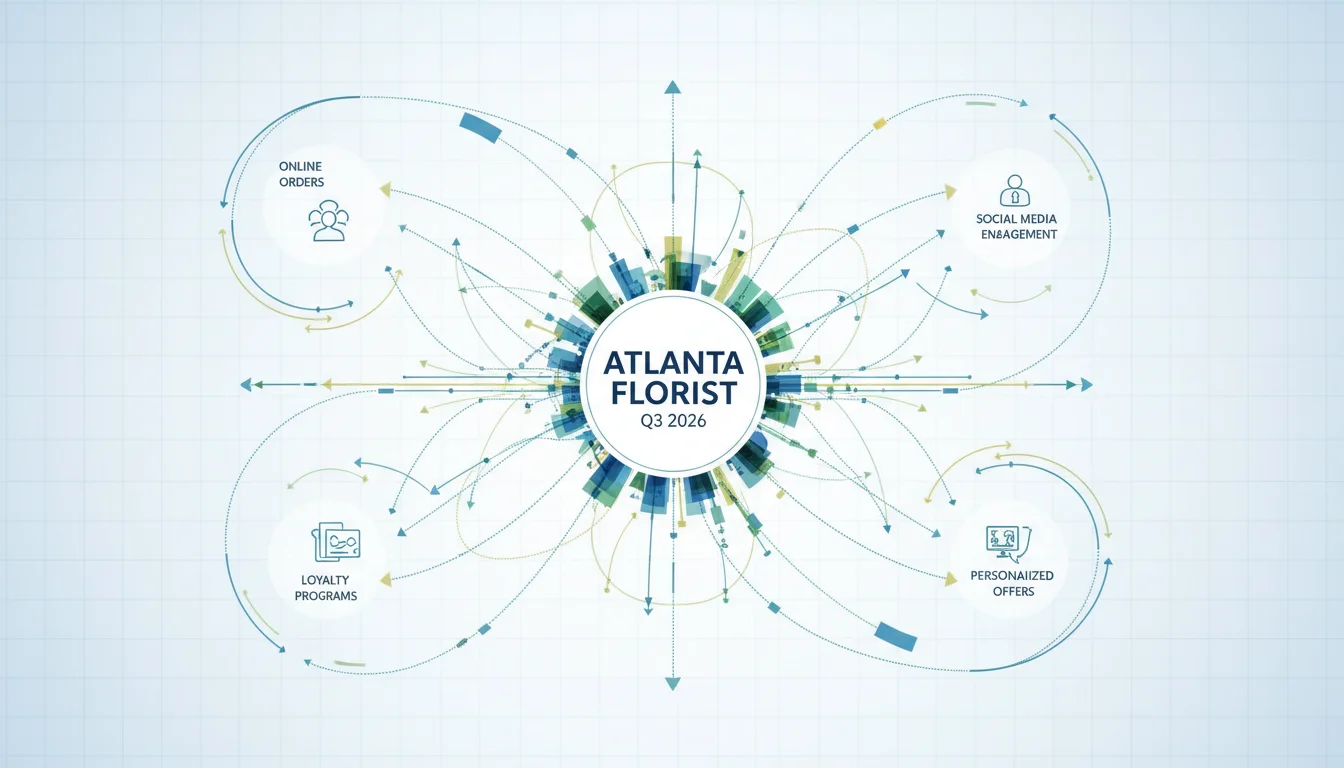
Sarah, the CEO of “Bloom & Blossom,” an artisanal florist based in Atlanta’s vibrant Old Fourth Ward, looked at her Q3 2026 acquisition numbers with a mix of pride and unease. Their recent Google Ads campaign, targeting residents within a 10-mile radius looking for “luxury flower delivery Atlanta,” had been wildly successful, driving a 30% increase in new customer sign-ups. Yet, she noticed a worrying trend: many of these new customers placed one order and then vanished. How could she transform these one-time buyers into loyal patrons using something as seemingly transactional as post-conversion PPC messaging?
Key Takeaways
- Implement a minimum of three distinct post-conversion ad sequences, tailored to specific customer segments identified by their initial purchase behavior.
- Utilize dynamic ad content that personalizes messaging based on past purchases and browse history to increase relevance by at least 25%.
- Allocate a dedicated 15% of your total PPC budget to retargeting and customer retention campaigns for a measurable uplift in lifetime value.
- Integrate CRM data with your ad platforms to create highly segmented audiences for precise post-conversion outreach.
- A/B test different value propositions in your retention ads, focusing on exclusive offers, loyalty program benefits, or educational content.
I’ve seen this scenario play out countless times. Businesses pour resources into acquiring new customers, only to leave a gaping hole in their retention strategy. It’s like filling a leaky bucket. You can keep adding water, but you’ll never truly fill it unless you patch the holes. When Sarah first reached out to my agency, her initial thought was, “We need more new customers.” My immediate response? “No, you need to keep the ones you have.” The cost of acquiring a new customer can be five times higher than retaining an existing one, according to a report by Invesp Consulting. That’s a statistic that should keep any business owner up at night.
Our challenge was clear: develop a post-conversion PPC strategy for Bloom & Blossom that would convert those single-purchase customers into repeat buyers, fostering genuine customer loyalty. This wasn’t about another “buy now” ad; it was about building relationships. We had to shift their mindset from a one-and-done transaction to a continuous conversation.
The Discovery Phase: Unpacking Customer Behavior
The first step was to understand why customers weren’t returning. We dove deep into Bloom & Blossom’s customer data. Using their Shopify analytics and a connected CRM, we segmented their new customers based on their initial purchase. Were they buying for a specific occasion, like a birthday, or a general “just because” arrangement? What was the average order value? How quickly did they open follow-up emails?
We found that a significant portion of their new customers (around 40%) had purchased a “thank you” bouquet or a sympathy arrangement. These were often one-off needs. Another 30% had bought a subscription as a gift, but the recipient wasn’t converting into a direct subscriber after the gift period ended. The remaining 30% were general purchasers, often trying Bloom & Blossom for the first time.
This segmentation was critical. You can’t speak to a gift-giver the same way you speak to someone who just received a gift, or someone who purchased flowers for themselves. This is where the power of targeted post-conversion PPC really shines. It allows for a level of nuance that broad marketing campaigns simply can’t achieve.
Crafting the Post-Conversion PPC Campaigns
Our strategy involved creating distinct retargeting audiences within Google Ads and Meta Ads Manager. We focused on three primary segments:
- The “Thank You”/Sympathy Purchaser: These customers had a specific, often emotional, need. We knew they valued quality and timely delivery. Their initial purchase was likely a considered decision.
- The Gift Recipient: This audience hadn’t directly paid for the product but had experienced it. They were ripe for conversion into direct customers.
- The General First-Time Purchaser: They were open to future purchases but needed a compelling reason to choose Bloom & Blossom again over competitors.
Campaign 1: Nurturing the Occasional Buyer
For the “Thank You”/Sympathy purchasers, our goal was subtle reminders and value reinforcement. We didn’t want to be pushy. About 30 days after their initial purchase, we started showing them ads. These ads weren’t about “buy more flowers now.” Instead, they featured beautiful imagery of Bloom & Blossom’s unique arrangements, coupled with messaging like, “Remember that feeling? Make someone’s day special again.” We also highlighted their commitment to sustainability, a key differentiator for Bloom & Blossom. We used Google’s Customer Match feature to upload their email list, ensuring we were reaching the right people on the Google Display Network and YouTube.
I had a client last year, a boutique jewelry store in Buckhead, who initially resisted this softer approach. They wanted to hit customers with discounts immediately. But I explained that for luxury goods or services tied to emotional moments, discounts can cheapen the brand. We convinced them to try value-based messaging first, and their repeat purchase rate from that segment saw a 12% increase within two quarters, far exceeding their discount-driven campaigns.
Campaign 2: Converting the Gift Recipient
This was perhaps the most exciting segment. These individuals had already experienced Bloom & Blossom’s product firsthand. Our ads for them, appearing roughly two weeks before their gifted subscription was due to expire (or 45 days after a one-time gift delivery), were direct yet appealing. Messaging focused on “Continue the joy,” “Treat yourself,” or “Experience the Bloom & Blossom difference, on your terms.” We offered a small, exclusive discount (10% off their first direct subscription) to sweeten the deal, delivered via a unique promo code in the ad itself. We also ran these ads on Meta’s platforms, leveraging interest-based targeting to expand our reach to lookalike audiences of these recipients.
One critical insight here: we didn’t just show them generic flower ads. We used dynamic creative optimization to display arrangements similar to what they had received or what was popular in their geographic area, based on their IP address. This level of personalization makes a huge difference in click-through rates and, ultimately, conversion.
Campaign 3: Engaging the General First-Time Purchaser
For this group, our strategy was twofold: education and incentive. Within 15 days of their initial purchase, we showed them ads promoting Bloom & Blossom’s unique offerings: seasonal collections, workshops (held at their charming storefront near Ponce City Market), or bespoke design services. The goal was to deepen their understanding of the brand beyond a single transaction. We used carousel ads on Meta, showcasing different facets of the business. After 45 days, if they hadn’t re-engaged, we introduced a slightly more aggressive offer, such as free delivery on their next order, emphasizing the convenience and luxury of Bloom & Blossom’s service.
The key here is understanding the customer journey. A first-time buyer might not be ready for another purchase immediately. Sometimes, all they need is a gentle nudge or a reminder of the value they received. It’s about staying top-of-mind without being intrusive. This isn’t just about ads; it’s about building a narrative that reinforces their initial positive experience.
The Power of Segmentation and Personalization
Sarah was initially skeptical about the level of detail we were proposing. “Isn’t that a lot of work for a few ads?” she asked. I explained that in 2026, generic advertising is simply noise. Consumers expect personalization. A report by eMarketer from earlier this year highlighted that 72% of consumers expect personalized interactions, and 60% are more likely to become repeat buyers after a personalized experience. Ignoring this trend is like trying to compete with a horse and buggy in a race against electric vehicles. It’s a losing battle.
We integrated Bloom & Blossom’s CRM with their ad platforms, creating custom audience segments that updated dynamically. This meant that once a customer made a second purchase, they were automatically removed from the “first-time purchaser” retargeting list and added to a “loyal customer” segment, where they would see different, exclusive content, perhaps early access to new collections or invitations to special events.
This continuous refinement of audiences is crucial for effective retention. You don’t want to keep showing “first purchase discount” ads to someone who has already bought from you five times. That’s a waste of budget and an annoyance to the customer.
Results and Lessons Learned
After six months of implementing this post-conversion PPC strategy, Bloom & Blossom saw a remarkable shift. Their repeat customer rate increased by 25%, translating into a 15% increase in overall revenue, despite no significant change in their acquisition budget. The lifetime value of new customers acquired during this period also jumped by nearly 20%. The most impactful campaign was the one targeting gift recipients, which converted 18% of them into direct subscribers.
Sarah was thrilled. “I always thought PPC was just for getting new customers,” she admitted during our last quarterly review. “But seeing how it can build loyalty… it’s completely changed how I view our marketing spend.”
What can businesses learn from Bloom & Blossom’s success? First, your job doesn’t end when a customer converts. That’s just the beginning of the relationship. Second, generic messaging is dead. Invest in understanding your customer segments and tailor your communication accordingly. Third, don’t be afraid to experiment with different value propositions in your post-conversion ads. Sometimes a soft reminder of brand values works better than a hard discount. And finally, integrate your data. Siloed information is a marketing killer. Connecting your CRM with your ad platforms allows for a level of precision and automation that is simply unattainable otherwise. The future of marketing isn’t just about reaching the most people; it’s about reaching the right people with the right message at the right time, fostering deep and lasting connections.
Investing in post-conversion PPC messaging isn’t just an expense; it’s an investment in the long-term health and profitability of your business. By focusing on retention through personalized, strategic ads, you can transform one-time buyers into your most valuable advocates, building a resilient customer base that drives sustainable growth.
What is post-conversion PPC messaging?
Post-conversion PPC messaging refers to targeted paid advertising campaigns designed to engage customers who have already completed an initial desired action, such as making a purchase, signing up for a newsletter, or downloading content. The goal is to encourage repeat business, upsells, cross-sells, or deeper brand engagement.
Why is customer segmentation important for post-conversion PPC?
Customer segmentation is crucial because it allows advertisers to tailor messages to specific groups based on their past behavior, demographics, or preferences. A generic ad shown to all past customers will be less effective than a personalized ad that addresses their unique needs or interests, leading to higher engagement and conversion rates.
What types of content work best for post-conversion ads?
Effective post-conversion ad content can include exclusive offers, loyalty program benefits, educational content related to their previous purchase, complementary product suggestions, brand story reinforcement, or invitations to community events. The best content depends on the customer segment and the specific stage of their journey.
How soon after a conversion should I start post-conversion PPC campaigns?
The timing varies by industry and product. For e-commerce, a follow-up ad within 7-30 days can be effective, perhaps with a complementary product or a loyalty incentive. For services with longer sales cycles, a softer, value-driven ad around 30-60 days might be more appropriate. It’s essential to test different timings to find what resonates best with your audience.
Can post-conversion PPC help with customer retention?
Absolutely. Post-conversion PPC is a powerful tool for customer retention. By staying top-of-mind, offering relevant value, and nurturing the customer relationship through targeted ads, businesses can significantly increase repeat purchases, improve customer lifetime value, and build stronger brand loyalty, ultimately leading to more sustainable growth.


