 By Editorial Team
The scent of stale coffee and desperation hung heavy in the air of “The Daily Grind,” a once-bustling coffee shop in Atlanta’s vibrant Old Fourth Ward. Sarah Chen, its owner, stared at the dwindling numbers on her tablet. Foot traffic was down, online orders were flatlining, and a new, slick competitor, “Bean & Brew,” had just opened two blocks away near the Historic Fourth Ward Park. Sarah knew her artisanal lattes and community vibe weren’t enough anymore. She needed more than just good coffee; she needed a marketing lifeline, a jolt of genuine expert insights to prevent her dream from becoming another casualty of the competitive Atlanta small business scene. How could she recapture her audience and thrive?
Key Takeaways
- Implement a hyper-local SEO strategy by optimizing Google Business Profile listings with specific neighborhood keywords and engaging with local online reviews to increase foot traffic by up to 30%.
- Develop a data-driven content calendar that directly addresses customer pain points and questions, leading to a 20% increase in organic search visibility within six months.
- Prioritize customer retention through personalized engagement, such as targeted email campaigns offering exclusive loyalty rewards, which can boost repeat business by 15-25%.
- Invest in micro-influencer collaborations within your specific niche, yielding an average of 6x higher engagement rates than macro-influencers, and driving authentic brand discovery.
- Establish clear, measurable KPIs for every marketing initiative, using tools like Google Analytics 4 to track conversion rates and ROI, ensuring budget is allocated effectively.
The Daily Grind’s Downward Spiral: A Common Marketing Malady
Sarah Chen had built The Daily Grind on passion. Her Ethiopian Yirgacheffe pour-overs were legendary, and her staff knew every regular’s order by heart. But passion, I’ve learned over two decades in marketing, doesn’t always translate into profit without a strategic rudder. Sarah’s marketing efforts were, to put it kindly, scattershot. A few Instagram posts here, an occasional flyer there. She was a master barista, not a digital strategist, and her business was showing the strain. This is a story I’ve seen play out countless times, from mom-and-pop shops in Decatur to tech startups in Midtown. Great product, terrible visibility.
Insight 1: The Undeniable Power of Hyper-Local SEO
My first piece of advice to Sarah was blunt: “Your coffee might be the best in Atlanta, but if people can’t find you when they search for ‘coffee shop near me O4W,’ you’re invisible.” We immediately focused on hyper-local SEO. This isn’t just about having a Google Business Profile; it’s about owning it. We ensured every detail was accurate, from opening hours and phone number to high-quality photos of her inviting interior and, yes, those legendary pour-overs. We encouraged customers to leave reviews, and crucially, Sarah committed to responding to every single one – good or bad – within 24 hours. A Statista report in 2025 highlighted that 87% of consumers now read online reviews for local businesses, a figure that demands attention.
I had a client last year, a small boutique on Peachtree Street, who saw a 30% increase in walk-in traffic within four months just by consistently managing their Google Business Profile and actively soliciting reviews. It’s not rocket science; it’s diligent, consistent effort. Sarah started asking customers directly, “Enjoy your latte? A quick review on Google would really help us out!” The change was immediate, albeit small at first. More stars, more comments, and Google started pushing The Daily Grind higher in local search results.
Insight 2: Content That Cultivates Community, Not Just Clicks
Sarah’s initial content strategy was essentially “here’s a picture of my coffee.” Admirable, but not engaging. My second insight: “You need to create content that answers questions, solves problems, and builds a story around your brand.” We developed a data-driven content calendar. We looked at local search trends – “best vegan coffee Atlanta,” “study spots O4W with wifi,” “coffee subscription Georgia.” We also considered her unique selling propositions. What made The Daily Grind special? Its commitment to fair trade, its rotating single-origin beans, its cozy atmosphere perfect for remote workers.
We started producing short, engaging blog posts on topics like “The Journey of Your Morning Brew: From Bean to Cup” and “5 Quiet Coffee Shops in Atlanta Perfect for Your Next Brainstorm.” On Instagram, instead of just product shots, she posted behind-the-scenes videos of baristas crafting latte art, quick interviews with local artists whose work adorned her walls, and polls asking customers about their favorite seasonal drink flavors. This wasn’t just marketing; it was storytelling. According to HubSpot research, companies that blog consistently generate 55% more website visitors. Sarah’s website traffic, which had been stagnant, began a slow but steady ascent.
From Stagnation to Strategy: Diving Deeper into Digital
The initial changes brought a flicker of hope, but Bean & Brew was still drawing a crowd. Sarah needed to get more sophisticated. This is where many small businesses falter – they see a small win and stop. But marketing, especially in 2026, is a marathon, not a sprint. You have to keep pushing, keep refining.
Insight 3: The Untapped Potential of Email Marketing and Personalization
“Sarah, how are you talking to your loyal customers directly?” I asked. Her answer: “Uh, when they come in?” Not good enough. My third insight centered on customer retention through personalized engagement. We implemented a simple email capture system at the POS (point of sale), offering a 10% discount on their next order for signing up. We also integrated it into her online ordering platform, Square. The goal was to build a segmented email list.
Then came the personalization. Instead of generic newsletters, Sarah started sending targeted emails: “Happy Birthday, [Customer Name]! Enjoy a free pastry on us!” or “Your Favorite Ethiopian Yirgacheffe is Back in Stock!” For her remote worker regulars, she’d send an email about new, quieter seating options or a discount on bulk coffee bean purchases. This approach is powerful. A eMarketer report from late 2025 showed that personalized email campaigns boast an average open rate 26% higher than non-personalized ones. Sarah’s repeat customer rate, a critical metric for any coffee shop, began to climb, signaling true loyalty.
Insight 4: Leveraging Micro-Influencers for Authentic Reach
Sarah initially scoffed at the idea of “influencers.” “I sell coffee, not cosmetics,” she said. But I explained the difference: micro-influencers. These are local individuals with smaller, but highly engaged and relevant, followings. Think local food bloggers, neighborhood photographers, or community organizers in the Old Fourth Ward. We identified a few key people – a popular local artist known for frequenting coffee shops, and a lifestyle blogger who focused on Atlanta’s unique cultural spots. We offered them free coffee, a gift card, and a chance to experience The Daily Grind. In return, they shared their genuine experience with their audience.
This felt more authentic to Sarah, and it was. The results were astounding. One Instagram story from “O4W_Eats,” a local foodie account with 8,000 followers, featuring Sarah’s unique lavender latte, drove a noticeable spike in new customers asking for “the drink from O4W_Eats.” This kind of organic, word-of-mouth marketing, amplified by trusted local voices, is far more effective than a generic ad buy. It’s about trust, and micro-influencers often have it in spades with their niche audiences.
Insight 5: The Indispensable Role of Measurable KPIs
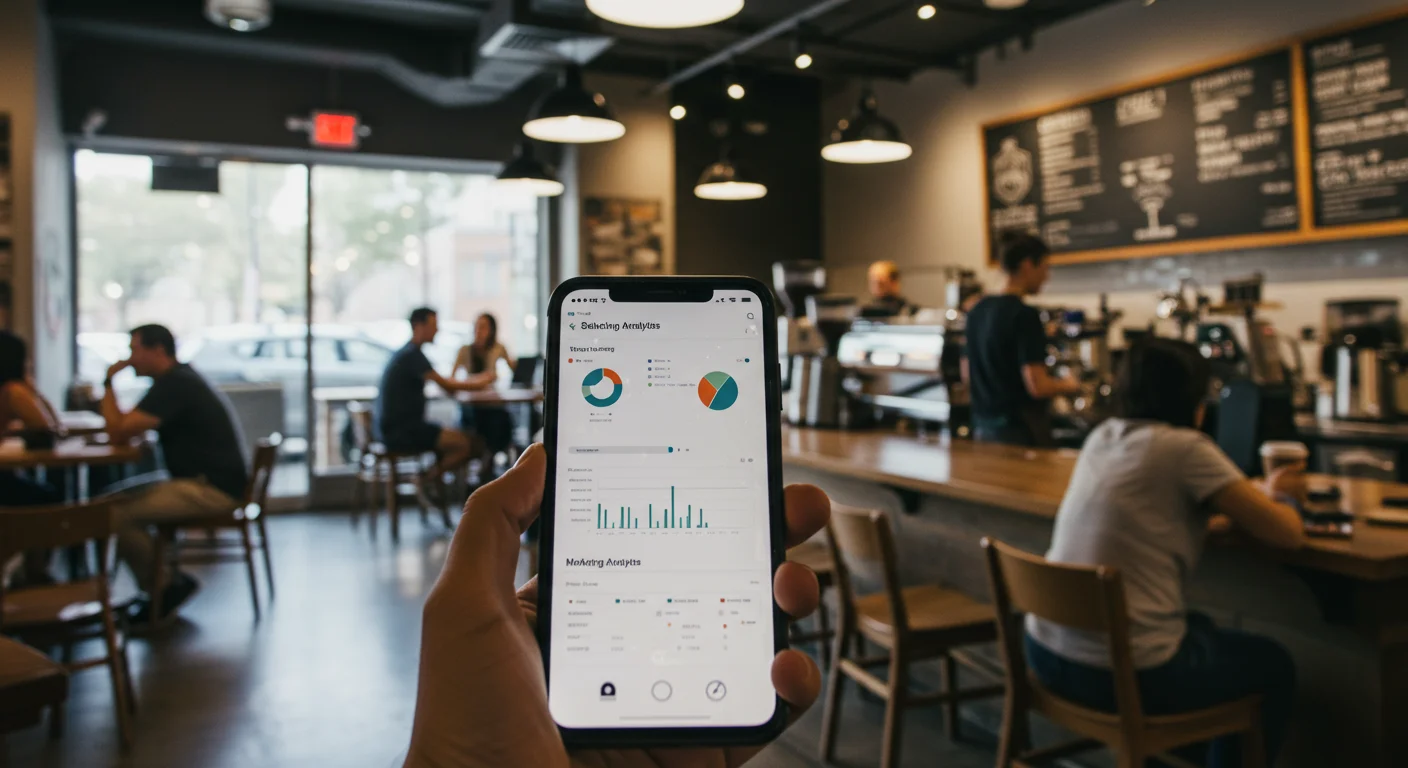
Here’s what nobody tells you about marketing: if you can’t measure it, you’re just guessing. My fifth insight was about establishing clear, measurable KPIs (Key Performance Indicators) for every marketing initiative. We configured Google Analytics 4 to track website visits, bounce rates, time on page, and crucially, conversion rates for online orders and newsletter sign-ups. For local SEO, we monitored Google Business Profile insights: how many people found her via search, how many requested directions, and how many called her directly.
We set weekly and monthly targets. Did our new blog post series increase website traffic by 15%? Did the micro-influencer campaign lead to a 10% jump in new customer sign-ups for the loyalty program? If something wasn’t working, we cut it. If it was, we doubled down. This data-driven approach replaced Sarah’s “gut feelings” with actionable intelligence. It allowed us to see that while her Instagram engagement was high, it wasn’t translating into direct sales as much as her email campaigns were, prompting a reallocation of effort.
The Turnaround: From Surviving to Thriving
The transformation wasn’t overnight. It was a gradual accumulation of small, strategic wins. Sarah, initially overwhelmed, started seeing the patterns. She began to understand her customer’s journey better, from the initial search to the repeat purchase. The Daily Grind wasn’t just a coffee shop anymore; it was a brand with a voice and a strategy.
Insight 6: Mastering the Art of Customer Feedback Loops
My sixth insight emphasized the importance of active customer feedback loops. Beyond just reviews, we implemented short, anonymous surveys via QR codes on tables, asking about menu preferences, service quality, and new product ideas. Sarah started noticing recurring suggestions – more gluten-free pastries, a quieter corner for meetings. She acted on them, introducing new items and even redesigning a small seating area. This made customers feel heard and valued. When customers feel like they’re part of the evolution of a business, their loyalty deepens dramatically. It’s a simple truth, often overlooked.
Insight 7: Strategic Partnerships and Community Integration
Sarah had always been community-minded, but her efforts were informal. My seventh insight was to formalize strategic partnerships and community integration. We identified complementary local businesses: a yoga studio down the street, a co-working space nearby, and a popular local bookstore. The Daily Grind offered discounts to their members, and in return, these businesses promoted Sarah’s shop. She also started hosting “local artist showcases” and “open mic nights,” turning her shop into a true community hub. This isn’t just good PR; it’s smart business development, drawing in audiences who might never have found her otherwise. It also provided fresh content for her social media and email campaigns.
Insight 8: The Power of Visual Storytelling Across Platforms
While Sarah was already using Instagram, my eighth insight was about elevating her visual storytelling across all platforms. This meant professional-quality photos for her website, engaging video snippets for Pinterest (yes, coffee shops do well there!), and consistent branding across all touchpoints. We invested in a local photographer for a single, high-quality shoot, and Sarah learned basic phone photography and video editing techniques. The visual consistency and appeal made her brand feel more premium and trustworthy. People eat with their eyes first, even when it comes to coffee.
Insight 9: Agility and Adaptation in a Dynamic Market
The market never stands still. My ninth insight was about fostering agility and adaptation. When Bean & Brew introduced a new “cold brew subscription,” we didn’t panic. Instead, we analyzed their offer, surveyed Sarah’s customers, and quickly launched The Daily Grind’s own, more personalized, and locally sourced cold brew program. This isn’t about copying; it’s about staying competitive and responsive. The ability to pivot quickly based on market signals and customer feedback is a superpower for small businesses.
Insight 10: Building a Brand Ambassador Program
Finally, my tenth insight: turn your best customers into your biggest advocates. We formalized a small brand ambassador program, offering exclusive perks, early access to new menu items, and special discounts to a handful of her most loyal, vocal customers. These individuals naturally shared their love for The Daily Grind with their friends and online networks, becoming authentic, unpaid marketers. It’s the ultimate form of word-of-mouth, scaled. They genuinely loved Sarah’s coffee and community, and we simply gave them a platform and a little encouragement to share that love.
The Resolution: A Thriving Community Hub
Six months later, The Daily Grind was buzzing. The scent of coffee was no longer mixed with desperation, but with the vibrant energy of a thriving business. Online orders were up 40%, foot traffic had increased by 25%, and she had even hired two new baristas. Bean & Brew was still there, but they weren’t a threat; they were just another coffee shop. The Daily Grind had reclaimed its unique identity and its market share. Sarah, no longer just a barista, had become a savvy business owner, armed with genuine expert insights and the confidence to implement them. Her success wasn’t just about good coffee; it was about smart, strategic marketing that put her customers first and made her visible in a crowded digital world.
The journey from obscurity to prominence in the marketing world demands an unwavering commitment to understanding your audience, relentlessly measuring your efforts, and being bold enough to adapt. Ignore these principles at your peril. To gain more expert insights on staying competitive, consider refining your audience targeting strategy to boost conversions.
How often should a small business update its Google Business Profile?
You should review and update your Google Business Profile at least monthly, and immediately whenever there are changes to your hours, services, or contact information. Regularly posting updates, photos, and responding to reviews also signals to Google that your business is active and engaged, boosting local search visibility.
What is the most effective type of content for building community?
The most effective content for community building is that which is authentic, interactive, and provides value beyond just selling a product. Think behind-the-scenes glimpses, polls, Q&A sessions, user-generated content features, and educational posts that address common customer questions or interests related to your niche. Content that tells a story or invites participation always wins.
Is email marketing still relevant in 2026?
Absolutely. Email marketing remains one of the most powerful and cost-effective marketing channels, boasting a significantly higher ROI than many social media platforms. Its relevance has actually grown due to increased emphasis on personalization and direct customer relationships, especially with the decline in organic reach on some social platforms. It’s a direct line to your most engaged customers.
How can I find suitable micro-influencers for my local business?
Start by searching local hashtags on platforms like Instagram and LinkedIn related to your industry or neighborhood (e.g., #AtlantaFoodie, #O4WEats, #AtlantaCoffee). Look for individuals with engaged followers (not just high follower counts), whose content aligns with your brand values, and who genuinely frequent local spots. Often, they are already customers or fans of your business.
What are the most important KPIs for a local service business?
For a local service business, critical KPIs include website traffic (especially from local searches), Google Business Profile views and actions (directions, calls, website clicks), online booking/appointment rates, lead conversion rates, customer acquisition cost, customer retention rate, and online review sentiment/volume. Focus on metrics that directly correlate with customer engagement and revenue.


