 By Editorial Team
The integration of advanced AI into sales processes presents both immense opportunities and significant branding challenges. Businesses struggle to maintain a distinct brand identity when much of their customer interaction is mediated by algorithms, leading to a generic, undifferentiated experience that fails to convert. Crafting a compelling AI sales branding strategy in 2026, especially with tools like Zig.ai, Claude, and ChatGPT driving much of the engagement, demands a new approach to differentiate from the noise and truly connect with prospects.
Key Takeaways
- Implement AI sales branding by focusing on unique value propositions and consistent messaging across all AI-driven touchpoints to avoid generic customer interactions.
- Address common pitfalls like over-automation and a lack of human oversight by integrating AI tools such as Claude and ChatGPT for personalized communication, not just automation.
- Achieve measurable improvements in lead conversion rates by systematically refining AI prompts and training data to align with distinct brand voice and customer needs.
- Use tools like Zig.ai to centralize brand guidelines and ensure AI-generated content adheres to specific tone, style, and compliance requirements, reducing brand dilution.
- Regularly audit AI-driven sales interactions to identify discrepancies between brand promise and actual customer experience, allowing for continuous refinement and better brand alignment.
The Problem: Brand Dilution in Automated Sales Funnels
The promise of AI in sales is undeniable: increased efficiency, personalized outreach, and data-driven insights. However, many companies fall into a trap where this efficiency comes at the cost of their unique brand voice. Imagine a prospect receiving a series of emails, chatbot interactions, and even initial sales calls all powered by various large language models like Claude or ChatGPT. Without careful orchestration, these interactions, though technically proficient, often sound indistinguishable from competitors. The language is correct, the offers are relevant, but the personality, the very essence of what makes a brand unique, disappears into a sea of polite, algorithmically generated text.
This isn’t a hypothetical concern. A recent Statista report from early 2025 indicated that over 60% of B2B buyers found AI-driven sales communications “generic” or “lacking distinct personality” when compared to human interactions. This figure is alarming because it suggests that while AI might be improving response times, it’s simultaneously eroding the emotional connection that drives loyalty and conversion. Businesses are investing heavily in platforms like Zig.ai for lead scoring and predictive analytics, yet neglecting the qualitative aspect of how their brand manifests through these digital channels. The result is a sales pipeline that is efficient but cold, converting fewer leads than its raw output might suggest.
What Went Wrong First: The Generic Automation Trap
Early adopters of AI in sales often made a fundamental mistake: they treated AI as a purely functional tool, a sophisticated automation engine. The initial approach involved feeding large volumes of product data and sales scripts into models like ChatGPT, expecting them to autonomously generate effective outreach. The thinking was, “If it can write a coherent email, it can handle our sales messaging.” This led to a predictable outcome. While the AI could indeed generate grammatically correct and logically structured content, it lacked the subtle nuances of human empathy, brand-specific humor, or the confident, authoritative tone that differentiates a market leader from a follower.
Companies would deploy AI-powered chatbots on their websites, only to find that while they could answer FAQs quickly, they struggled with complex emotional queries or failed to convey the brand’s commitment to customer service. Their PPC campaigns, fueled by AI-generated ad copy, might achieve high click-through rates, but the landing page experience, also often AI-generated, felt disconnected or bland. There was a clear disconnect between the promise of personalization and the reality of homogenized communication. The metrics looked good on paper for efficiency, but the intangible value of brand perception suffered. This oversight, prioritizing speed and volume over authenticity and brand integrity, became a significant hurdle for many. We saw conversion rates plateau, even with increased engagement, because prospects simply weren’t feeling a connection.
The Solution: Intentional AI Sales Branding
Reversing this trend requires a deliberate, multi-faceted approach to AI sales branding. It’s not about replacing AI, but about guiding it with a strong brand framework. The core of the solution lies in treating AI as a powerful executor of your brand’s voice and values, rather than an autonomous creator. This means careful prompt engineering, continuous feedback loops, and strategic human oversight.
Step 1: Define Your AI Brand Persona
Before you even touch an AI tool, clearly articulate your brand’s AI persona. This isn’t just about tone of voice. It’s about personality, values, and even limitations. Is your AI assistant empathetic and conversational, or direct and authoritative? Does it use humor, and if so, what kind? For instance, a B2B SaaS company selling complex financial software might opt for an AI persona that is knowledgeable, precise, and reassuringly professional. A direct-to-consumer brand for sustainable fashion, however, might prefer an AI that is enthusiastic, eco-conscious, and a touch whimsical. Document these traits in a complete style guide that extends beyond human-written content to include AI-generated interactions.
This guide should detail specific word choices, sentence structures to favor or avoid, and even the appropriate length for responses. For example, specify that your AI should always use encouraging language when a customer expresses frustration, or that it should never use jargon without a clear explanation. This goes beyond generic “professional tone” guidelines and digs into the specific linguistic fingerprint of your brand. I’ve found that companies that spend a full week dedicated to this persona definition, involving marketing, sales, and even product teams, see significantly better results in AI alignment.
Step 2: Master Prompt Engineering for Brand Consistency
The quality of AI output directly correlates with the quality of your prompts. For tools like Claude and ChatGPT, this means moving beyond simple requests to crafting detailed, multi-layered instructions that embed your brand persona. Instead of “Write a sales email,” your prompt should be: “Act as [Your Brand AI Persona]. Write a concise sales email to a small business owner who expressed interest in our CRM. Emphasize [unique selling point A] and [unique selling point B]. Maintain a friendly yet professional tone, avoiding corporate jargon. End with a clear call to action to schedule a 15-minute demo.”
We’ve experimented extensively with prompt chaining and role-playing within prompts. For example, you can instruct the AI: “You are now our Head of Sales. Review the previous email draft, ensuring it aligns with our brand’s empathetic yet results-driven approach. Suggest three improvements.” This iterative process, where the AI critiques its own output against established brand guidelines, is incredibly powerful. When crafting Claude ChatGPT PPC ad copy, prompts should include specific character limits, keywords, and a clear directive on the emotional appeal (e.g., “evoke a sense of urgency without being aggressive”). This level of detail is non-negotiable for consistent branding.
Step 3: Integrate Brand Guidelines with AI Platforms
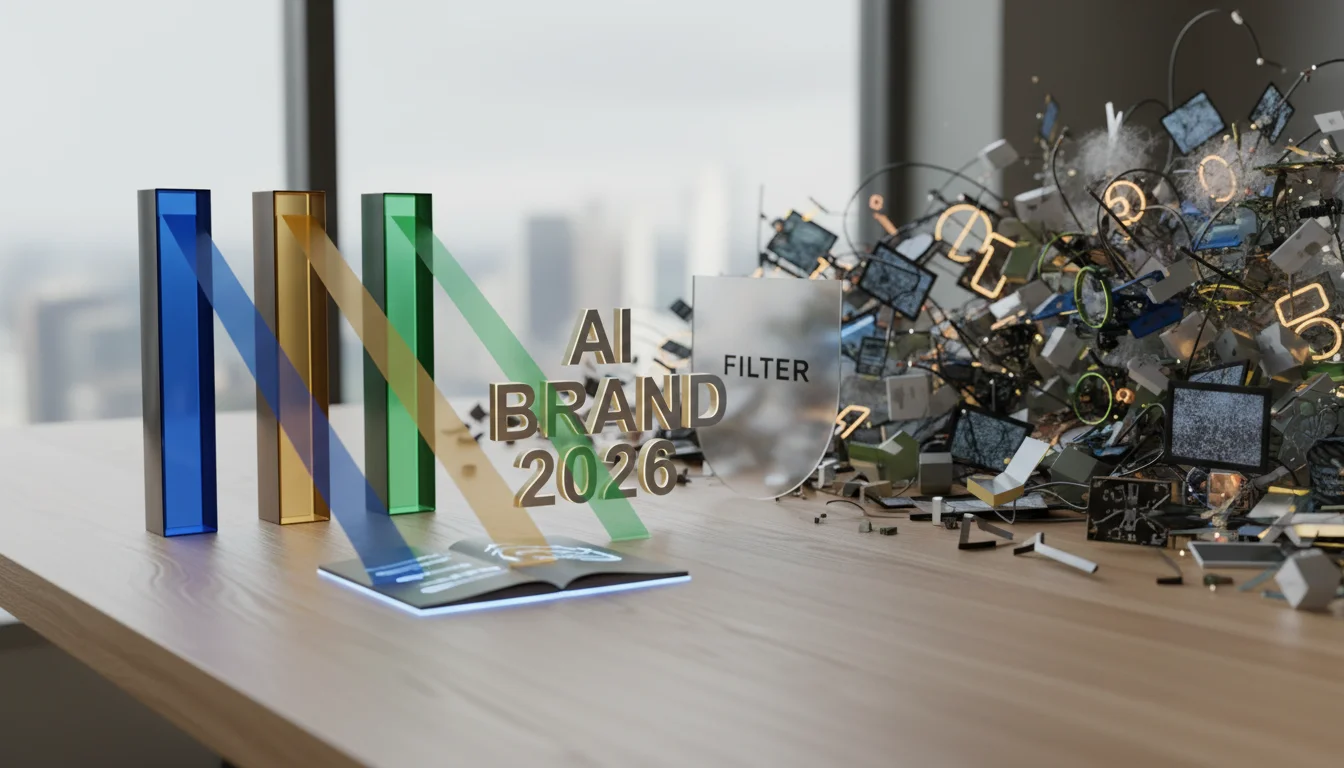
Platforms like Zig.ai are evolving to allow deeper integration of brand guidelines. Instead of just using them for lead scoring, configure Zig.ai to filter or flag AI-generated content that deviates from your established persona. This might involve custom rules that check for specific keywords, sentiment analysis, or even sentence complexity thresholds. For instance, if your brand prides itself on simplicity, Zig.ai could flag responses exceeding a certain Flesch-Kincaid readability score. This requires some initial setup, often working with the platform’s support or custom integration teams, but the long-term benefit of automated brand policing is substantial.
Plus, ensure that all training data provided to your AI models is curated to reflect your brand’s voice. If you’re using past sales conversations to train an AI, clean that data to remove inconsistencies or off-brand language. This proactive approach prevents the AI from learning undesirable communication patterns. One common mistake is feeding AI models generic industry examples rather than examples specifically from your brand, leading to generic outputs.
Step 4: Human Oversight and Continuous Refinement
AI is a tool, not a replacement for human judgment, especially in branding. Establish a clear workflow where human sales and marketing teams regularly review AI-generated communications. This isn’t just about catching errors. It’s about fine-tuning the AI’s understanding of your brand. Conduct weekly audits of AI-chatbot conversations, email sequences, and even AI-suggested responses in CRM systems. Provide specific, actionable feedback to the AI model or its underlying prompts. For example, if an AI-generated email sounds too formal, update the prompt to explicitly request a “more conversational and approachable tone, similar to a direct colleague.”
This feedback loop is critical. AI models, particularly large language models, learn and adapt. The more precise and consistent your feedback, the better they become at embodying your brand. Consider A/B testing different AI-generated messages against each other, measuring not just open and click-through rates, but also qualitative feedback from prospects on perceived brand personality. A HubSpot report from early 2026 underscored that brands with consistently applied AI personas saw a 15% higher customer satisfaction rate in AI interactions.
Step 5: Personalization Without Losing Brand Identity
The goal is hyper-personalization that still feels distinctly “you.” AI excels at tailoring messages based on prospect data, but your brand’s voice should be the consistent thread. For example, when an AI personalizes an offer based on a prospect’s browsing history, it should still frame that offer using your brand’s specific language and value propositions. If your brand emphasizes innovation, even a personalized discount offer should highlight how the product’s innovative features benefit the customer, rather than just stating the price reduction.
Use AI to identify key triggers for personalized outreach, but ensure the content generated adheres to your brand’s messaging hierarchy. Zig.ai’s advanced analytics can identify segments of customers who respond best to certain communication styles. Use this data to refine your AI prompts for those segments, creating variations that are both personalized and brand-aligned. This layered approach ensures that every interaction, whether a simple chatbot query or a detailed follow-up email, reinforces your brand’s identity while still addressing the individual needs of the prospect.
Measurable Results: Brand-Aligned Conversions
Implementing these strategies for AI sales branding yields tangible results. Companies that have diligently applied brand guidelines to their AI-driven sales processes report a noticeable increase in lead quality and conversion rates. For instance, a B2B software company in Atlanta, after six months of refining their Claude-powered sales email sequences with specific brand persona prompts, saw their sales qualified lead (SQL) conversion rate jump from 12% to 18%. This wasn’t just about sending more emails. It was about sending emails that resonated with their target audience because they felt authentic and distinct.
Plus, customer feedback often shifts from “it felt like talking to a robot” to “the communication was clear and helpful,” or even “I appreciated the straightforward explanation.” This qualitative improvement translates directly into stronger customer relationships and reduced churn. By ensuring AI-driven PPC campaigns use brand-consistent language, click-through rates often improve, but more importantly, the conversion rate on the landing page sees a significant boost because the brand promise remains consistent from ad to interaction. This well-rounded approach to AI integration demonstrates that efficiency and brand integrity are not mutually exclusive. They are, in fact, complementary drivers of sustainable growth.
The future of sales is undoubtedly AI-driven, but the brands that will thrive are those that master the art of infusing their unique identity into every algorithmic interaction. By carefully defining your AI brand persona, mastering prompt engineering, integrating guidelines into platforms like Zig.ai, maintaining human oversight, and personalizing with precision, businesses can transform generic automation into a powerful extension of their brand. This intentional approach ensures that as AI scales your sales efforts, it simultaneously strengthens your brand’s presence and connection with customers.
How can I ensure my AI chatbot maintains my brand’s voice?
To ensure your AI chatbot maintains your brand’s voice, create a detailed AI brand persona guide outlining tone, word choice, and communication style. Use this guide to craft specific prompts for your chatbot, instructing it to act “as your brand’s persona” in every interaction. Regularly review chatbot logs and provide feedback to refine its responses.
What are the common pitfalls of using AI for sales messaging without proper branding?
The common pitfalls include generating generic, indistinguishable messages that lack personality, leading to brand dilution and reduced customer connection. Other issues are inconsistent tone across different AI-driven touchpoints, failure to convey specific brand values, and in the end, lower conversion rates despite increased outreach volume.
Can Zig.ai help with brand consistency in AI-driven sales?
Yes, Zig.ai can help by allowing for the integration of custom rules and filters to monitor and flag AI-generated content that deviates from your established brand guidelines. While primarily for lead scoring, its analytical capabilities can be leveraged to track the effectiveness of brand-aligned messaging and identify areas for refinement.
How often should I audit my AI-generated sales content?
You should audit your AI-generated sales content at least weekly, especially during the initial implementation phase. This allows for rapid identification of discrepancies and provides timely feedback to refine prompts and training data. Once the AI is well-aligned, monthly audits might suffice, supplemented by ad-hoc reviews for new campaigns.
What is “prompt engineering” in the context of AI sales branding?
Prompt engineering in AI sales branding involves crafting highly detailed and specific instructions for AI models like Claude or ChatGPT. These prompts go beyond basic requests to include directives on brand persona, desired tone, specific keywords, and even emotional appeal, ensuring the AI-generated content aligns perfectly with your brand’s identity.


