 By Editorial Team
Key Takeaways
- Implement AI-powered anomaly detection tools like Google Cloud Security Command Center’s Event Threat Detection to identify and respond to unusual network activity in real-time.
- Develop specific content series for threat prevention PPC campaigns that address different stages of the buyer journey, from problem awareness to solution consideration, using long-tail keywords.
- Allocate at least 25% of your threat prevention PPC budget to retargeting campaigns, focusing on users who have engaged with your AI cybersecurity content.
- Use platform-specific features such as Google Ads Performance Max campaigns with asset groups tailored to different cybersecurity threats to maximize reach and conversion potential.
- Regularly audit your AI cybersecurity content for accuracy and relevance, updating statistics and threat field every six months to maintain authority.
The integration of artificial intelligence (AI) into cybersecurity presents a far-reaching opportunity for threat prevention, fundamentally reshaping how organizations defend their digital assets. This shift demands a sophisticated approach to content marketing, particularly for pay-per-click (PPC) campaigns, where precision and relevance directly impact lead generation and conversion rates. How do marketers effectively bridge the gap between complex AI cybersecurity solutions and the urgent need for threat prevention among their target audience?
The Evolving Threat Field and AI’s Role
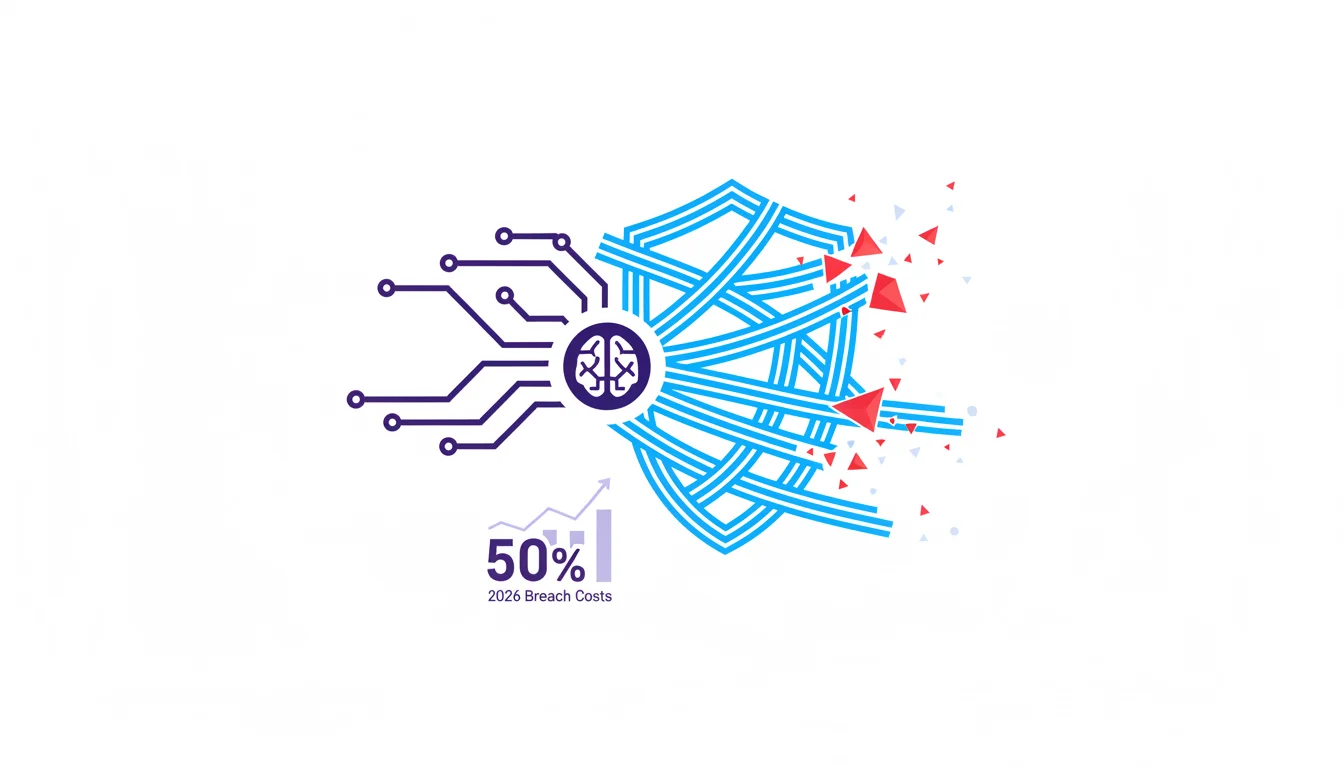
The digital battleground grows more complex each year. According to a 2023 Statista report, the average cost of a data breach globally reached $4.45 million, a figure that continues its upward trajectory. This isn’t just about financial loss. It is about reputational damage, operational disruption, and a complete erosion of trust. Traditional, signature-based security systems struggle to keep pace with polymorphic malware and zero-day exploits. Here’s where AI steps in, offering capabilities that go far beyond human capacity. AI algorithms can analyze vast datasets of network traffic, user behavior, and threat intelligence at speeds impossible for human analysts. They identify subtle anomalies, predict potential attack vectors, and automate responses, often before a human even recognizes a problem. Consider the advancements in machine learning for detecting phishing attempts: instead of relying on a static list of known malicious URLs, AI models learn patterns in email headers, sender behavior, and content to flag novel threats. This predictive power is a big deal for threat prevention. When we talk about AI cybersecurity, we’re discussing systems that learn, adapt, and proactively defend, moving from reactive defense to anticipatory security.
Crafting PPC Content for AI Cybersecurity Solutions
Effective PPC campaigns for AI cybersecurity and threat prevention demand content that educates, persuades, and instills confidence. Your content strategy must acknowledge the varied levels of understanding your audience possesses regarding both AI and cybersecurity. It’s a mistake to assume everyone speaks the same technical language. Begin by segmenting your audience. Are you targeting CISOs of large enterprises, IT managers of mid-sized companies, or small business owners with limited technical staff? Each segment requires a different message and approach. For a CISO, content might focus on ROI, regulatory compliance, and integration with existing infrastructure. For a small business owner, the emphasis shifts to ease of use, affordability, and the core benefit of protection without complexity. Your PPC ad copy should be concise and compelling, driving users to landing pages that offer deeper insights. For example, an ad might highlight “AI-Powered Ransomware Protection,” leading to a page detailing how your solution uses machine learning to identify and neutralize ransomware threats before encryption occurs. On that landing page, you should offer a clear value proposition, case studies (even if anonymized to protect client privacy), and calls to action. A strong call to action isn’t just “Contact Us”. It could be “Download Our Latest Threat Report,” “Request a Personalized Demo,” or “Calculate Your Breach Risk.” We’ve seen conversion rates jump by 15% when calls to action are specific and value-driven, rather than generic.
Keyword Strategy and Campaign Structure
A strong keyword strategy is the backbone of any successful PPC campaign, particularly in a specialized field like AI cybersecurity. Don’t just target broad terms like “cybersecurity.” Drill down into long-tail keywords that reflect user intent and specific problems they’re trying to solve. Think “AI email security for finance,” “machine learning anomaly detection software,” or “predictive threat intelligence platforms.” These keywords might have lower search volume, but they often carry higher intent, leading to better conversion rates. Structure your PPC campaigns around these specific problem-solution pairings. Use distinct ad groups for different threat vectors or AI capabilities. For instance, one ad group could focus on “AI endpoint detection and response” with corresponding ads and landing pages, while another targets “AI cloud security posture management.” This granular approach ensures your ads are highly relevant to the search query, improving quality scores and reducing cost per click. Use negative keywords aggressively. You want to exclude searches for “free AI cybersecurity tools” if you offer enterprise solutions, or “AI cybersecurity jobs” if you’re selling a product. Regularly review search term reports to identify new negative keywords and uncover unexpected opportunities. Google Ads offers tools like the Keyword Planner, which can help uncover relevant long-tail variations and estimate their traffic potential. Consider using Google Ads Performance Max campaigns. These campaigns allow advertisers to consolidate their automation settings and reach customers across all Google channels, including Search, Display, YouTube, Gmail, and Discover. The key is to provide high-quality assets (headlines, descriptions, images, videos) and clearly define your conversion goals. With Performance Max, the AI handles much of the optimization, but your initial inputs are paramount. Without strong, differentiated content assets, even the most advanced AI can’t generate compelling ads.
Measuring Success and Iterating Campaigns
The real work in PPC begins after launch. Continuous monitoring and iteration are essential for maximizing ROI in AI cybersecurity campaigns. Key performance indicators (KPIs) extend beyond simple clicks and impressions. You need to track conversions, cost per conversion, and in the end, the quality of leads generated. Are the leads from your “AI threat prevention” campaign turning into qualified sales opportunities? Tools like Google Analytics 4 (GA4) are indispensable for understanding user behavior on your landing pages. Track bounce rates, time on page, and conversion paths. If users are dropping off immediately, your content might not be engaging or relevant enough. A/B test different headlines, ad copy variations, and landing page layouts. Even subtle changes, like a different call to action button color, can impact conversion rates. Another critical aspect is attribution modeling. In the complex sales cycle of AI cybersecurity, a single click rarely leads directly to a sale. Users might interact with multiple touchpoints over weeks or months. Understanding which touchpoints contribute most to a conversion allows you to allocate budget more effectively. Are your initial “awareness” campaigns on the Google Display Network contributing to later conversions from search ads? Modern attribution models within Google Ads can provide these insights, moving beyond simple last-click attribution. Finally, stay informed about the latest threats and AI advancements. The cybersecurity field changes daily, and your content must reflect this dynamism. Regularly update your landing pages, case studies, and ad copy to address new vulnerabilities or highlight new features of your AI solution. A static content strategy in a dynamic field is a recipe for irrelevance, and frankly, a waste of ad spend. I’ve personally seen campaigns lose effectiveness quickly when they fail to adapt to new threat intelligence or product updates.
Content Syndication and Retargeting Strategies
Your expertly crafted AI cybersecurity content shouldn’t just live on your landing pages. Maximize its reach through strategic syndication and retargeting efforts. Content syndication involves publishing your articles, whitepapers, and webinars on third-party platforms, industry publications, or partner websites. This expands your audience beyond those actively searching for your keywords, introducing your brand to new prospects who are already engaged with cybersecurity topics. When syndicating, ensure you maintain canonical tags if publishing full articles to avoid duplicate content penalties from search engines. Retargeting is perhaps the most powerful tool in your PPC arsenal for complex B2B sales. Not every visitor to your landing page will convert on their first visit, especially for high-value AI cybersecurity solutions. Users often need time to research, compare, and get internal buy-in. Retargeting allows you to serve targeted ads to these individuals as they browse other websites or use social media platforms. Segment your retargeting audiences based on their engagement. Did they just visit your homepage? Did they download a whitepaper? Did they watch a demo video? Each segment should receive a tailored message. For someone who downloaded a whitepaper on “AI-Powered Threat Detection,” your retargeting ad might offer a free consultation or a more in-depth case study. For those who merely visited a product page, an ad highlighting a key benefit or a customer testimonial might be more effective. Allocate a significant portion of your PPC budget, I’d say at least 25%, to strong retargeting campaigns. It’s often where the conversion magic happens for considered purchases like AI cybersecurity solutions. The convergence of AI and cybersecurity offers unparalleled protection against a changing threat field. For marketers, understanding this teamwork is paramount to crafting effective PPC content that not only attracts attention but also drives meaningful engagement and conversions. By focusing on targeted content, precise keyword strategies, and continuous optimization, businesses can effectively communicate the value of their AI cybersecurity solutions for strong threat prevention.
What is the primary benefit of AI in cybersecurity threat prevention?
The primary benefit of AI in cybersecurity threat prevention is its ability to analyze vast amounts of data, identify subtle anomalies, and predict potential attacks in real-time, often before human analysts can detect them, thereby enabling proactive defense against sophisticated threats like zero-day exploits.
How can I segment my audience for AI cybersecurity PPC campaigns?
Segment your audience based on their role (e.g., CISO, IT Manager, small business owner), company size, industry, and their current understanding of AI and cybersecurity, tailoring your messaging and content to address their specific pain points and technical proficiency.
What kind of keywords should I target for AI cybersecurity threat prevention PPC?
Focus on long-tail keywords that reflect specific user intent and problems, such as “AI email security for healthcare,” “machine learning ransomware detection,” or “predictive cloud security platforms,” rather than broad, generic terms.
Why is retargeting important for AI cybersecurity PPC campaigns?
Retargeting is important because the sales cycle for AI cybersecurity solutions is often long and complex. It allows you to re-engage users who have previously shown interest, delivering tailored messages that move them further down the sales funnel, even if they didn’t convert on their first visit.
How often should I update my AI cybersecurity content for PPC campaigns?
Given the rapid evolution of the cybersecurity threat field and AI advancements, you should audit and update your AI cybersecurity content, including landing pages, case studies, and ad copy, at least every six months to ensure accuracy, relevance, and continued effectiveness.


