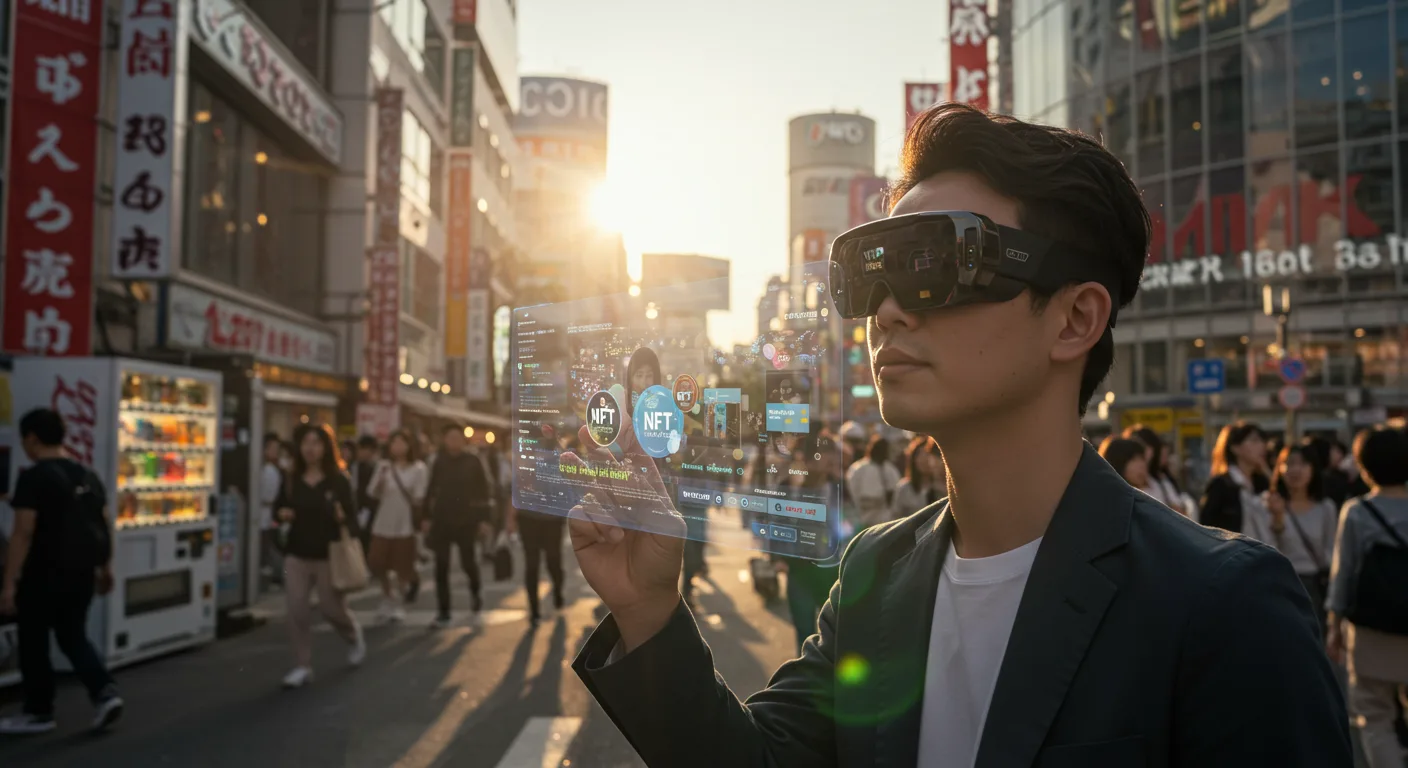
The marketing world never stands still. To stay ahead, we must constantly be exploring cutting-edge trends and emerging technologies. We need to understand how they impact our strategies and audience engagement. But with so much information out there, how do you separate the signal from the noise and focus on what truly matters for your business?
Decoding the Metaverse and Web3 for Marketing Success
The terms Metaverse and Web3 are thrown around a lot, but what do they actually mean for marketers in 2026? The metaverse, in its simplest form, is an immersive, shared digital world. Web3, on the other hand, is a decentralized internet built on blockchain technology. While still evolving, both offer exciting new avenues for reaching and engaging with customers.
Here’s how marketers can leverage these technologies:
- Virtual Experiences: Create interactive product demos, virtual store tours, or branded events within metaverse platforms. This allows customers to experience your brand in a unique and memorable way. Consider partnering with established metaverse platforms to gain access to their existing user base.
- NFTs and Tokenization: Non-fungible tokens (NFTs) can be used to reward loyal customers, grant access to exclusive content, or represent ownership of digital or physical assets. Tokenization can also be used to create community-driven marketing campaigns where customers earn tokens for their engagement.
- Decentralized Communities: Web3 enables the creation of decentralized autonomous organizations (DAOs) where community members can participate in decision-making processes related to marketing campaigns and product development. This fosters a sense of ownership and builds stronger brand loyalty.
However, it’s important to approach the metaverse and Web3 with a strategic mindset. Don’t jump on the bandwagon just because it’s trendy. Conduct thorough research, identify your target audience, and develop a clear value proposition before investing in these technologies. Consider the regulatory landscape, which is still developing around Web3 technologies.
According to a recent report by Gartner, 25% of people will spend at least one hour a day in the metaverse by 2026, highlighting the growing importance of this space for marketers.
Harnessing the Power of AI-Driven Personalization
AI-driven personalization is no longer a futuristic concept; it’s a marketing necessity. Artificial intelligence (AI) can analyze vast amounts of data to understand customer behavior, preferences, and needs, enabling marketers to deliver highly targeted and relevant experiences.
Here are some ways to implement AI-driven personalization:
- Personalized Website Content: Use AI to dynamically adjust website content based on user demographics, browsing history, and purchase behavior. For example, if a user has previously viewed a specific product category, showcase similar products or offer personalized recommendations.
- AI-Powered Email Marketing: Leverage AI to optimize email subject lines, send times, and content based on individual user preferences. AI can also be used to segment your email list and create targeted campaigns for different customer groups. HubSpot offers robust AI-powered email marketing tools.
- Chatbot Marketing: Deploy AI-powered chatbots to provide instant customer support, answer frequently asked questions, and guide users through the sales funnel. Chatbots can also collect valuable data about customer preferences and pain points.
- Predictive Analytics: Use AI to predict customer churn, identify potential leads, and forecast future sales. This allows you to proactively address customer needs and optimize your marketing campaigns for maximum impact.
However, it’s crucial to be transparent about how you’re using AI to personalize the customer experience. Customers are more likely to embrace personalization if they understand how it benefits them. Make sure your privacy policy is clear and concise, and give customers the option to opt out of personalization if they choose. Respect user data and comply with all relevant privacy regulations.
The Evolution of Audience Targeting Strategies
Effective audience targeting remains the cornerstone of any successful marketing campaign. However, the strategies and technologies used for targeting are constantly evolving. With increasing concerns about data privacy and the deprecation of third-party cookies, marketers need to adopt new and innovative approaches.
Here are some key trends in audience targeting:
- First-Party Data: Focus on collecting and leveraging first-party data directly from your customers. This includes data collected through website interactions, email subscriptions, loyalty programs, and customer surveys. First-party data is more accurate, reliable, and compliant with privacy regulations.
- Contextual Targeting: Target users based on the content they are currently consuming. This approach is less reliant on personal data and more focused on relevance. For example, if a user is reading an article about fitness, you can target them with ads for athletic apparel or gym memberships.
- Privacy-Enhancing Technologies (PETs): Explore PETs such as differential privacy, homomorphic encryption, and secure multi-party computation to protect user privacy while still enabling effective targeting. These technologies allow you to analyze data without revealing individual identities.
- AI-Powered Lookalike Audiences: Use AI to identify users who share similar characteristics with your existing customers. This allows you to expand your reach and target new audiences who are likely to be interested in your products or services.
The key to successful audience targeting in 2026 is to prioritize data privacy, transparency, and relevance. By focusing on first-party data, contextual targeting, and privacy-enhancing technologies, you can build trust with your customers and deliver more effective marketing campaigns.
Mastering Omnichannel Marketing in a Fragmented World
In today’s fragmented media landscape, customers interact with brands across a multitude of channels. Omnichannel marketing is about creating a seamless and consistent customer experience across all touchpoints, whether it’s your website, social media, email, mobile app, or physical store.
Here’s how to implement an effective omnichannel marketing strategy:
- Centralize Your Data: Integrate all your customer data into a single platform to gain a holistic view of each customer’s journey. Salesforce is a popular CRM that helps businesses centralize customer data.
- Personalize the Experience: Use customer data to personalize the experience across all channels. For example, if a customer abandons a shopping cart on your website, send them a personalized email with a reminder and a special offer.
- Optimize for Mobile: Ensure that your website, email, and other marketing materials are optimized for mobile devices. Mobile devices are often the primary point of contact for many customers.
- Track and Measure Results: Use analytics to track the performance of your omnichannel marketing campaigns and identify areas for improvement. Measure key metrics such as customer engagement, conversion rates, and customer lifetime value. Google Analytics is a powerful tool for tracking website and app performance.
The goal of omnichannel marketing is to create a unified and cohesive brand experience that resonates with customers regardless of the channel they’re using. This requires a deep understanding of customer behavior, a robust technology infrastructure, and a commitment to continuous optimization.
The Rise of Immersive Technologies in Marketing
Beyond the metaverse, other immersive technologies are poised to transform the marketing landscape. Augmented reality (AR), virtual reality (VR), and mixed reality (MR) offer marketers new ways to engage with customers and create memorable brand experiences.
Here are some examples of how immersive technologies are being used in marketing:
- AR Product Demos: Allow customers to virtually try on clothes, place furniture in their homes, or visualize products in their environment using AR apps. This enhances the shopping experience and reduces the risk of returns.
- VR Brand Experiences: Create immersive VR experiences that transport customers to different locations, showcase your products in a unique way, or tell your brand story in a compelling manner.
- Interactive Storytelling: Use MR to create interactive storytelling experiences that blend the physical and digital worlds. This allows customers to become active participants in the narrative and forge a deeper connection with your brand.
To effectively leverage immersive technologies, it’s important to focus on creating experiences that are both engaging and valuable. Don’t just create immersive experiences for the sake of it. Make sure they provide a clear benefit to the customer, such as enhanced product information, personalized recommendations, or a unique entertainment experience. Consider the accessibility of these technologies. While adoption is growing, not everyone has access to VR or AR devices.
What are the biggest risks of investing in emerging marketing technologies?
The biggest risks include overspending on unproven technologies, failing to align technology with business goals, and neglecting data privacy and security concerns. Thorough research and a pilot program are essential.
How can I measure the ROI of my marketing technology investments?
Establish clear metrics upfront, such as increased website traffic, lead generation, conversion rates, and customer satisfaction. Track these metrics before and after implementing the new technology to assess its impact.
What skills are most important for marketers to develop in 2026?
Data analysis, AI literacy, and creativity are crucial. Marketers need to be able to interpret data, understand how AI works, and develop innovative strategies to engage with customers in a rapidly changing landscape.
How do I stay updated on the latest marketing trends and technologies?
Follow industry blogs, attend conferences, and participate in online communities. Continuously learning and experimenting is the best way to stay ahead of the curve.
Is it worth investing in the metaverse for marketing in 2026?
It depends on your target audience and business goals. If your audience is active in the metaverse, it can be a valuable channel for reaching and engaging with them. However, it’s important to approach the metaverse with a strategic mindset and a clear value proposition. Don’t invest just because it’s a trend.
Exploring cutting-edge trends and emerging technologies is vital for marketers in 2026. We’ve covered key areas like the metaverse, AI-driven personalization, audience targeting, omnichannel strategies, and immersive technologies. The key takeaway? Stay informed, experiment strategically, and prioritize customer experience. By embracing these trends, you can unlock new opportunities for growth and build stronger relationships with your audience. Start by identifying one technology that aligns with your goals and begin experimenting today.




