 By Editorial Team
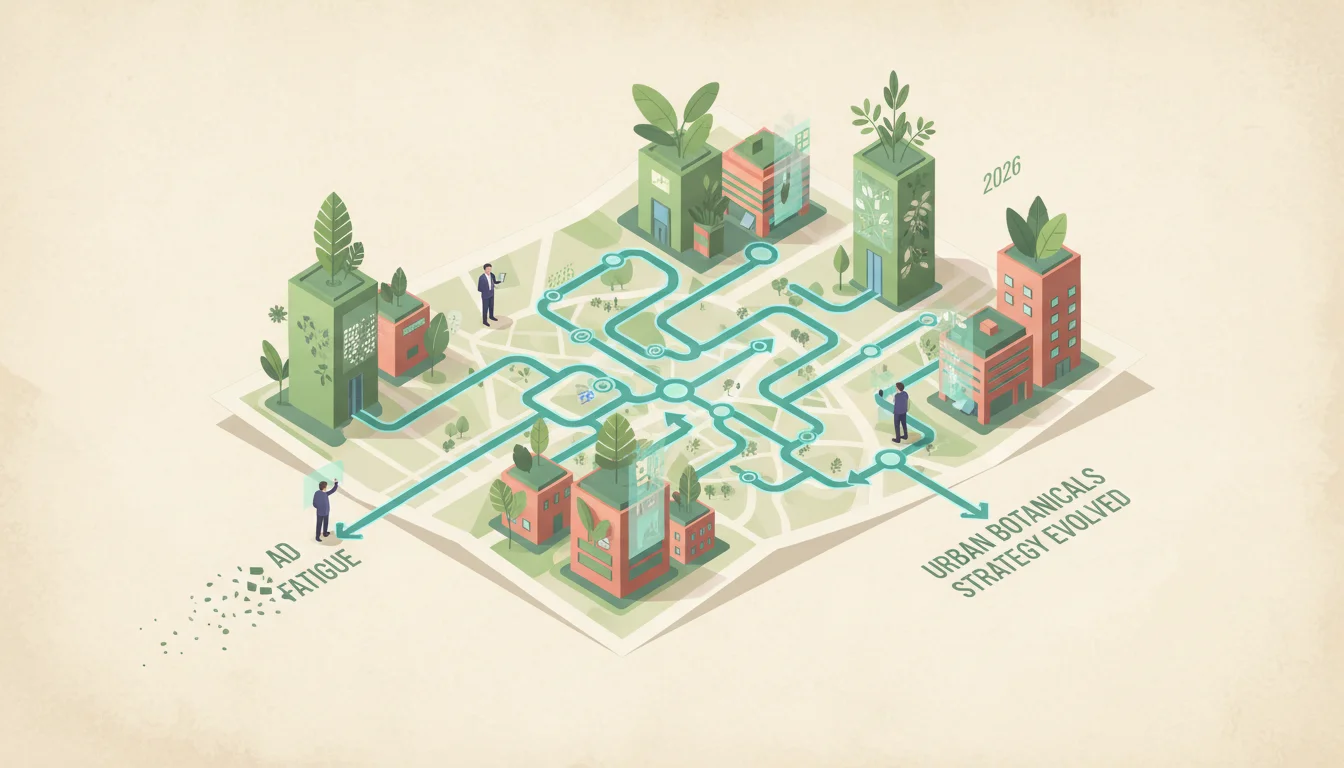
Even the most compelling ad creative can lose its punch. When audiences see the same message too many times, they become desensitized, leading to diminishing returns on ad spend. This phenomenon, known as ad fatigue, demands a proactive approach to creative refresh to maintain strong PPC performance. But how do you identify it, and what does a successful refresh look like in practice?
Key Takeaways
- Monitor weekly or bi-weekly CTR and conversion rate declines as primary indicators of ad fatigue within specific audience segments
- Implement a structured creative testing framework, dedicating 20-30% of your ad budget to new variations and messaging angles
- Refresh ad creative every 4-6 weeks for high-volume campaigns, especially those targeting broad or evergreen audiences
- Use dynamic creative optimization features on platforms like Google Ads and Meta Ads to automate personalized ad delivery
- Analyze creative performance at the asset level (images, headlines, descriptions) to pinpoint specific elements causing or preventing fatigue
Deconstructing a Q1 2026 E-commerce Campaign: The Case of “Urban Botanicals”
Let’s examine a recent e-commerce campaign I managed for “Urban Botanicals,” a brand specializing in unique indoor plant subscriptions. Our goal for Q1 2026 was to increase new subscriber acquisition by 25% compared to the previous quarter, maintaining a target Cost Per Lead (CPL) under $15 and a Return on Ad Spend (ROAS) of 3.0x or higher. The campaign ran from January 1st to March 31st, focusing heavily on Meta Ads (Meta Business Help Center) and Google Ads (Google Ads documentation).
Initial Strategy and Creative Approach (January)
Our initial strategy involved a multi-pronged approach. On Meta, we targeted lookalike audiences of existing subscribers and broad interest-based segments (e.g., “gardening,” “home decor,” “sustainable living”). Google Ads focused on branded keywords, competitor terms, and broad match modified keywords like “+indoor +plants +subscription.”
The initial creative set, deployed across both platforms, featured high-quality lifestyle imagery of plants in modern home settings. Headlines emphasized the convenience and aesthetic appeal of a subscription. For instance:
- Meta Ad Copy Example 1: “Transform Your Space with Fresh Greens Delivered Monthly. Get Your First Box 50% Off!” (Image: stylish living room with a large, lively plant)
- Google Responsive Search Ad (RSA) Headlines: “Indoor Plant Subscriptions,” “Curated Plant Boxes,” “Home Decor Upgrade,” “Delivered to Your Door.”
Our budget for the quarter was $75,000, allocated roughly 60% to Meta and 40% to Google. Over the first three weeks of January, performance was stellar:
| Metric | January 1-21 (Meta Ads) | January 1-21 (Google Ads) |
|---|---|---|
| Impressions | 1,200,000 | 850,000 |
| CTR | 3.8% | 6.1% |
| CPL | $12.50 | $10.80 |
| Conversions (Subscriptions) | 320 | 280 |
| ROAS | 3.5x | 4.2x |
The Onset of Ad Fatigue (February)
By the second week of February, we began to see the tell-tale signs of ad fatigue. While impressions remained high, our Click-Through Rate (CTR) and conversion rates started to dip. This was particularly noticeable in our Meta Ads campaigns targeting the broader interest-based segments. The lookalike audiences, with their inherent novelty, showed a slower decline, but it was still present.
We saw a 15% decrease in Meta Ads CTR and a 10% increase in CPL between the last week of January and the second week of February. Google Ads, which relies more on intent-driven search, experienced a milder impact, but even there, our competitor campaigns saw a slight bump in Cost Per Click (CPC) and a small dip in conversion rate, indicating audience desensitization.
This is where disciplined monitoring becomes critical. Many marketers overlook subtle shifts, only reacting when performance has tanked completely. Identifying these early warning signs allowed us to pivot quickly. We had a standing weekly check-in where we reviewed these metrics, and the trend was undeniable.
The Creative Refresh Strategy (Late February)
Our response involved a multi-faceted creative refresh, implemented in stages starting February 20th. We operated on the principle that a refresh isn’t just about new images. It’s about new angles, new value propositions, and new ways to engage. We allocated approximately 25% of our weekly ad budget to testing new creative variations, a practice I strongly advocate for. This ensures you always have fresh creative in the pipeline without completely disrupting established performers.
Meta Ads Refresh:
- New Visuals: We introduced user-generated content (UGC) style videos showing unboxing experiences and plants thriving in real homes. These often perform better than polished studio shots because they feel more authentic. We also experimented with infographic-style images highlighting the benefits of specific plant varieties.
- Messaging Shift: Instead of just “transform your space,” we focused on problem/solution angles. “Tired of bland home decor? Our monthly plant box brings life to any room.” We also introduced urgency with limited-time offers for specific plant types.
- Ad Format Diversification: Beyond single images and videos, we launched carousel ads showing different plant options within a subscription box, and collection ads linking directly to product pages.
- Audience Segmentation: For audiences showing the most severe fatigue, we paused the worst-performing ads and introduced completely new creative sets designed to re-engage them with a fresh perspective.
Google Ads Refresh:
- Responsive Search Ads (RSAs) Optimization: We added new headlines and descriptions to our existing RSAs, focusing on seasonal relevance (e.g., “Spring Plant Delivery,” “Boost Your Mood with Greenery”). We also pinned high-performing headlines to specific positions to ensure maximum visibility for our strongest value propositions.
- Display Ads: For our Google Display Network (GDN) campaigns, we rolled out new image and HTML5 banner sets. These included testimonials and before-and-after visuals (e.g., a dull corner transformed by a plant). We also leveraged Google’s Dynamic Creative Optimization (DCO) features to automatically combine different headlines, descriptions, images, and calls to action based on user context.
Results Post-Refresh (March)
The creative refresh yielded positive results, particularly on Meta Ads where the fatigue was most pronounced. By the end of March, we saw a significant recovery in performance:
| Metric | February 1-15 (Meta Ads) | March 1-15 (Meta Ads) |
|---|---|---|
| Impressions | 1,400,000 | 1,550,000 |
| CTR | 3.2% | 4.0% |
| CPL | $14.80 | $12.00 |
| Conversions (Subscriptions) | 280 | 390 |
| ROAS | 2.8x | 3.7x |
The new UGC videos on Meta specifically achieved a 20% higher CTR than our previous static images, and their CPL was consistently 18% lower. The shift in messaging to highlight emotional benefits resonated more deeply. On Google Ads, the updated RSA headlines and display banners contributed to a steady CPL and an overall ROAS of 4.0x for the month of March, exceeding our target.
One interesting finding was the performance of a specific headline on Google RSAs: “Sustainable & Eco-Friendly Plants.” This headline, when combined with images of recycled packaging, drove a 15% higher conversion rate for a segment of our audience. It proved that sometimes the message needs to shift to a different core value proposition to re-engage.
Optimization Steps and Continuous Testing
This experience reinforced a core principle: creative refresh is not a one-time fix but an ongoing process. We implemented a system where we would typically refresh our highest-volume Meta ad sets every 4-6 weeks with entirely new creative concepts. For Google Display, we aimed for a similar cadence. Search ads, while less prone to visual fatigue, still benefit from regular headline and description updates, especially with seasonal or promotional changes.
We also started using Meta’s A/B testing features more aggressively to compare new creative against existing top performers. This allowed us to scientifically determine which new variations truly moved the needle. One critical lesson learned was the importance of asset-level reporting. Instead of just looking at ad-level performance, we drilled down into which specific images, videos, headlines, and calls to action were contributing to fatigue or driving success. This granular data from platforms like Meta Ads Manager and Google Ads’ asset reports is gold.
For instance, we found that certain green-themed images, while aesthetically pleasing, had a lower CTR compared to images featuring people interacting with plants. This informed our future creative briefs: less focus on abstract beauty, more on human connection and aspiration. According to a eMarketer report, digital ad spending continues to climb, emphasizing the need for creative differentiation to capture attention in a crowded market.
Another important step was segmenting our audience not just by demographics or interests, but by their exposure to our ads. We created custom audiences of people who had seen our ads X number of times in a given period and tested completely different creative on them, sometimes even shifting the product focus slightly. This isn’t about hiding your ads. It’s about presenting a new facet of your brand.
I cannot stress enough the value of diversifying your creative formats. If you’re only running static images, introduce video. If you’re only running short videos, try long-form. The variety itself can combat fatigue. Interactive ads, where available, also show promise for breaking through the noise.
The ability to adapt quickly to performance shifts is what separates effective campaigns from those that bleed budget. Ad fatigue is an unavoidable reality in digital advertising, but with proactive monitoring, systematic creative testing, and a commitment to continuous refresh, you can sustain strong PPC performance and achieve your marketing objectives. The key is to see your creative as a living, evolving entity, not a static asset. For further insights into maximizing your advertising efforts, consider how AI attribution can maximize ROI by providing deeper insights into campaign effectiveness. Understanding your brand differentiation strategy also plays an important role in standing out in a crowded market and preventing ad fatigue in the long run.
How often should I refresh my ad creative?
For high-volume campaigns targeting broad or evergreen audiences, refreshing ad creative every 4-6 weeks is a good baseline. Niche audiences or campaigns with lower impression volume might tolerate a longer cycle, while aggressively scaled campaigns could require weekly or bi-weekly changes.
What are the primary indicators of ad fatigue?
Key indicators include a noticeable decline in Click-Through Rate (CTR) and conversion rate, an increase in Cost Per Click (CPC) or Cost Per Acquisition (CPA), and a drop in ad relevance scores, all while impression volume remains constant or increases.
What types of creative elements are most effective in combating ad fatigue?
Diversifying your creative elements is important. This includes introducing new imagery (e.g., user-generated content, lifestyle shots, infographics), varying video lengths and styles, experimenting with different headlines and calls to action, and exploring new ad formats like carousels, collections, or interactive polls.
Should I pause all old ads when I introduce new creative?
Not necessarily. It’s often more effective to gradually introduce new creative while simultaneously pausing the lowest-performing older ads. This allows you to maintain campaign stability and gather data on the new creative’s performance without a complete overhaul. A structured A/B testing approach helps here.
Can dynamic creative optimization (DCO) help with ad fatigue?
Yes, DCO tools on platforms like Google Ads and Meta Ads are excellent for combating fatigue. They automatically combine different creative assets (headlines, images, descriptions) to create personalized ad variations for individual users, ensuring a fresh and relevant experience for a longer period. This personalization reduces the chance of a single ad concept becoming stale.


