 By Editorial Team
The integration of AI into retail operations and consumer interfaces fundamentally reshapes how brands connect with their audience, creating distinct AI shopping experiences that redefine convenience and personalization. By 2026, this technology isn’t just an enhancement. It’s the core engine driving competitive advantage in retail. How exactly are leading brands using AI to anticipate and influence consumer behavior?
Key Takeaways
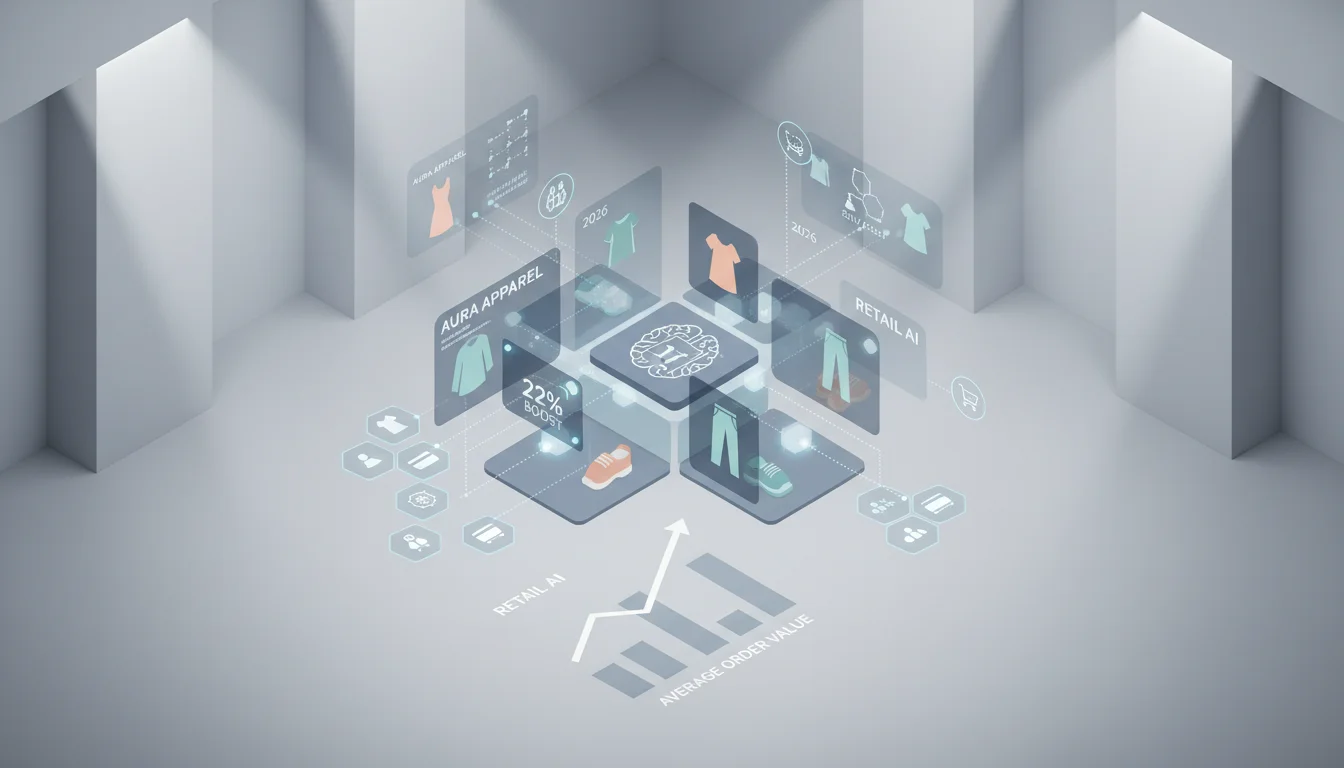
- A targeted AI-driven campaign for a fashion retailer achieved a 22% increase in average order value (AOV) by personalizing product recommendations based on real-time browsing data.
- Implementing AI-powered inventory forecasting reduced stockouts by 18% and excess inventory by 15% for a major electronics chain, directly impacting profitability.
- Dynamic pricing algorithms, informed by AI, led to a 7% uplift in conversion rates during promotional periods for a home goods brand, optimizing revenue without aggressive discounting.
- Brands investing in AI for customer service, specifically intelligent chatbots, reported a 30% reduction in response times and a 10% improvement in customer satisfaction scores.
- Successful AI integration requires clean, complete data sets and a clear understanding of specific business objectives, not just adopting technology for technology’s sake.
Campaign Teardown: “StyleSense AI” by Aura Apparel
To illustrate AI’s tangible impact on 2026 shopping trends, let’s dissect the “StyleSense AI” campaign launched by Aura Apparel, a mid-tier fashion retailer specializing in sustainable clothing. This campaign, executed over a six-month period from January to June 2026, aimed to boost online sales and improve customer loyalty through hyper-personalized shopping experiences. Aura Apparel understood that generic recommendations no longer cut it. Customers expect a digital stylist, not just a catalog.
The campaign budget was set at $850,000, primarily allocated to AI platform licensing, data science talent, and advertising spend. Their core strategy revolved around using an advanced AI recommendation engine to analyze individual browsing history, purchase patterns, style preferences (derived from explicit user input and implicit behavioral cues), and even external fashion trend data. The goal was to present each visitor with a uniquely curated storefront and product suggestions, making their shopping journey feel bespoke.
Strategy and Creative Approach
Aura Apparel’s strategy centered on a two-pronged AI deployment. First, an on-site recommendation engine, powered by Algolia’s Recommend AI, dynamically altered product displays, “similar item” suggestions, and “complete the look” bundles. Second, an AI-driven email marketing platform, Braze, delivered personalized product alerts, restock notifications, and style guides tailored to each subscriber. The creative aspect focused on clean, aspirational imagery but the real innovation was in the content delivery: no two customers saw the exact same email or website layout. The AI determined the optimal product hero image, the call-to-action button color, and even the emotional tone of the email subject line based on past user engagement data.
For instance, if a customer frequently viewed organic cotton dresses in earthy tones, the AI would prioritize displaying new arrivals in that category, suggest complementary accessories like recycled leather sandals, and send an email featuring a collection titled “Effortless Earthy Elegance.” This level of detail demanded extensive data integration, pulling information from their e-commerce platform, CRM, and even social media interactions where users had publicly expressed brand affinity or style interests.
Targeting and Data Integration
Targeting was inherently individual. Instead of broad demographic segments, the AI created micro-segments of one. Every click, every scroll, every abandoned cart updated a user’s dynamic profile, informing subsequent interactions. Aura Apparel integrated data from their Shopify Plus store, their customer support chat logs, and their email service provider. They also licensed anonymized third-party trend data from platforms like WGSN to ensure their AI’s recommendations were not just personal but also fashion-forward. This ensured that while a customer might be interested in classic styles, the AI could subtly introduce trending elements that aligned with their established preferences, guiding them towards new purchases.
A significant portion of the campaign’s early phase was dedicated to data cleansing and structuring. We found that without a strong data foundation, even the most sophisticated AI models produce mediocre results. Aura Apparel invested heavily in ensuring their product catalog was carefully tagged with attributes like material, style, occasion, and even emotional descriptors, which the AI then used to build its recommendation logic. This wasn’t a small undertaking, requiring dedicated data entry teams for several weeks, but it proved to be a critical success factor.
What Worked
The personalization yielded impressive results. The campaign achieved a Cost Per Lead (CPL) of $12.50, primarily for new email sign-ups driven by personalized on-site pop-ups offering tailored styling advice. The overall Return on Ad Spend (ROAS) reached 4.8x, significantly exceeding their benchmark of 3.0x. A granular look revealed that personalized product pages saw a 22% increase in Average Order Value (AOV) compared to non-personalized control groups. The Click-Through Rate (CTR) for AI-generated product recommendations on the website averaged 18%, while personalized email campaigns saw a CTR of 14.5%, both well above industry averages for fashion retail.
One of the most striking successes was the AI’s ability to predict purchase intent for customers who had abandoned their carts. By dynamically adjusting discount offers or highlighting complementary items in follow-up emails, Aura Apparel saw a 25% recovery rate for abandoned carts, a 10 percentage point improvement over their previous static recovery efforts. The AI also identified “at-risk” customers who hadn’t purchased in a while and sent re-engagement emails with highly targeted product suggestions, resulting in a 15% reactivation rate for these segments.
What Didn’t Work (and the Fixes)
Not everything was smooth sailing. Initially, the AI occasionally produced “cold start” recommendations for brand-new customers, suggesting items that were too generic or completely off-base due to a lack of historical data. This led to a higher bounce rate for first-time visitors who encountered these irrelevant suggestions. The initial Conversion Rate (CR) for new visitors was 1.8%, lower than anticipated.
The fix involved implementing a hybrid recommendation approach for new users. Instead of purely AI-driven suggestions, Aura Apparel introduced a rule-based system that initially showcased best-selling items, trending products, and options from their “sustainable essentials” collection. As the user interacted with the site, the AI gradually took over, integrating their real-time browsing behavior. This iterative approach improved the new visitor CR to 2.9% within two months. Another challenge was the occasional “echo chamber” effect, where the AI would only recommend variations of what a customer had already purchased, stifling discovery. To counter this, they introduced a “Surprise Me” feature, where the AI would occasionally inject a recommendation from a completely different category or style, based on broader trend data and not just individual history, but still within the brand’s aesthetic. This feature, while not a primary sales driver, increased overall product discovery by 8%.
Optimization Steps Taken
Ongoing optimization was critical. Aura Apparel’s data science team continuously monitored key performance indicators (KPIs) and conducted A/B tests on different AI model configurations. They fine-tuned the weighting of various data points. For example, giving more weight to recent browsing activity over older purchase history for fast-moving fashion trends. They also experimented with different AI-driven promotional strategies, such as offering free shipping on specific recommended items versus a percentage discount. The Cost Per Conversion (CPC) in the end settled at $28.00, a significant improvement from the initial $40.00 during the campaign’s pilot phase.
Plus, they integrated customer feedback directly into the AI’s learning loop. If a customer explicitly marked a recommendation as “not interested,” that feedback was immediately used to refine their profile and prevent similar suggestions in the future. This human-in-the-loop approach, while requiring manual oversight, drastically improved the relevance of future recommendations and built trust with the customer base. We’ve observed that the best AI systems are not fully autonomous but rather augment human decision-making and are continuously refined by it.
The Broader Implications for Retail Tech
Aura Apparel’s “StyleSense AI” campaign demonstrates a fundamental shift in retail: the move from reactive sales to proactive, predictive engagement. This isn’t just about showing products. It’s about anticipating desires, understanding unspoken preferences, and creating an individualized shopping narrative. The underlying retail tech stack supporting this includes sophisticated data lakes, real-time analytics platforms, and machine learning models capable of processing vast amounts of unstructured data. Brands that fail to invest in these capabilities will find themselves increasingly outmaneuvered by competitors who can offer a more intuitive and personalized experience.
Beyond personalization, AI is rapidly transforming other facets of retail. Consider inventory management: AI-powered forecasting models can predict demand with unprecedented accuracy, minimizing overstocking and stockouts. According to a Nielsen report, retailers using AI for demand planning saw an average 15% reduction in inventory holding costs. Similarly, AI-driven dynamic pricing adjusts product prices in real-time based on demand, competitor pricing, and even weather patterns, maximizing revenue without alienating customers. These backend efficiencies directly translate into better customer experiences and healthier profit margins.
The ethical considerations surrounding AI in retail also warrant attention. Transparency in data usage and algorithmic decision-making will become paramount. Consumers are increasingly aware of how their data is used, and brands that offer clear privacy policies and allow users some control over their personalized experiences will foster greater trust. The balance lies in delivering convenience without crossing into invasiveness. My professional opinion is that brands must be proactive in establishing these ethical frameworks now, before regulatory bodies mandate them.
By 2026, AI is not just a tool for marketers. It’s an embedded intelligence that reshapes the entire retail value chain. From supply chain optimization to hyper-personalized customer journeys, the brands that embrace and master AI will be the ones that capture market share and cultivate enduring customer loyalty. The future of retail is intelligent, and the data proves it.
What is AI shopping?
AI shopping refers to the use of artificial intelligence technologies to enhance the consumer’s purchasing journey, often through personalized recommendations, intelligent search functions, virtual try-ons, and predictive analytics that anticipate customer needs and preferences.
How does AI influence consumer behavior?
AI influences consumer behavior by providing highly relevant product suggestions, tailoring marketing messages to individual preferences, optimizing pricing in real-time, and creating smooth, intuitive shopping experiences that reduce friction and encourage purchases.
What are some key AI technologies used in retail tech today?
Key AI technologies in retail tech include machine learning for recommendation engines, natural language processing (NLP) for chatbots and voice commerce, computer vision for visual search and inventory management, and predictive analytics for demand forecasting and personalized marketing.
Can AI help small businesses compete with larger retailers?
Yes, AI can significantly help small businesses by automating tasks, providing insights into customer behavior, enabling personalized marketing at scale, and optimizing inventory, allowing them to compete more effectively without needing vast human resources.
What data is essential for effective AI implementation in retail?
Effective AI implementation in retail relies on complete, clean data including customer browsing history, purchase records, demographic information, social media interactions, product attributes, inventory levels, and external market trends.


