 By Editorial Team
The rush toward autonomous martech is happening fast. An IAB report just found that 68% of advertisers are already using AI for campaign optimization in at least one channel, a change that’s completely rearranging how PPC teams work and what skills they need. So where does that leave actual human experts in paid media?
Key Takeaways
- Because of autonomous martech, PPC teams are clawing back 30% of the time they used to waste on manual bid management, letting them focus on actual strategy and creative work.
- Job postings for PPC roles show a 45% jump in demand for data analysis skills in just two years, as the work shifts from just running campaigns to figuring out what the results mean.
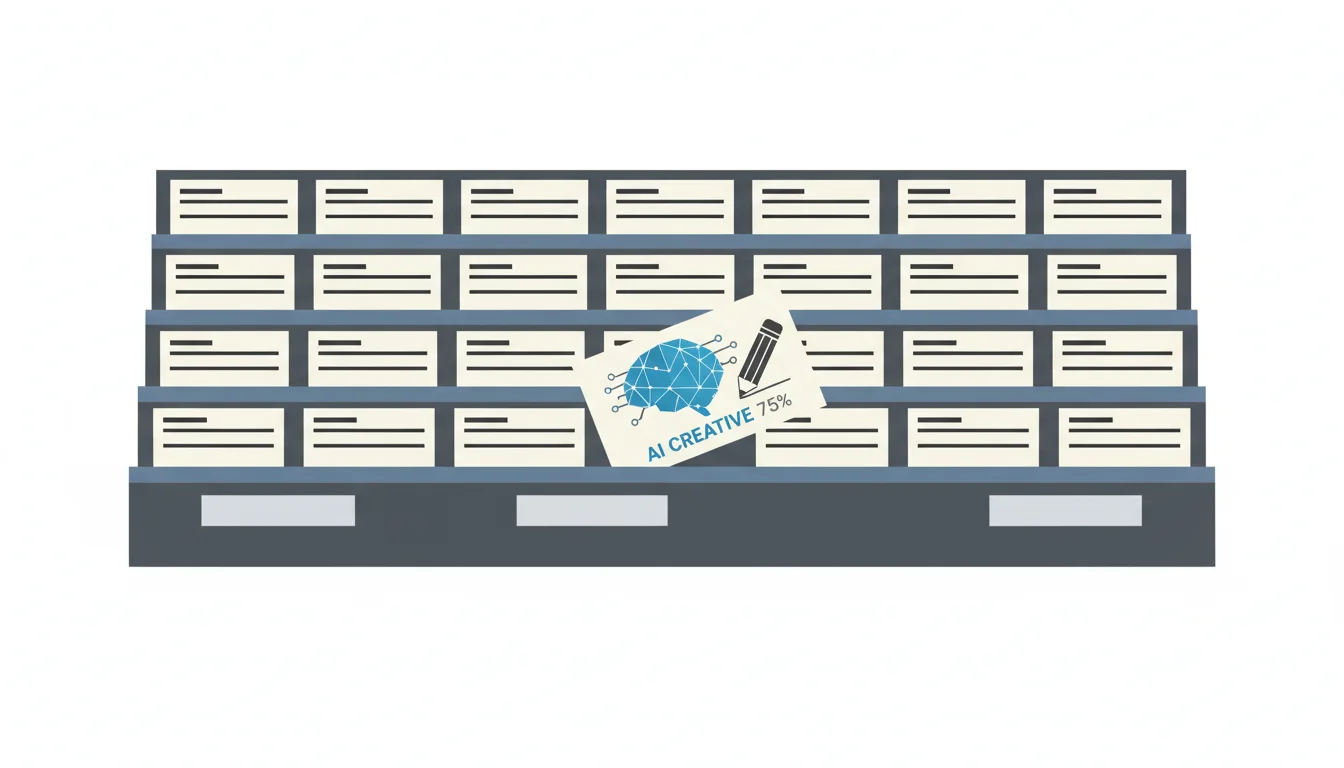
- By 2027, AI tools are expected to generate 75% of the first drafts of ad copy and visuals, which means human specialists will be needed more than ever to check for brand voice and cultural fit.
- Campaign setup is now 40% faster with these tools, giving PPC pros the breathing room to tackle harder problems instead of just doing data entry.
- The best results aren’t from full automation. Teams using a hybrid model with human strategy guiding the AI see a 20% higher ROI than teams going all-in on machines or doing everything by hand.
PPC Teams Spend 30% Less Time on Manual Bid Management
The first thing everyone notices with autonomous martech is how much time it saves on grunt work. An eMarketer study found that teams using AI for bidding are spending 30% less time on manual tweaks and optimizations. Think about that. A huge part of a PPC specialist’s day was once spent staring at keyword bids and performance data, making tiny adjustments. Now, standard platforms like Google Ads Smart Bidding handle those micro-optimizations faster than any person ever could. I’ve seen it firsthand with dozens of teams, this isn’t about people losing jobs. It’s about specialists finally having the time to work on bigger, more strategic problems like audience segmentation, crafting better creative tests, and long-term budget forecasting. The job is becoming less about execution and more about strategy.
Demand for Data Analysis Skills Surges by 45%
With the machines handling the “how,” the job of the PPC pro is now to answer “why.” According to HubSpot research, the demand for data analysis skills in PPC roles has shot up by 45% in the past two years. This is a huge shift from operator to analyst. When an AI is running the show, your job is to understand its decisions. Why did the algorithm suddenly start favoring a new keyword set? What’s the real story behind the performance data it’s spitting out? Is the machine’s definition of a “good” conversion actually helping the business’s bottom line? You have to be able to question the data, not just report on it. Knowing your way around tools like Google Analytics 4 and having a solid grasp of attribution modeling aren’t just nice-to-haves anymore. Simply knowing how to build a campaign is now the bare minimum. Your real value comes from interpreting what the automated system does and turning that data into a smarter strategy.
AI-Powered Creative Generation Projected to Produce 75% of Initial Ad Copy by 2027
Even creative, which we always thought was purely human, is being automated. The current projection is that by 2027, AI-powered tools will be drafting 75% of the initial ad copy and visual concepts. It’s already happening with tools that can spit out dozens of headline variations or suggest images based on past performance data. For PPC teams, this automates the drudgery of brainstorming. But this doesn’t make creative directors or copywriters obsolete. Their job just shifts to curation and quality control. An AI can generate fifty headlines, but it can’t tell you which three won’t sound tone-deaf or completely off-brand next week. The human expert is the final filter, the person who ensures the AI’s output feels authentic and actually connects with people, not just checks a performance box.
This new creative workflow also shows where specialized partners can help. If you’re struggling to produce enough fresh creative at scale while keeping it on-brand, a service like the Creator Network from Moburst is designed for this exact problem. They connect you with a network of actual content creators to generate a steady stream of high-quality ad creative without overwhelming your in-house team. It’s a practical way to get the volume you need for testing while making sure the final ads still have that human touch that AI-generated concepts often lack.
Autonomous Martech Reduces Campaign Setup Times by 40%
Another big win from autonomous martech is pure speed. On average, these tools are cutting campaign setup times by a whopping 40%. This speed comes from automating things like audience targeting suggestions, ad group creation, and CRM integrations. For example, launching a new campaign for a local store in a specific neighborhood like Buckhead, Atlanta, used to be a tedious, manual process of setting up hyper-local targeting and writing endless ad variations. Now, using AI-driven templates and recommendations, that same setup can take minutes. This speed lets PPC teams become much more reactive, able to jump on market changes or counter a competitor’s move almost instantly. It also frees up time to run more experimental campaigns, which is where you often find the biggest wins, and this directly improves how you manage your AI campaign budgets by getting learnings faster.
Hybrid Approach Yields 20% Higher ROI
The idea of a fully automated, “set it and forget it” PPC account is tempting, but the data shows it’s a mistake. Teams that use a hybrid approach, with a human strategist guiding the AI, get a 20% higher ROI than those who are either fully manual or fully automated. This is because an AI, for all its power, is blind to context. The human strategist is the one who knows to pause certain ads when a negative news story breaks, who understands the subtle brand sentiment in social media comments that an algorithm would misinterpret, or who can quickly adapt a campaign to new government regulations. The best PPC pros I know treat AI like an incredibly powerful assistant, not the boss. They let the machine handle the high-volume bidding and testing but they keep firm control over the overall strategy and budget. That’s the real sweet spot for performance, and it requires optimizing both your Google Ads bidding and understanding how smart bidding can boost ROAS.
So, autonomous martech isn’t coming for your job, it’s changing what your job is. The focus is shifting away from repetitive execution and toward high-level strategy, deep data analysis, and smart creative direction. The people who will succeed are the ones who learn to work *with* these AI tools, using their processing power to make their own human insights even more effective. Getting this balance right is the whole game when it comes to building out a modern AI authority content strategy.
What is autonomous martech in the context of PPC?
In PPC, autonomous martech means using AI-powered software to handle tasks that people used to do manually. Think of things like automated bidding in Google Ads, dynamic creative that assembles ads on the fly, and audience segmentation that finds new customers for you. It’s about letting the machine do the repetitive work with minimal supervision.
Will autonomous martech replace human PPC specialists?
No, but it’s definitely changing the job description. If your main value is just manually adjusting bids and setting up campaigns, you’re at risk. The role is shifting toward strategy, data interpretation, and creative direction. AI is becoming a tool for specialists, not a replacement, freeing them up to do more valuable work that a machine can’t.
What new skills do PPC teams need to thrive with autonomous martech?
You absolutely need to get good at data analysis. You have to be able to look at the reports an AI generates and figure out the ‘why’ behind the numbers. Other key skills are strategic thinking (what should we test next?), creative direction (is this AI-generated ad on-brand?), and a basic understanding of how machine learning works so you can guide the tools effectively. Proficiency in platforms like Google Analytics 4 is a must.
How does autonomous martech improve PPC campaign ROI?
It improves ROI mainly through speed and scale. An AI can analyze millions of data points to set the perfect bid in real-time, something no human can do. It also lets you test thousands of ad variations to find the winners quickly. The biggest gains, however, come from a hybrid approach where a human strategist guides the AI, ensuring the machine’s efficiency is always aligned with real business goals for the highest return.
What are some common challenges in adopting autonomous martech for PPC?
The biggest challenge is learning to trust the tools without becoming complacent. Just turning on automation and walking away is a recipe for wasted budget. You have to manage it. Other hurdles include training the team on new platforms, making sure your data is clean (garbage in, garbage out), and redesigning internal workflows so that people’s roles shift from execution to oversight.


