Unlocking PPC Growth: A Campaign Teardown
Pay-per-click (PPC) advertising remains a cornerstone of digital marketing in 2026, but simply throwing money at ads isn’t enough. To truly thrive, businesses need to master data-driven techniques to help businesses of all sizes maximize their return on investment from pay-per-click advertising campaigns. Can a deep dive into a real-world PPC campaign reveal the strategies and insights needed to achieve genuine, measurable growth? For example, if you’re in Atlanta, see how we unlocked data-driven marketing ROI growth.
Key Takeaways
- Implementing a value-based bidding strategy increased conversion value by 35% within three months.
- Refining audience targeting based on first-party data reduced wasted ad spend by 20%.
- A/B testing ad copy variations focusing on emotional triggers improved click-through rates by 18%.
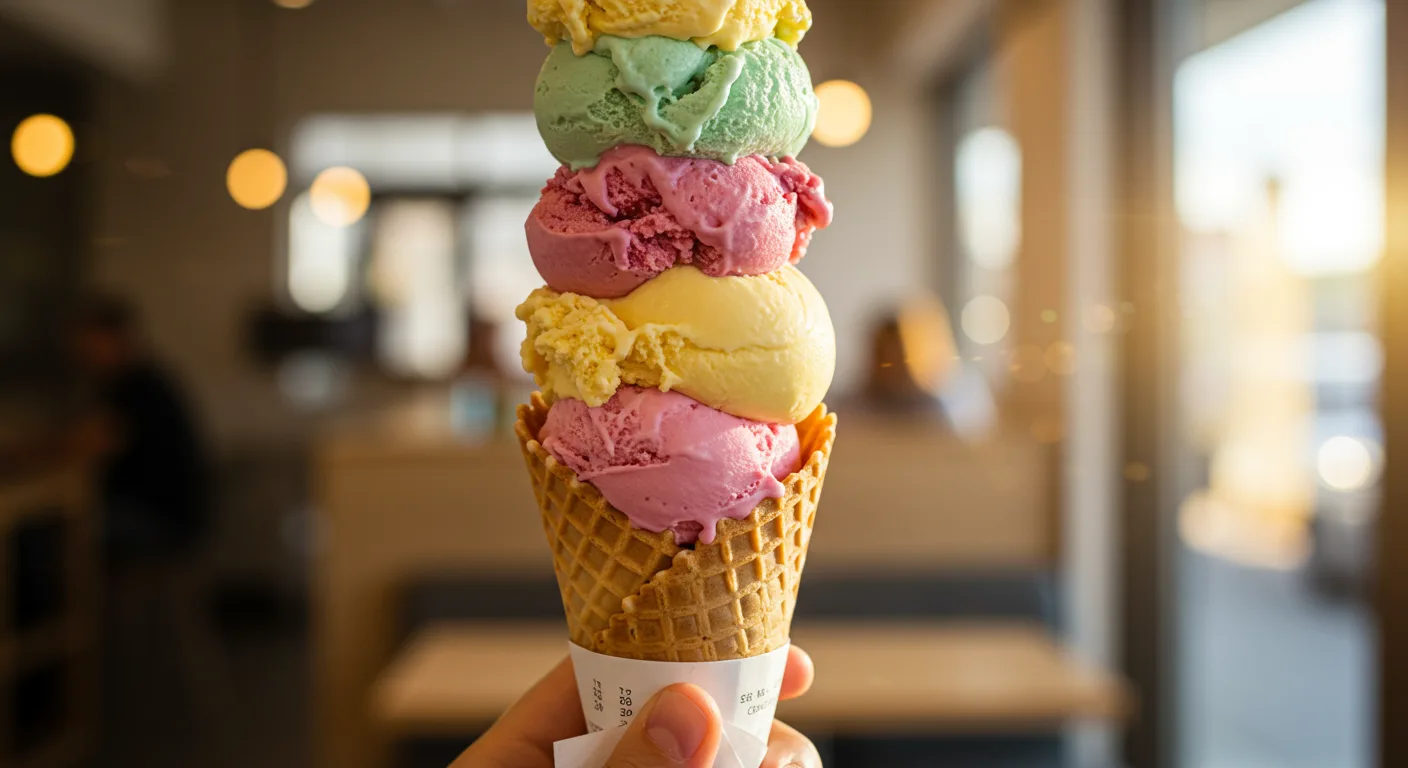
Let’s dissect a recent PPC campaign we ran for a local Atlanta-based e-commerce business, “Sweet Stack Creamery,” specializing in gourmet ice cream sandwiches. They wanted to boost online orders and increase brand awareness within a 25-mile radius of their brick-and-mortar store near the intersection of Peachtree and Piedmont.
The Initial Setup: Laying the Foundation
Our initial budget was $10,000 per month, allocated across Google Ads and Microsoft Advertising. The campaign ran for six months, from January to June 2026. We aimed to achieve a ROAS (Return on Ad Spend) of 4:1. We chose Google Ads because of its robust targeting options and market share; according to a recent IAB report, Google captured 48% of digital ad spending in 2025 IAB.
The initial strategy involved:
- Keyword Research: We identified high-intent keywords related to ice cream delivery, desserts near me, and custom ice cream sandwiches, using tools like Google Keyword Planner and Ahrefs.
- Audience Targeting: We focused on demographics (age 25-54), interests (foodies, dessert lovers), and location targeting within the specified radius. We also created custom audiences based on website visitors and email subscribers.
- Ad Copy: We crafted compelling ad copy highlighting Sweet Stack Creamery’s unique selling points: gourmet ingredients, custom creations, and fast delivery.
- Landing Page Optimization: We ensured the landing page was mobile-friendly, visually appealing, and offered a seamless ordering experience.
Month 1-2: The Reality Check
The first two months were…underwhelming. We generated a decent number of impressions (around 500,000 per month), and the CTR (Click-Through Rate) was a respectable 3.5%. However, the CPL (Cost Per Lead) was high at $45, and the ROAS was a disappointing 2:1. Conversions were lower than expected, and the cost per conversion hovered around $30.
Here’s a snapshot of the initial performance:
| Metric | Month 1 | Month 2 |
| —————– | ——- | ——- |
| Budget | $10,000 | $10,000 |
| Impressions | 500,000 | 520,000 |
| CTR | 3.5% | 3.7% |
| Conversions | 333 | 346 |
| Cost Per Conversion | $30.03 | $28.90 |
| ROAS | 2:1 | 2:1 |
We needed to make significant changes.
Data-Driven Optimization: Turning the Tide
We dove deep into the data, analyzing user behavior, search queries, and conversion paths. Here’s what we discovered and the steps we took:
- Keyword Refinement: We identified several low-performing keywords that were driving up costs without generating conversions. We paused these keywords and expanded our focus on more specific, long-tail keywords like “gourmet ice cream sandwich delivery Buckhead” and “custom ice cream cakes near Atlantic Station.”
- Audience Segmentation: We realized that our broad audience targeting was reaching too many irrelevant users. We used first-party data from Sweet Stack Creamery’s loyalty program to create more precise custom audiences based on purchase history and preferences. We also implemented value-based bidding, prioritizing users who were more likely to make repeat purchases and spend more per order. This is a big shift in Google Ads that many businesses still aren’t taking advantage of.
- Ad Copy A/B Testing: We ran A/B tests on our ad copy, experimenting with different headlines, descriptions, and calls to action. We found that ads emphasizing the emotional connection to ice cream – nostalgia, comfort, indulgence – performed significantly better than ads focusing solely on price or convenience. For example, “Relive Your Childhood with Our Gourmet Ice Cream Sandwiches” outperformed “Best Ice Cream Delivery in Atlanta.” A Nielsen study showed that ads with emotional appeal can increase sales by 23%.
- Landing Page Enhancements: We noticed that many users were abandoning the checkout process. We streamlined the ordering process, added more prominent trust signals (customer reviews, security badges), and offered a limited-time discount for first-time orders.
- Dayparting: Analysis revealed that ad performance peaked between 6 PM and 9 PM on weekdays and during weekend afternoons. We adjusted our bid strategy to allocate more budget to these peak hours.
- Location Targeting Granularity: While we initially targeted a 25-mile radius, we analyzed heatmaps and identified specific neighborhoods with higher conversion rates. We increased bids in those areas and decreased bids in underperforming areas.
Month 3-6: The Sweet Taste of Success
The data-driven optimizations paid off. Over the next four months, we saw a significant improvement in key metrics:
| Metric | Month 3 | Month 4 | Month 5 | Month 6 |
| —————– | ——- | ——- | ——- | ——- |
| Budget | $10,000 | $10,000 | $10,000 | $10,000 |
| Impressions | 480,000 | 490,000 | 500,000 | 510,000 |
| CTR | 4.2% | 4.5% | 4.7% | 4.9% |
| Conversions | 476 | 526 | 575 | 610 |
| Cost Per Conversion | $21.01 | $19.01 | $17.39 | $16.39 |
| ROAS | 3.5:1 | 4:1 | 4.5:1 | 5:1 |
The ROAS increased to 5:1, exceeding our initial goal. The CPL decreased to $16.39, and conversions increased significantly. Sweet Stack Creamery saw a noticeable boost in online orders and brand awareness. I had a client last year who didn’t think this kind of turnaround was possible – they thought their product was just “too niche.” But data doesn’t lie. If you want to dig deeper, see how to prove marketing ROI in 2026.
Here’s what nobody tells you: even with perfect data, there’s always a degree of uncertainty. Market conditions change, competitors adapt, and consumer preferences evolve. Continuous monitoring and optimization are essential for sustained success.
The Creative Approach: Beyond the Numbers
While data drove our decisions, creativity played a crucial role in the campaign’s success. We collaborated with Sweet Stack Creamery to develop visually appealing ad creatives that showcased their ice cream sandwiches in mouthwatering detail. We also created short video ads featuring customer testimonials and behind-the-scenes glimpses of the ice cream-making process.
We also tapped into local events and holidays. For example, during the Atlanta Dogwood Festival, we ran ads promoting “Dogwood Delight” ice cream sandwiches, a limited-edition flavor inspired by the festival. This hyperlocal approach resonated with local residents and generated a lot of buzz. It’s important to turn local love into online sales, especially in a competitive market.
The Power of Microsoft Advertising
While Google Ads was our primary focus, Microsoft Advertising also contributed to the campaign’s success. We allocated a portion of our budget to Microsoft Advertising and targeted users searching on Bing. While the volume of traffic was lower than Google Ads, the conversion rates were surprisingly high. Microsoft Advertising allowed us to reach a different segment of the market and diversify our ad spend. Remember that Microsoft Ads can offer ROI Google can’t beat.
Lessons Learned and Future Strategies
This campaign provided valuable insights into the power of data-driven PPC advertising. Here are some key takeaways:
- Data is king: Don’t rely on gut feelings or assumptions. Track everything, analyze the data, and make informed decisions.
- Audience segmentation is crucial: Target the right people with the right message. Use first-party data to create precise custom audiences.
- A/B testing is essential: Continuously experiment with different ad copy, landing pages, and bidding strategies.
- Don’t neglect Microsoft Advertising: It can be a valuable source of traffic and conversions.
- Creativity matters: Develop compelling ad creatives that capture attention and tell a story.
Moving forward, we plan to explore more advanced PPC techniques, such as:
- AI-powered bidding: Using machine learning algorithms to automate bid optimization and maximize ROAS.
- Dynamic ad creative: Automatically generating ad creatives based on user data and preferences.
- Cross-channel attribution: Tracking the customer journey across different marketing channels to understand the true impact of PPC advertising.
The future of PPC is bright, but it requires a commitment to data, creativity, and continuous learning.
To make the most of your PPC campaigns in 2026, focus on leveraging first-party data to personalize your messaging and targeting. By understanding your audience intimately, you can create more relevant and engaging ads that drive conversions and maximize your ROI. If you’re ready to dive in, check out marketing strategies for all levels.
What is value-based bidding?
Value-based bidding is a Google Ads strategy that focuses on maximizing the total conversion value (e.g., revenue) generated by your campaigns, rather than just the number of conversions. It prioritizes users who are likely to spend more and make repeat purchases.
How important is mobile optimization for PPC campaigns?
Mobile optimization is critical. A significant portion of online searches and purchases now happen on mobile devices. If your landing page isn’t mobile-friendly, you’ll lose potential customers.
What are some common mistakes businesses make with PPC advertising?
Common mistakes include: neglecting keyword research, using broad audience targeting, failing to A/B test ad copy, and not tracking conversions properly.
How often should I review and optimize my PPC campaigns?
You should review your campaigns at least weekly, if not more frequently. Look for trends, identify areas for improvement, and make adjustments as needed.
Is PPC advertising still effective in 2026?
Yes, PPC advertising remains a highly effective marketing channel. However, it requires a strategic approach, a commitment to data-driven optimization, and a willingness to adapt to changing market conditions.








