 By Editorial Team
The amount of misinformation surrounding effective PPC engagement, especially concerning post-conversion customer experience, is staggering. Many businesses mistakenly believe their job is done once the click turns into a sale, completely missing the forest for the trees. This article will shred those myths, showing you exactly how to foster genuine customer loyalty long after the initial transaction.
Key Takeaways
- Implement personalized email sequences within 24 hours of purchase, leveraging purchase data to suggest complementary products or offer setup guides.
- Integrate retargeting campaigns that segment customers based on their post-purchase behavior, such as product usage or engagement with support resources, rather than just their initial purchase.
- Utilize customer feedback loops, specifically post-purchase surveys and review requests, to identify and address pain points and gather testimonials.
- Develop exclusive content or loyalty programs for existing customers, offering early access to new products or special discounts to drive repeat business.
- Proactively address potential issues with automated, personalized support messages, significantly reducing churn and improving customer sentiment.
Myth 1: PPC’s Job Ends at the Conversion Event
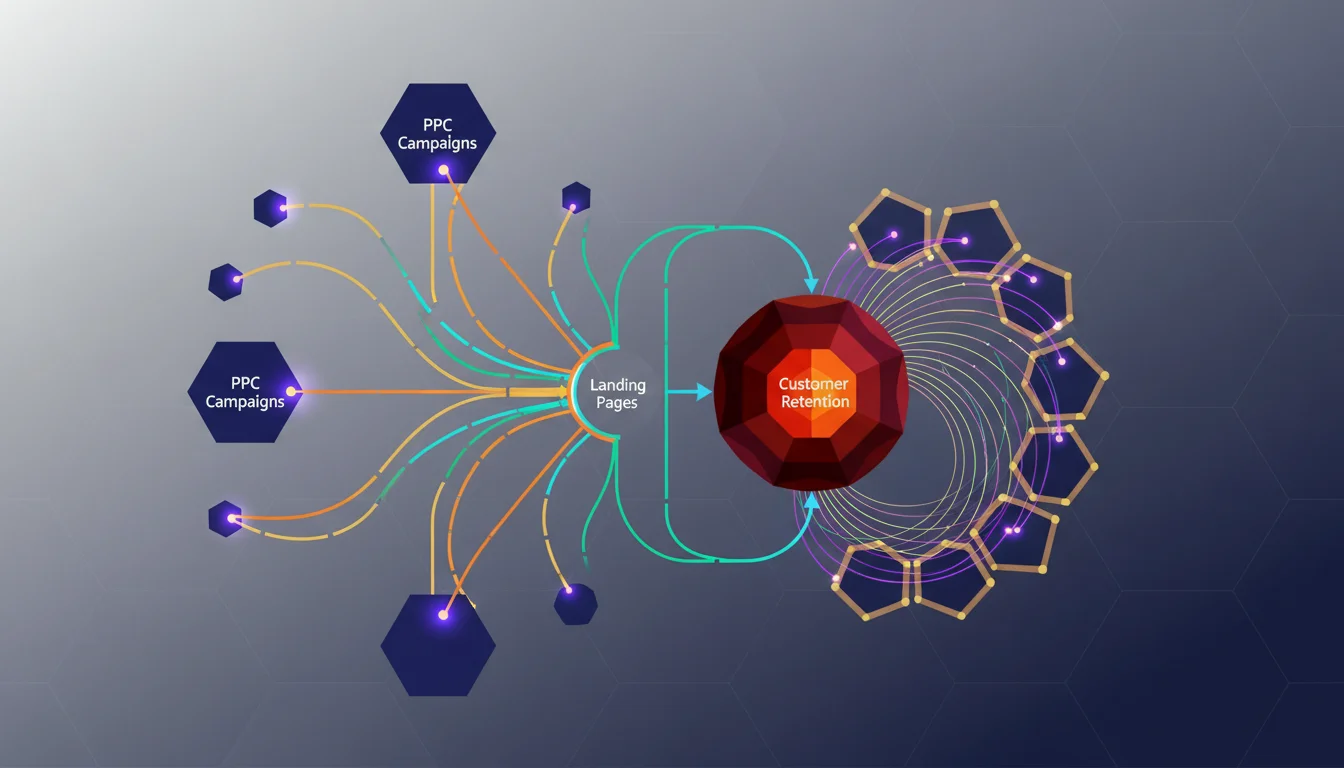
This is probably the most pervasive and damaging myth in digital marketing. The idea that a PPC campaign is solely responsible for generating a lead or a sale and then washes its hands of the customer journey is fundamentally flawed. I’ve seen countless companies invest heavily in top-of-funnel acquisition, only to neglect the post-conversion phase, leading to high churn rates and missed opportunities for repeat business. The truth is, PPC can and should play a significant role in shaping the post-conversion customer experience (CX). Your ad spend isn’t just buying clicks; it’s buying potential relationships. Think about it: a user clicks your ad, makes a purchase, and then what? If they never hear from you again, or if their subsequent interactions are generic and unhelpful, that initial investment quickly depreciates. We need to shift our mindset. As a 2024 report by HubSpot Research (hubspot.com/marketing-statistics) highlighted, companies that prioritize customer retention see a 25% to 95% increase in profits. That’s not a small number, is it? We’re talking about direct impact on the bottom line, all stemming from how we treat customers after they convert. My approach has always been to view the conversion as a handshake, not a farewell. We use our advertising platforms to build custom audiences based on purchase history. For instance, if someone buys a specific software license, we can then serve them ads for advanced training modules or complementary integrations. This isn’t just about upselling; it’s about providing value and enhancing their experience with the product they just bought. It’s about saying, “We appreciate your business, and we’re here to help you get the most out of it.”
Myth 2: “Set It and Forget It” Post-Purchase Communication is Sufficient
Many marketers believe that a single, automated “thank you for your purchase” email is enough for post-conversion engagement. Or, worse, they rely on a generic drip campaign that sends the same sequence to every customer, regardless of what they bought or where they are in their customer journey. This isn’t just ineffective; it can actively harm your brand. In an age where personalization is not just expected but demanded, generic communication feels impersonal and lazy. It tells your customer, “You’re just another number.” I once had a client, a small e-commerce business selling artisanal coffee beans, who was struggling with repeat purchases. Their post-purchase email sequence was identical for every customer: a thank-you, followed by an offer for 10% off their next order two weeks later. When I looked at their data, I saw customers buying different roasts, different quantities, and at different frequencies, yet they all got the same message. We completely overhauled their strategy. We segmented customers based on their initial purchase (e.g., dark roast vs. light roast, whole bean vs. ground) and their purchase frequency. Our new approach involved:
- Immediate, personalized thank you: Referencing the specific product purchased and offering a link to brewing tips for that roast.
- Educational content (3 days post-purchase): A short guide on storing coffee or a video demonstrating a unique brewing method relevant to their purchase.
- Reorder reminder (timed based on typical consumption): If someone bought a 12oz bag, we’d estimate their usage and send a friendly reminder a few days before they likely ran out, suggesting similar roasts or offering a subscription option.
The results were compelling. Within three months, their repeat purchase rate increased by 28%, and their average customer lifetime value (CLTV) saw a significant bump. This wasn’t magic; it was simply treating customers like individuals. You can achieve this by leveraging data from your customer relationship management (CRM) system and integrating it with your email marketing platform. Tools like Mailchimp or Klaviyo offer robust segmentation capabilities that, when fed with purchase data, allow for incredibly specific and timely communication.
“According to research from Salesforce, 56% of customers have to re-explain their issue every time they’re transferred to a different person or department. Omnichannel customer service eliminates this friction point by preserving conversation history and customer context across every touchpoint, which reduces friction for the customer when they reach out for support.”
Myth 3: Customer Loyalty is Built Solely Through Discounts and Promotions
While discounts and promotions certainly have their place in a marketing strategy, relying on them as the primary driver for customer loyalty is a race to the bottom. It trains your customers to wait for a sale, eroding perceived value and leading to what I call “discount dependency.” True loyalty is built on trust, consistent value, and an excellent overall experience. A customer who only buys when there’s a promotion isn’t loyal; they’re opportunistic. I believe in providing value beyond price. This means offering exceptional customer support, creating exclusive content, fostering a community around your brand, or providing early access to new products. For a SaaS client, we implemented a strategy where new customers, after their initial purchase, were invited to exclusive webinars showcasing advanced features and best practices. These weren’t sales pitches; they were genuine efforts to help users maximize their investment. The webinars were hosted by product experts, and attendees could ask questions directly. This built a sense of community and expertise around the brand. According to a 2025 report from eMarketer (emarketer.com), 72% of consumers say they are more loyal to brands that provide excellent customer service. That’s a huge number. This isn’t about giving away freebies; it’s about making customers feel valued and supported. Your PPC campaigns can support this by targeting existing customers with ads that highlight these value-added services, rather than just pushing another product. Think about using Google Ads’ Customer Match feature to target your existing customer list with ads promoting your support portal, educational resources, or an invitation to a loyalty program. This reinforces the idea that your brand cares about their ongoing success, not just their wallet.
Myth 4: Negative Feedback Should Be Avoided or Downplayed
This is where many businesses falter. The fear of negative reviews or critical feedback often leads companies to either ignore it or try to bury it. This is a colossal mistake. Negative feedback is a gift. It’s a direct, unfiltered insight into where your product or service is failing, and it provides an invaluable opportunity to improve and demonstrate your commitment to customer satisfaction. My philosophy is to embrace it. Actively solicit feedback, even knowing some of it won’t be glowing. We implement post-purchase surveys that include open-ended questions. If a customer expresses dissatisfaction, our protocol is to respond within 24 hours, acknowledge their concern, and offer a concrete solution or an escalation path. A study published by Nielsen (nielsen.com) in 2024 showed that 70% of consumers trust a brand more if they respond to reviews, both positive and negative. This shows transparency and a willingness to engage. Consider a scenario where a customer leaves a 2-star review on your Google Business Profile after purchasing a product through a PPC ad. Instead of ignoring it, respond publicly, apologize for their experience, and invite them to contact your support team directly. Then, follow up internally to understand the root cause of the issue. Was it a shipping delay? A product defect? A misunderstanding of functionality? Addressing these issues not only potentially turns that unhappy customer into a loyal one but also provides critical data points for product development and service improvement. PPC can even play a role here: if you identify a common complaint, you can create targeted ad campaigns that address that specific pain point, showcasing your solution to potential new customers.
Myth 5: PPC Has No Role in Building Long-Term Customer Relationships
This myth is a direct consequence of viewing PPC purely as an acquisition channel. While PPC’s primary function is often to drive initial conversions, its capabilities extend far beyond that. As I’ve touched upon, smart retargeting, customer match audiences, and dynamic creative optimization can be powerful tools for nurturing existing customer relationships and fostering long-term loyalty. I’ve personally seen incredible results by using PPC to re-engage dormant customers. We had a subscription box service client whose cancellation rate was climbing. Instead of just letting those customers go, we designed a targeted Google Ads campaign using their customer list. The ads weren’t about “come back and buy again!” They were about “We miss you! Here’s what’s new since you left,” highlighting product updates, new features, or even testimonials from happy current subscribers. We also segmented this further, showing different ads based on the reason they cancelled, if that data was available. For example, if they cancelled due to price, we might show an ad about a new, more affordable tier. If they cancelled due to lack of use, we might show an ad highlighting new ways to engage with the service. The key is to understand that the customer journey doesn’t end at purchase; it evolves. PPC allows us to stay present and relevant throughout that evolution. By strategically using different ad formats and targeting options available on platforms like Google Ads and Meta Business Suite, we can deliver personalized messages that resonate with customers at various stages of their relationship with your brand. This could be an ad for a loyalty program, an invitation to a brand event, or even just a “thank you” message that reinforces their value to your business. It’s about maintaining a continuous, positive dialogue, ensuring that your brand remains top of mind and that customers feel appreciated long after their initial click. The true power of PPC extends far beyond the initial sale, profoundly influencing customer loyalty and lifetime value. By debunking these common myths and adopting a holistic approach to post-conversion CX, businesses can transform one-time buyers into lifelong advocates.
How can PPC specifically contribute to post-conversion customer experience?
PPC can contribute significantly by using retargeting campaigns to serve personalized ads to existing customers, promoting loyalty programs, offering exclusive content, or providing support resources. It helps maintain brand visibility and relevance beyond the initial purchase.
What are some examples of personalized post-conversion communication?
Personalized communication includes sending product-specific usage tips, suggesting complementary items based on purchase history, offering early access to new features or products, and sending reorder reminders timed to likely consumption patterns. The key is using purchase data to tailor the message.
Why is it important to actively solicit and respond to negative feedback?
Actively soliciting and responding to negative feedback demonstrates transparency and a commitment to customer satisfaction. It provides invaluable insights for product and service improvement, and a well-handled complaint can turn a dissatisfied customer into a loyal one, boosting trust in your brand.
How can businesses measure the effectiveness of their post-conversion PPC engagement strategies?
Effectiveness can be measured through metrics like repeat purchase rate, customer lifetime value (CLTV), customer churn rate, engagement with post-purchase emails or loyalty program ads, and net promoter score (NPS) from post-purchase surveys. Track these over time to see the impact of your efforts.
What role do customer loyalty programs play in post-conversion CX and how can PPC support them?
Customer loyalty programs incentivize repeat business and build stronger relationships by offering rewards, exclusive benefits, or special access. PPC can support these programs by targeting existing customers with ads that promote membership, highlight benefits, or announce new tiers, keeping the program top of mind.


