 By Editorial Team
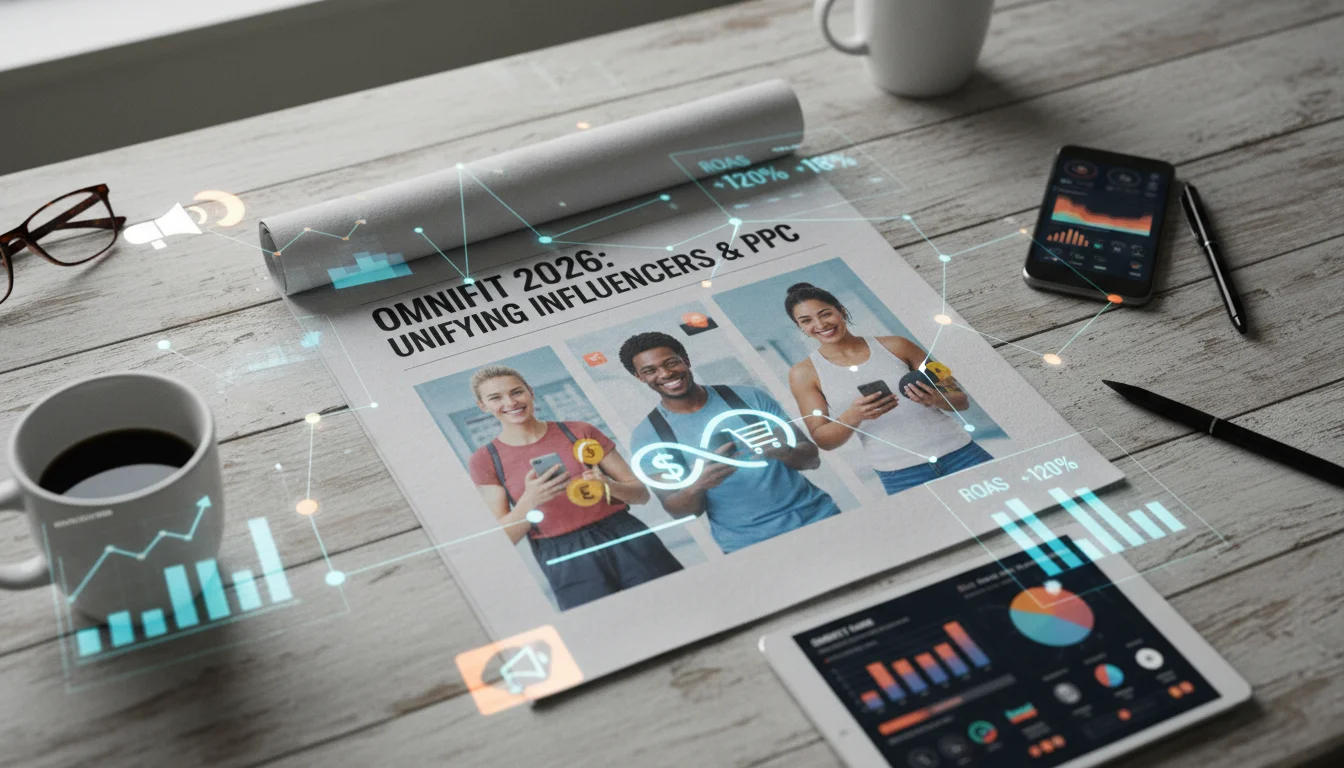
By mid-2025, OmniFit, an athleisure brand focused on sustainable gear, had a big problem. They were burning through almost $2.5 million a year on influencer marketing and PPC (Pay-Per-Click), but their return on ad spend was stuck at a dismal 1.8x, a long way from the 3x they needed for their next funding round. The marketing director, Sarah Chen, saw that her teams weren’t talking to each other, so she started looking for a unified layer to connect the company’s brand advocates with its paid media machine. The disconnect was costing them, and they needed to get their efficiency back on track.
Key Takeaways
- You can slash creative production costs by up to 30% just by putting influencer-generated content into your paid media campaigns.
- A unified attribution model across influencer and PPC channels gives you a 15-20% clearer picture of what’s actually working.
- When you centralize audience data from organic influencer posts and paid ads, you can build much sharper retargeting segments.
- Automating the flow of content from influencers into Google Ads and Meta Ads Manager can free up your team for 10-15 hours a week.
- To know if a unified strategy is working, you need data-driven KPIs that cover both influencer engagement and PPC conversions.
The Disconnect: OmniFit’s Fragmented Approach
OmniFit’s main problem was a total disconnect between its two best marketing channels. On one side, they had a great community program, building relationships with micro-influencers on Instagram and TikTok who really liked the gear and created authentic content with high engagement. At the same time, the in-house paid media team was running its own show with Google Ads and Meta Ads, using polished, expensive creative to hit specific demographics. As Sarah Chen figured out in a Q3 2025 performance review, these two teams might as well have been in different companies.
“Our influencer team was getting amazing user-generated content, real people in our leggings running in Piedmont Park or doing yoga in a downtown Atlanta studio,” Sarah told her agency partner. “And none of it was ending up in our paid ads. Instead, the PPC team was dropping thousands on photoshoots, basically recreating the same stuff our influencers were already making for a fraction of the cost.” The waste was obvious, but the bigger issue was the missed connection with customers. A late 2025 eMarketer report backs this up, showing that brands get a 2.5x higher click-through rate when they use influencer content in paid ads instead of standard brand creative.
Building the Bridge: The Unified Operating Layer Concept
To build a bridge between the two teams, Sarah’s group started designing a unified layer, not to merge the departments, but to create a shared system for tech and strategy. The whole point was to get data, content, and insights moving between their influencer program and PPC campaigns. In practice, this meant that when a piece of influencer content took off or an audience segment showed high engagement, the paid media team could immediately grab it and put it to work.
The first move was boring but essential: they fixed their influencer contracts. Previously, the agreements were fuzzy on whether OmniFit could use influencer posts in paid ads. So, they rewrote them with explicit clauses for paid media usage, giving them the legal green light to repurpose anything. Getting the content rights sorted out first was the bedrock of the whole strategy. It meant they wouldn’t get stuck in copyright headaches later.
“According to a study published via ResearchGate, 45.3% of consumers would view an ad with an AI influencer without taking action, 28.3% would ignore the ad completely, and only 26.4% would actively engage with the ad, such as by clicking or searching.”
Content Teamwork: From Organic Engagement to Paid Performance
The content workflow is where the unified layer really started to pay off. OmniFit connected its influencer platform, Grin, directly to its digital asset management (DAM) system. Now, whenever an influencer post did really well, getting lots of engagement and positive comments, it was automatically flagged. The system would then push the high-res images and video clips straight into the DAM, making them instantly available for the PPC team. No more emails or Slack messages asking for files.
“We immediately started A/B testing the influencer content against our normal studio creative in Meta Ads Manager,” Sarah said. “The difference was night and day. Ads with real users in real-world settings just crushed our polished stuff on both click-through and conversion rates. We had this one video of a local runner, @PeachStatePacer, talking about our new compression shorts, and it got a 32% higher view-through rate in an ad targeting Atlanta-based fitness enthusiasts than our own generic product video.” It was a clear signal that their audience wanted authenticity.
This system did more than just slash OmniFit’s creative budget since they no longer needed new photoshoots for every single campaign. They now had a steady pipeline of authentic content that was also highly relevant. It makes sense, as people can spot fake marketing pretty easily these days. The IAB’s 2026 Influencer Marketing Effectiveness Report confirms this, noting that 78% of Gen Z consumers trust what influencers say more than brand ads, which is why feeding that influencer content directly into paid channels works so well.
Data Integration: A Single Source of Truth
The unified layer also solved OmniFit’s attribution mess. Before, the influencer team measured success with metrics like engagement, reach, and discount code redemptions, while the PPC team was all about direct conversions from pixels. There was no way to see the overlap or figure out how many people saw an influencer post, didn’t buy right away, and then converted later through a retargeting ad. They were flying blind on the customer journey.
OmniFit brought in a multi-touch attribution model using Mixpanel to get a clearer view. By pulling data from Grin, Google Ads, and Meta Ads into one place, they could assign partial credit to every touchpoint along the way. For the first time, they could see things like how users who saw an influencer’s TikTok post and then clicked a Google Shopping ad had a 40% higher conversion rate than users who only saw the paid ad. Getting that kind of detailed view was a huge step up from their old, siloed reporting.
“The data flow went both ways, too,” Sarah added. “We started using audience insights from our influencers to build better PPC campaigns. For example, if we saw an influencer’s followers were really into our new yoga line, we’d build a lookalike audience in Meta Ads from that specific group instead of just using broad interest targeting.” This simple feedback loop led to a 1.5x jump in their target audience reach efficiency. For the media buyers, it meant their ad spend was suddenly working much harder, hitting more qualified people without increasing the budget.
Operational Efficiency and Automation
Automation was the glue that held the whole unified layer together, because manually moving all that content and data around just wasn’t going to work. Using Zapier, they set up simple workflows to connect their tools. For example, once an influencer post in Grin crossed a specific engagement threshold, a Zap would fire off, automatically sending the creative to their DAM, pinging the PPC team, and even creating a draft ad in Meta Ads Manager with suggested copy and targeting. That automation saved the team about 12 hours of grunt work every week.
This new speed meant the PPC team could jump on trends almost instantly. If an influencer’s review suddenly made a specific product popular, they could get a targeted paid campaign live to ride that wave of organic interest. In the athleisure market, where things move fast, being able to react in hours instead of weeks was the difference between catching a trend and missing it entirely.
The Results: A Healthier ROAS and Sharper Focus
The results of building this healthier, more focused system were clear by the end of Q1 2026. With the unified influencer-PPC layer running smoothly, OmniFit’s ROAS shot up from 1.8x to 3.1x, beating their funding-round target. At the same time, their customer acquisition costs dropped by 28%. The proof was also in the ads themselves: paid creative using influencer content saw a 45% higher engagement rate, which meant more qualified people were clicking through to omnifitgear.com.
The big takeaway for OmniFit was that influencer marketing and PPC work best when they’re treated as a single, integrated engine. Creating a unified layer gave them a single source of truth for all their marketing, which led to smarter spending, more authentic ads that actually worked, and a direct improvement to their financial performance.
If your marketing teams are stuck in their own silos, the OmniFit story shows why it’s worth investing in the tech and strategy to link your organic and paid channels. Building this kind of connected system creates a more authentic and effective marketing engine that genuinely connects with the people you’re trying to reach.
What is a unified influencer-PPC operating layer?
It’s a strategic and tech framework for connecting your influencer marketing with your paid media campaigns. The goal is to get content, data, and insights flowing between the two channels so you can improve performance and stop wasting effort.
How does a unified layer improve ROAS?
It boosts ROAS in two main ways. First, you use authentic influencer content in your paid ads, which gets better click-through and conversion rates. Second, you use audience data from your influencers to build smarter targeting for your paid campaigns, making your ad spend more efficient.
What specific tools are needed to create a unified layer?
A typical stack includes an influencer management platform (like Grin), a digital asset management (DAM) system for your creative, a good analytics platform (like Mixpanel), and an automation tool (like Zapier) to tie everything together.
Can small businesses implement a unified influencer-PPC strategy?
Absolutely. You don’t need a complex enterprise setup. A small business can start by just manually taking its best-performing influencer content and running it in a few Meta or Google ad campaigns. You can use the basic analytics in those platforms to see what works. The core idea of sharing content and data works at any size.
What are the primary benefits of integrating influencer content into paid ads?
The main benefits are that your ads feel more authentic which leads to higher engagement. You also save a ton of money on creative production. Most importantly, you build more trust, since people respond better to what looks like a peer recommendation instead of a slick corporate ad.


