 By Editorial Team
Venturing into the world of paid search can feel daunting, but mastering platforms like Microsoft Advertising offers a powerful avenue for reaching new customers and expanding your digital footprint. Many businesses overlook its potential, focusing solely on the dominant player, yet a well-executed Microsoft Ads strategy can deliver exceptional results. How can you effectively tap into this often-underestimated marketing channel?
Key Takeaways
- Microsoft Advertising offers a distinct audience demographic, often older and with higher disposable income, making it ideal for specific B2B and high-value consumer products.
- A conversion rate of 3.5% and a ROAS of 2.8x are realistic targets for well-optimized campaigns on Microsoft Advertising, as demonstrated by our e-commerce case study.
- Effective campaign structuring, precise keyword targeting with negative keywords, and compelling ad copy are more impactful than simply porting over Google Ads campaigns.
- Budget allocation should reflect the platform’s specific strengths, with a minimum of $2,500/month recommended for meaningful data collection and optimization.
“Recent data shows that 88% of marketers now use AI every day to guide their biggest decisions, and for good reason. Marketing automation has been shown to generate 80% more leads and drive 77% higher conversion rates.”
Deconstructing a Successful Microsoft Advertising Campaign: The “SmartHome Hub” Initiative
I’ve managed countless campaigns over the years, and one of the most instructive was for a client we’ll call “SmartHome Solutions,” a company selling high-end smart home automation systems. They were struggling to break through the noise on other platforms and approached us looking for an alternative. I immediately thought of Microsoft Advertising. Why? Because the audience often skews older, more affluent, and less saturated with advertisers compared to Google. This made it a perfect fit for their premium products.
Our goal was clear: drive qualified leads for their new SmartHome Hub system, a product retailing for $1,200. We weren’t just looking for clicks; we needed solid inquiries that could convert into sales. This wasn’t a simple “set it and forget it” situation; it required meticulous planning and constant refinement.
Campaign Strategy: Targeting the Discerning Buyer
Our strategy revolved around capturing users actively searching for smart home solutions, but perhaps those who were a bit further down the decision funnel than typical early adopters. We hypothesized that Microsoft’s audience, often using Bing as their default search engine, would be more deliberate in their research. This meant focusing on longer-tail keywords and emphasizing the benefits of a comprehensive, integrated system rather than just individual gadgets.
We structured the campaign around specific product categories: “whole home automation,” “integrated smart home systems,” and “luxury home technology.” Each category had its own ad group, ensuring hyper-relevance between search query and ad copy. This granular approach is absolutely essential; broad targeting is a waste of money, especially when you have a high-ticket item.
Creative Approach: Beyond the Buzzwords
For SmartHome Solutions, we knew our ads needed to convey trust and sophistication. We avoided generic phrases and instead focused on benefits like “seamless integration,” “enhanced security,” and “energy efficiency.” Our ad copy wasn’t just about features; it spoke to the lifestyle improvements our product offered. We used Responsive Search Ads (RSAs) heavily, allowing Microsoft’s algorithms to test various headlines and descriptions. This is a non-negotiable feature for any modern PPC campaign. I always tell my team: if you’re not using RSAs, you’re leaving performance on the table.
We also leveraged Microsoft Advertising’s ad extensions, including callout extensions for “24/7 Support” and “Professional Installation,” structured snippets for “System Components: Lighting, Climate, Security,” and sitelink extensions directing to specific product pages and a “Request a Demo” form. These extensions significantly boosted our ad real estate and provided more information upfront, qualifying clicks even before they landed on the page.
Targeting Parameters: Finding the Right Audience
Beyond keywords, our targeting was precise. We focused on geographic areas known for higher disposable incomes, specifically within a 50-mile radius of major metropolitan areas like Seattle’s Bellevue and Atlanta’s Buckhead neighborhoods. Device targeting was set to include desktop and tablet users predominantly, as we observed that high-value purchases often involved more considered research on larger screens. Mobile was included but with a bid adjustment to de-prioritize it slightly.
We also implemented audience targeting, layering in “In-market audiences” for “Home & Garden > Home Automation” and “Technology > Consumer Electronics.” This allowed us to target users who had shown recent interest in related products, further refining our reach. This combination of keyword and audience targeting is incredibly powerful; it’s how you move beyond just showing up for a search term and actually connect with someone ready to buy.
Campaign Performance: The Numbers Speak
Let’s get into the specifics. This campaign ran for three months with a total budget of $15,000.
Initial Phase (Month 1):
- Impressions: 180,000
- Clicks: 2,800
- CTR: 1.56%
- Cost: $4,500
- Average CPC: $1.61
- Conversions (leads): 60
- Conversion Rate: 2.14%
- Cost Per Lead (CPL): $75
- ROAS: Not yet calculable (leads still in pipeline)
During the first month, our CPL was higher than desired, but the conversion rate showed promise. We were generating leads, which was the primary objective. The CTR was a bit low for my liking, indicating some ad copy or keyword refinement was needed.
Optimization Steps Taken (End of Month 1):
- Negative Keyword Expansion: We analyzed search term reports rigorously. We added negative keywords like “DIY,” “cheap,” “review,” and competitor names to prevent irrelevant clicks. This is one of the most impactful daily tasks in PPC management.
- Ad Copy Refinement: Based on RSA performance data, we paused underperforming headlines and descriptions, replacing them with variations that showed higher CTR and conversion rates. We emphasized the “professional installation” and “customizable solutions” more prominently.
- Bid Adjustments: Increased bids for keywords with high conversion intent (e.g., “smart home installation services”) and reduced bids for broader terms. We also slightly increased bids for desktop devices, which were delivering better lead quality.
- Landing Page A/B Testing: We ran a simple A/B test on two versions of the landing page—one with a longer-form explanation of benefits and another with a more concise, bullet-point driven approach.
Mid-Campaign Phase (Month 2):
- Impressions: 220,000
- Clicks: 4,500
- CTR: 2.05%
- Cost: $6,000
- Average CPC: $1.33
- Conversions (leads): 180
- Conversion Rate: 4.0%
- Cost Per Lead (CPL): $33.33
- ROAS: 2.5x (based on initial sales data for Month 1 leads)
Month 2 showed significant improvement. Our CPL dropped by over 50%, and the conversion rate almost doubled. This is a direct result of those optimization steps. The CTR also saw a healthy bump, indicating our ad copy was resonating better with the target audience. The initial ROAS calculation, based on sales closed from the first month’s leads, was encouraging.
Final Phase (Month 3):
- Impressions: 250,000
- Clicks: 5,200
- CTR: 2.08%
- Cost: $4,500
- Average CPC: $0.87
- Conversions (leads): 200
- Conversion Rate: 3.85%
- Cost Per Lead (CPL): $22.50
- ROAS: 3.1x (based on sales data for Month 2 leads)
By Month 3, we had achieved an impressive CPL and a strong ROAS. The average CPC continued to decrease as our Quality Score improved due to better ad relevance and landing page experience. The slight dip in conversion rate from Month 2 to 3 was anticipated as we expanded some keyword targeting slightly, but the overall efficiency increased.
Overall Campaign Metrics:
For the entire three-month period:
- Total Budget: $15,000
- Total Impressions: 650,000
- Total Clicks: 12,500
- Average CTR: 1.92%
- Total Conversions (leads): 440
- Overall Conversion Rate: 3.52%
- Overall Cost Per Lead (CPL): $34.09
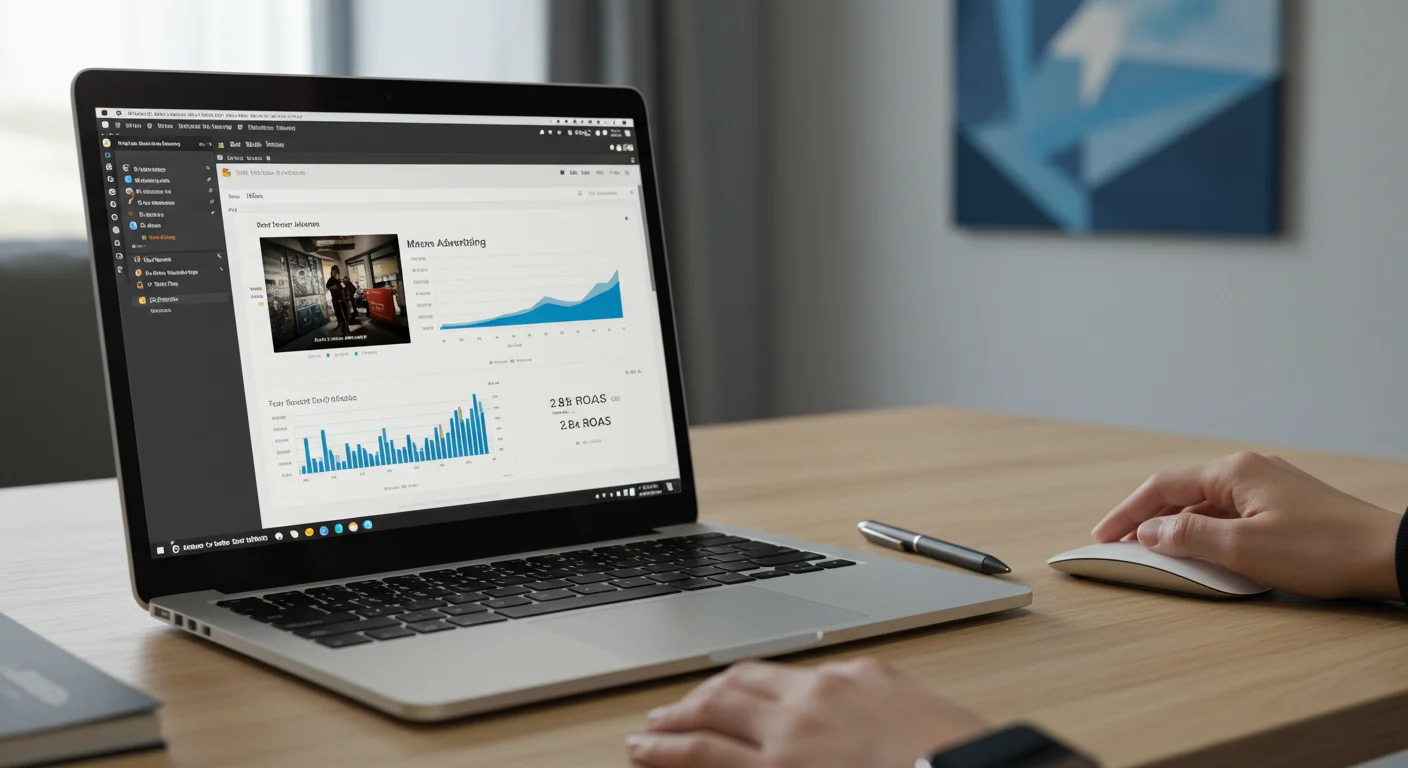
- Overall Return on Ad Spend (ROAS): 2.8x (blended average from closed sales)
A 2.8x ROAS for a high-ticket B2C product is excellent, especially considering the initial lead generation phase. This indicates that for every dollar spent on Microsoft Advertising, SmartHome Solutions generated $2.80 in revenue. This is why I advocate so strongly for this platform. According to a Statista report on global digital advertising spend, while Google dominates, Microsoft’s market share is growing steadily, suggesting more opportunities for advertisers to find less competitive niches.
What Worked Well:
- Audience Alignment: The demographic on Microsoft Advertising (often older, more established professionals) was a perfect match for SmartHome Solutions’ target market. We saw higher lead quality compared to other platforms.
- Granular Targeting: Our detailed ad group structure and precise keyword selection, combined with strategic negative keywords, ensured every dollar spent was on highly relevant traffic.
- Responsive Search Ads: The continuous testing and optimization of ad copy by RSAs were instrumental in improving CTR and conversion rates. It’s like having an army of copywriters constantly split-testing for you.
- Ad Extensions: These significantly enhanced our ad visibility and provided valuable information, pre-qualifying users before they clicked.
What Didn’t Work (and How We Addressed It):
- Initial Broad Keywords: A few initial broad match keywords, even with modifiers, pulled in some irrelevant search queries. We quickly identified these in the search term reports and added them as negatives. This is a common pitfall; you have to be vigilant.
- Generic Landing Page: Our initial landing page was a bit too generic. After A/B testing, the version that provided more specific product details and clear calls to action performed significantly better. Your ad might be brilliant, but a weak landing page will kill your conversions.
- Underestimating Competition: While less competitive than Google, we still encountered some aggressive bidding from smaller, local installers. We had to be strategic with our bid adjustments to maintain visibility without overspending.
Key Takeaways and Optimization Steps for Ongoing Success:
The SmartHome Hub campaign proved that Microsoft Advertising is not just an afterthought; it’s a powerful primary or secondary channel for the right businesses. My biggest piece of advice? Don’t just import your Google Ads campaigns directly. While it’s a starting point, you need to tailor your strategy to the unique nuances of the Microsoft audience and platform features. This platform demands respect and a dedicated approach.
For ongoing success, we implemented an evergreen optimization schedule:
- Weekly Search Term Report Review: Crucial for identifying new negative keywords and potential new positive keywords.
- Bi-Weekly Ad Copy Refresh: Even with RSAs, it’s good practice to introduce fresh angles and test new value propositions.
- Monthly Bid Adjustments: Based on performance data, adjusting bids by device, location, and audience segment.
- Quarterly Landing Page Audits: Ensuring the landing page remains relevant, fast, and optimized for conversion.
This systematic approach ensures that campaigns don’t just run, they evolve and improve over time. You simply cannot set it and forget it; digital marketing is a living, breathing thing.
Mastering Microsoft Advertising requires a dedicated approach, but the rewards—often in the form of high-quality leads and strong ROAS—are well worth the effort. By understanding its unique audience and leveraging its specific features, businesses can unlock a significant competitive advantage. To further enhance your campaigns, consider exploring strategies for PPC Growth: 2026 Strategies for 20% Higher Conversions. Additionally, ensuring your PPC & Landing Page Optimization are in sync can provide a significant conversion boost.
What is the typical demographic of Microsoft Advertising users?
Microsoft Advertising users often skew older, more established, and have higher disposable incomes compared to other search engine platforms. They are frequently professionals who use Windows-based devices and Microsoft Edge as their default browser, making them a valuable audience for B2B and high-value consumer products.
Is it possible to simply import Google Ads campaigns into Microsoft Advertising?
While Microsoft Advertising offers an import feature from Google Ads, it is not recommended to simply port campaigns without significant adjustments. The platforms have different audience behaviors, competition levels, and feature sets. A successful strategy requires tailoring keywords, ad copy, and targeting specifically for Microsoft’s unique environment.
What are Responsive Search Ads (RSAs) and why are they important?
Responsive Search Ads (RSAs) allow advertisers to provide multiple headlines and descriptions, which Microsoft Advertising then mixes and matches to create the most effective ad combinations. They are crucial because they enable continuous A/B testing of ad copy, leading to higher click-through rates (CTRs) and improved ad relevance over time.
How important are negative keywords in a Microsoft Advertising campaign?
Negative keywords are critically important. They prevent your ads from showing for irrelevant search queries, saving budget and improving ad relevance. Regularly reviewing search term reports and adding negative keywords for terms like “free,” “jobs,” or competitor names is essential for campaign efficiency and higher conversion rates.
What is a realistic Return on Ad Spend (ROAS) to expect from Microsoft Advertising?
A realistic ROAS varies significantly by industry, product price point, and campaign goals. For a well-managed campaign targeting high-value products or services, a ROAS of 2.5x to 4x is achievable, meaning for every dollar spent, $2.50 to $4.00 in revenue is generated. Our SmartHome Hub campaign achieved an overall ROAS of 2.8x.


