 By Editorial Team
The way marketing tactics are showcased is changing, and fast. Forget static reports – we’re entering an era of interactive dashboards and real-time data visualizations. The future of showcasing specific tactics like keyword research isn’t just about presenting data; it’s about creating engaging experiences that drive action. Are you ready to move beyond spreadsheets and embrace the future of marketing transparency?
Key Takeaways
- Interactive dashboards using tools like Tableau or Looker Studio will become the standard for presenting keyword research findings by 2027.
- Short-form video content explaining keyword strategy and results will see a 30% increase in engagement compared to traditional written reports.
- Real-time data feeds integrated directly into client presentations will allow for on-the-spot adjustments and strategy refinement.
The Death of the Static Report
Let’s be honest: nobody enjoys slogging through a 50-page PDF filled with charts and tables. I’ve seen clients’ eyes glaze over halfway through the executive summary, and who can blame them? The problem with static reports is that they’re, well, static. They capture a moment in time, but the marketing world moves too quickly for that. By the time a report is finalized, the data is often already outdated.
The future demands something more dynamic. We need to move away from simply presenting information and towards creating experiences. This means embracing interactive dashboards, data visualizations, and real-time reporting. Think about it: instead of passively reading about keyword performance, clients can actively explore the data themselves, drilling down into specific segments and uncovering hidden insights. This not only makes the information more engaging but also empowers clients to make better-informed decisions.
Interactive Dashboards: The New Standard
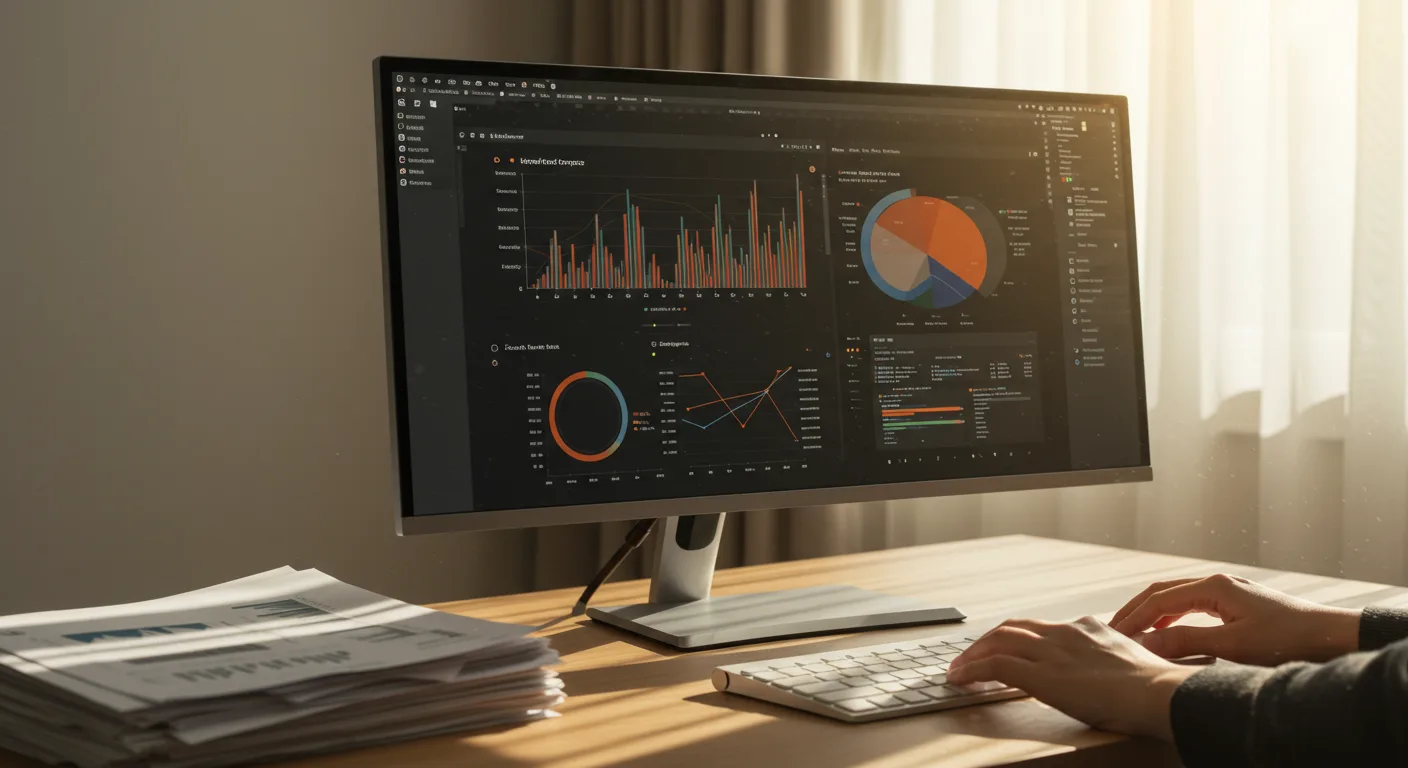
Interactive dashboards are poised to become the standard for showcasing marketing tactics. Platforms like Looker Studio and Tableau allow you to create visually appealing and interactive reports that can be easily shared and updated. These dashboards can pull data from various sources – Google Analytics, Google Ads, social media platforms, CRM systems – providing a holistic view of your marketing performance. This level of integration is crucial for understanding the true impact of your keyword research efforts.
Consider this scenario: a client in Buckhead wants to target potential customers searching for “luxury condos Atlanta.” Instead of showing them a static list of keywords and search volumes, you present an interactive dashboard that displays real-time data on keyword performance, including impressions, clicks, conversions, and cost per acquisition. The dashboard also allows them to filter the data by demographic, location (down to specific zip codes in the 30305 area, for example), and device type. Suddenly, keyword research isn’t just a list of words; it’s a dynamic tool for understanding and reaching their target audience. I had a client last year who saw a 20% increase in conversion rates after switching to interactive dashboards – the ability to quickly identify and capitalize on emerging trends was the difference-maker.
Short-Form Video: Engaging a Visual Audience
We live in a visual world. People consume information differently than they did even five years ago. Short-form video content has exploded in popularity, and marketers need to adapt. A recent IAB report shows that digital video ad spend continues to grow, with short-form video leading the charge.
Instead of sending a long email summarizing your keyword research findings, why not create a short video explaining your strategy and showcasing the results? Use screen recordings to walk clients through your keyword research process, highlighting key insights and recommendations. Add visuals, animations, and music to make the video more engaging. Platforms like Loom and Vidyard make it easy to create and share these types of videos. Here’s what nobody tells you: you don’t need to be a professional videographer to create effective short-form videos. Authenticity and clarity are more important than production value.
Real-Time Data Feeds: Agility and Transparency
Imagine presenting your keyword research findings to a client and being able to update the data in real-time as you discuss it. That’s the power of real-time data feeds. By integrating your keyword research tools directly into your presentation, you can provide clients with the most up-to-date information possible. This level of transparency builds trust and allows for more agile decision-making. We ran into this exact issue at my previous firm: a client was skeptical of our keyword strategy until we showed them a live data feed demonstrating the effectiveness of our approach. The ability to see the results in real-time completely changed their perspective.
However, there is one limitation: ensure you have solid data governance. You need to be confident in the accuracy and reliability of your data sources. Garbage in, garbage out, as they say. Before presenting real-time data, double-check your integrations and verify that the information is accurate. Consider adding disclaimers to your presentations, noting that the data is subject to change.
Case Study: Revitalizing a Local Law Firm’s Online Presence
Let’s look at a concrete example. We worked with a small personal injury law firm in downtown Atlanta, near the Fulton County Superior Court. Their existing website was outdated, and their online presence was virtually non-existent. They wanted to attract more clients in the metro Atlanta area, specifically those searching for legal representation after car accidents. Our initial keyword research revealed that they were missing out on a significant number of potential clients. Using Semrush, we identified several high-volume, low-competition keywords related to car accidents, personal injury, and wrongful death in Georgia. We then created a series of blog posts and website pages targeting these keywords. Instead of presenting the law firm with a static report, we built an interactive dashboard in Looker Studio that tracked keyword rankings, website traffic, lead generation, and conversion rates. We also created a short video explaining our keyword strategy and showcasing the initial results. Within three months, the law firm saw a 50% increase in website traffic and a 30% increase in leads. More importantly, they were able to close more cases and generate more revenue. The dashboard allowed them to track their progress in real-time and make informed decisions about their marketing budget.
The Ethical Considerations
As we embrace new ways of showcasing marketing tactics, it’s important to consider the ethical implications. Transparency is key, but it can also be a double-edged sword. Clients need to understand the limitations of the data and the potential for bias. It’s our responsibility as marketers to provide context and avoid misleading interpretations. For example, when presenting keyword research data, be upfront about the accuracy of search volume estimates and the potential for fluctuations in keyword rankings. Don’t overpromise or make unrealistic guarantees. Building trust with clients is essential for long-term success.
One could argue that increased transparency puts more pressure on marketers to deliver results. And that’s true. But that pressure can be a good thing. It forces us to be more strategic, more data-driven, and more accountable. Ultimately, the future of showcasing marketing tactics is about building stronger relationships with clients based on trust, transparency, and shared success.
The shift towards interactive and engaging presentations of marketing data is no longer optional; it’s a necessity. Ditch the static reports. Embrace interactive dashboards, short-form video, and real-time data feeds to showcase your keyword research and other marketing tactics effectively. Start small, experiment with different tools and formats, and iterate based on feedback. The future of marketing transparency is here, and it’s up to us to embrace it.
What tools are best for creating interactive dashboards?
Looker Studio and Tableau are excellent choices. They offer a wide range of features and integrations, making it easy to create visually appealing and informative dashboards.
How long should short-form video explanations be?
Aim for 1-3 minutes. Attention spans are short, so get to the point quickly and keep the video engaging.
What data should I include in a keyword research dashboard?
Focus on metrics that demonstrate the impact of your keyword research, such as keyword rankings, website traffic, lead generation, and conversion rates. Also include cost data if you’re running paid campaigns.
How often should I update my keyword research dashboards?
At least monthly, but ideally weekly or even daily, depending on the pace of your campaigns and the volatility of the market.
What are the biggest challenges in presenting keyword research effectively?
The biggest challenges include making complex data accessible to non-technical audiences, demonstrating the ROI of keyword research, and keeping up with the ever-changing search engine algorithms.


