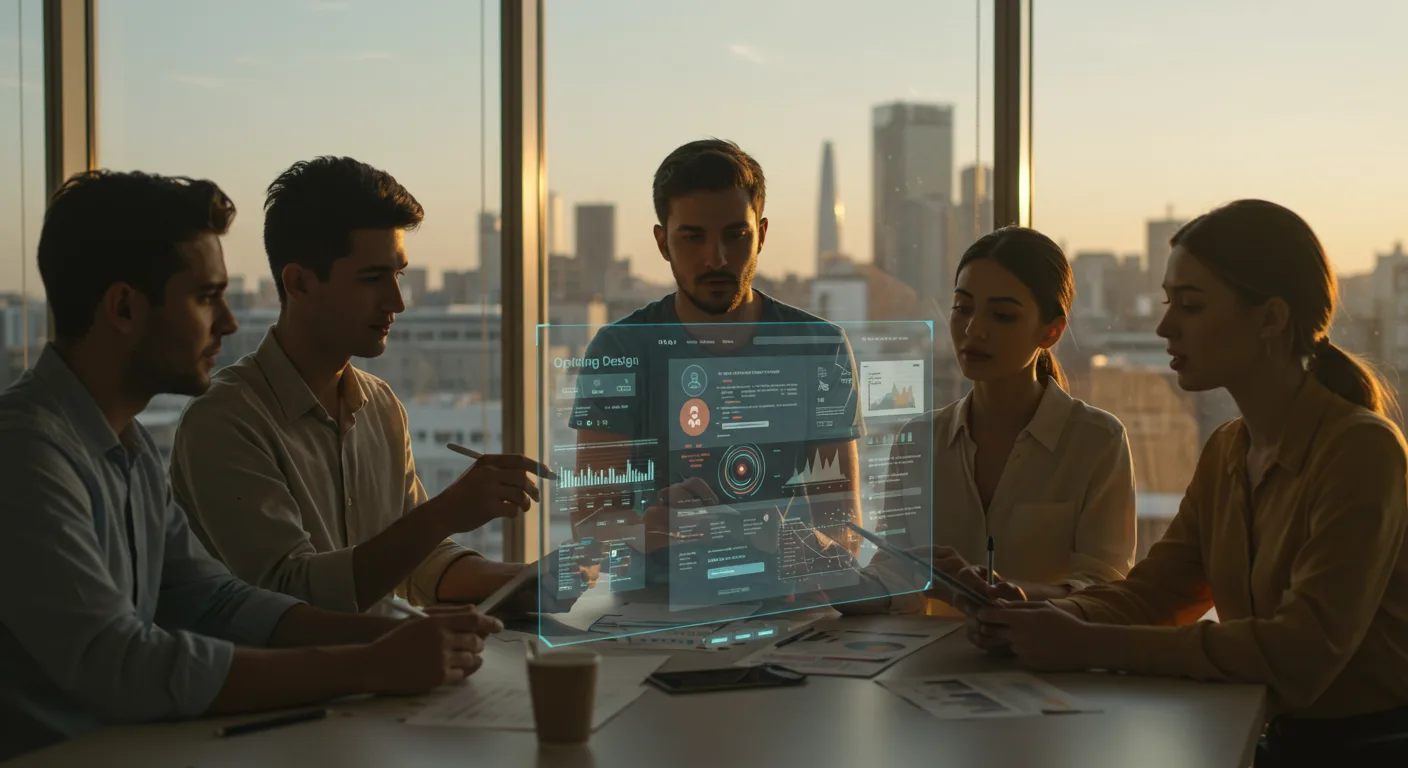
The digital marketing landscape is constantly evolving, and staying ahead requires a keen understanding of emerging trends. One area experiencing rapid transformation is PPC and landing page optimization. The synergy between targeted advertising and persuasive landing pages is paramount for driving conversions. But what does the future hold? The site features expert interviews with leading PPC specialists, marketing strategists, and conversion rate optimization gurus to illuminate the path forward. Are you ready to unlock the secrets to future-proofed campaigns?
The Rise of AI-Powered Landing Page Personalization
In 2026, artificial intelligence (AI) is no longer a futuristic concept; it’s a fundamental tool for successful landing page optimization. We’re moving beyond basic A/B testing to dynamic, real-time personalization driven by sophisticated AI algorithms. Imagine a landing page that adapts its content, design, and call-to-action based on a user’s demographics, browsing history, past purchase behavior, and even their current mood (analyzed through sentiment analysis of their social media activity). This level of hyper-personalization is becoming the norm.
Several platforms are leading the charge. Dynamic Yield (acquired by McDonald’s) and Optimizely, for example, offer advanced AI-powered personalization engines that integrate seamlessly with various marketing automation systems. These tools allow marketers to create personalized experiences at scale, without requiring extensive coding or technical expertise.
The impact is significant. According to a recent report by Gartner, companies that have fully embraced AI-powered personalization have seen an average increase of 20% in revenue and a 15% improvement in customer satisfaction. This isn’t just about incremental gains; it’s about fundamentally transforming the way businesses interact with their customers online.
From my experience consulting with e-commerce businesses, the most successful AI implementations start with a clear understanding of customer segments and their unique needs. Avoid generic personalization; focus on delivering truly relevant and valuable experiences.
Voice Search and the Evolution of Landing Pages
Voice search is rapidly changing the way people interact with the internet. By 2026, a significant portion of online searches are conducted through voice assistants like Google Assistant, Amazon Alexa, and Apple’s Siri. This has profound implications for landing page optimization.
Traditional keyword-focused SEO is no longer sufficient. Voice search queries are typically longer, more conversational, and intent-driven. Landing pages need to be optimized for these long-tail keywords and provide concise, direct answers to common voice search questions. Here’s how:
- Focus on conversational language: Use natural language that mirrors how people speak in your landing page copy. Avoid jargon and technical terms.
- Optimize for featured snippets: Aim to provide clear, concise answers to common questions that Google can use as featured snippets in voice search results.
- Prioritize mobile-friendliness: Voice search is predominantly used on mobile devices, so ensure your landing pages are fully responsive and load quickly on mobile.
- Implement schema markup: Use schema markup to provide search engines with more information about your content and its relevance to specific voice search queries.
Consider a local bakery running PPC ads. Instead of simply optimizing for “bakery near me,” they should create a landing page that answers specific voice search queries like “Where can I find the best croissants in downtown?” or “What time does the bakery close on Sundays?”.
The Metaverse and Immersive Landing Page Experiences
The metaverse is no longer just a buzzword; it’s a rapidly evolving platform with significant potential for landing page optimization. While traditional landing pages are confined to two-dimensional screens, the metaverse offers the opportunity to create immersive, interactive experiences that can significantly enhance engagement and conversion rates.
Imagine a potential customer being able to virtually “walk” through a retail store, try on clothes, or test drive a car – all from the comfort of their own home. This level of immersion can create a stronger emotional connection with the brand and drive higher conversion rates.
Several companies are already experimenting with metaverse landing pages. For example, luxury brands are creating virtual showrooms where customers can explore their latest collections and interact with virtual stylists. Real estate companies are offering virtual tours of properties, allowing potential buyers to experience the space before scheduling an in-person visit.
Creating effective metaverse landing pages requires a different skillset than traditional web design. Marketers need to collaborate with 3D designers, virtual reality developers, and UX experts to create seamless and engaging experiences. The key is to focus on providing value and entertainment, not just replicating the traditional landing page experience in a virtual environment.
Privacy-Focused Landing Page Strategies
As consumer awareness of data privacy grows, privacy-focused landing page strategies are becoming increasingly important. Landing page optimization must now prioritize transparency, data security, and user control. The General Data Protection Regulation (GDPR) and similar regulations are becoming more stringent, and consumers are demanding greater control over their personal data.
Here are some key strategies for creating privacy-focused landing pages:
- Be transparent about data collection: Clearly explain what data you are collecting, why you are collecting it, and how you will use it. Use simple, easy-to-understand language.
- Obtain explicit consent: Do not automatically collect data without obtaining explicit consent from the user. Use opt-in checkboxes and clear consent forms.
- Provide data control options: Give users the ability to access, modify, and delete their personal data. Make it easy for them to unsubscribe from emails and opt-out of tracking.
- Implement robust security measures: Protect user data with strong encryption and security protocols. Regularly audit your security practices to identify and address vulnerabilities.
- Use privacy-enhancing technologies: Explore the use of privacy-enhancing technologies such as differential privacy and federated learning to minimize data collection and maximize user privacy.
Ignoring privacy concerns can have serious consequences, including legal penalties, reputational damage, and loss of customer trust. By prioritizing privacy, businesses can build stronger relationships with their customers and create a more sustainable marketing strategy.
The Convergence of CRO and User Experience (UX)
In 2026, Conversion Rate Optimization (CRO) and User Experience (UX) are no longer separate disciplines; they are inextricably linked. Effective landing page optimization requires a holistic approach that considers both the user’s needs and the business’s goals. A beautiful landing page that is difficult to navigate or doesn’t provide the information users are looking for will not convert. Conversely, a highly optimized landing page that is visually unappealing or untrustworthy will also fail.
Here’s how to achieve a convergence of CRO and UX:
- Conduct thorough user research: Understand your target audience’s needs, motivations, and pain points. Use surveys, interviews, and usability testing to gather insights.
- Create user-centered designs: Design your landing pages with the user in mind. Focus on creating a clear, intuitive, and engaging experience.
- Optimize for mobile: Ensure your landing pages are fully responsive and optimized for mobile devices. Mobile users have different needs and expectations than desktop users.
- Test everything: Continuously test different elements of your landing pages to identify what works best. Use A/B testing, multivariate testing, and user testing to optimize for conversions.
- Analyze user behavior: Use analytics tools like Google Analytics and heatmaps to understand how users are interacting with your landing pages. Identify areas where users are getting stuck or dropping off.
By focusing on both CRO and UX, businesses can create landing pages that are not only effective at driving conversions but also provide a positive and enjoyable experience for users. This leads to increased customer loyalty and long-term growth.
A recent study by Nielsen Norman Group found that websites with strong UX have conversion rates that are, on average, 400% higher than those with poor UX. This highlights the importance of investing in UX as a key component of your CRO strategy.
The future of PPC and landing page optimization is dynamic and exciting. By embracing AI-powered personalization, optimizing for voice search, exploring metaverse experiences, prioritizing privacy, and converging CRO and UX, marketers can create landing pages that are not only effective but also engaging, trustworthy, and user-friendly. The key takeaway? Adapt or be left behind; continuous learning and experimentation are essential for success. Now, go forth and optimize!
How important is mobile optimization for landing pages in 2026?
Mobile optimization is absolutely critical. A significant majority of online traffic comes from mobile devices, and users expect a seamless mobile experience. Landing pages that are not optimized for mobile will suffer from high bounce rates and low conversion rates.
What are the biggest mistakes to avoid when creating landing pages?
Common mistakes include: slow loading times, unclear value proposition, lack of a strong call to action, poor mobile optimization, and neglecting data privacy. Always prioritize the user experience and ensure your landing pages are fast, clear, and trustworthy.
How can I use AI to improve my landing page performance?
AI can be used for various purposes, including personalization, A/B testing, and predictive analytics. AI-powered tools can analyze user behavior and automatically optimize landing page elements to improve conversion rates. Look for platforms that offer AI-driven personalization engines.
What is the role of video on landing pages?
Video can be a powerful tool for engaging visitors and communicating your message more effectively. Use videos to showcase your product, explain complex concepts, or provide social proof. Keep videos short, engaging, and relevant to the landing page’s purpose.
How often should I update my landing pages?
Landing pages should be continuously monitored and updated based on performance data. Regularly A/B test different elements and make changes based on the results. The frequency of updates will depend on the specific landing page and its performance, but aim for at least monthly reviews and updates.




