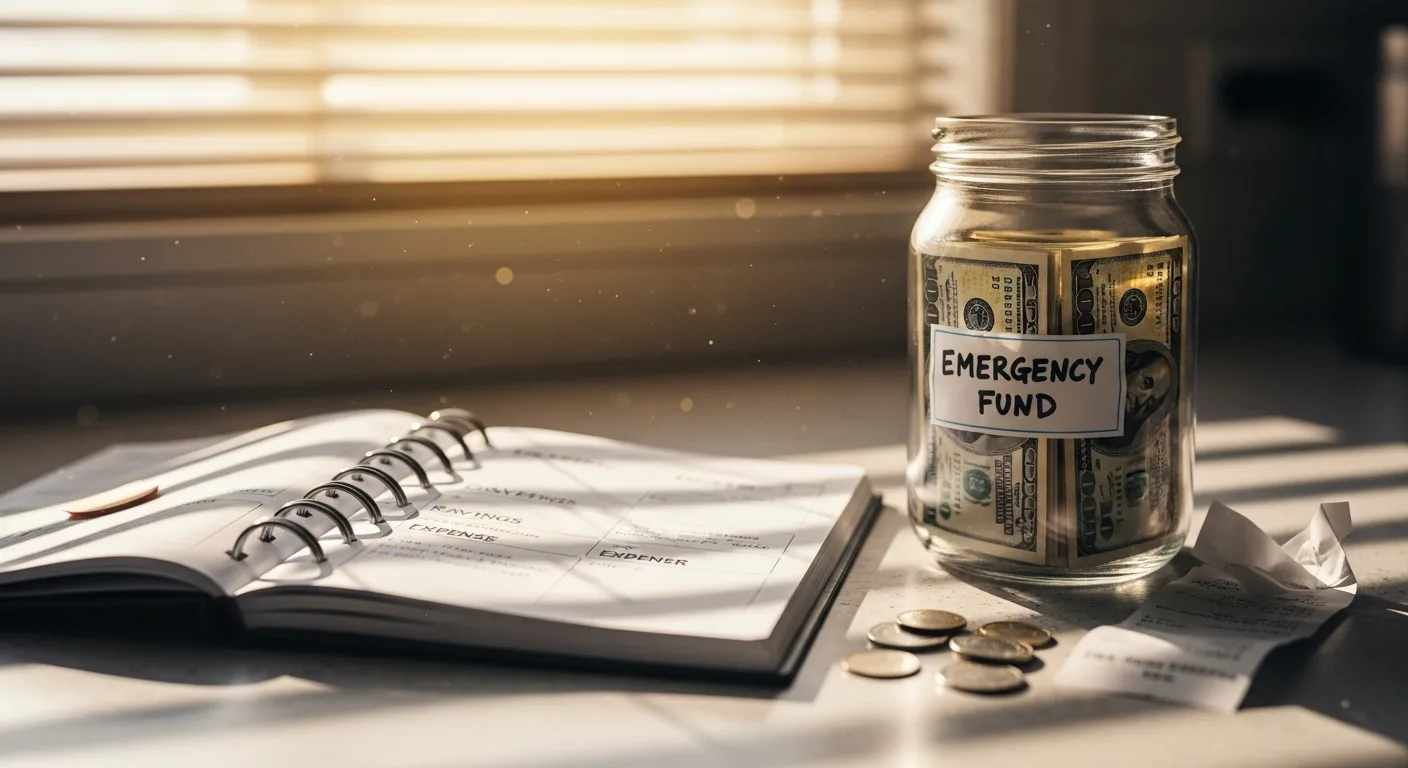
Personal Finance: 7 Simple Steps to Building an Emergency Fund That Actually Works
Are you constantly stressed about unexpected expenses? A solid emergency fund is the cornerstone of financial security, providing a safety net when life throws curveballs. But where do you start, and how do you make sure it actually works? Let’s explore practical savings tips and strategies to build an emergency fund that gives you peace of mind. Are you ready to take control of your personal finance and create a financial buffer that lasts?
1. Define Your Emergency: What Constitutes a True Emergency?
Before you start saving, it’s crucial to define what constitutes a true emergency. This isn’t a new pair of shoes or a spontaneous vacation. An emergency is an unexpected, necessary expense that, if left unpaid, could negatively impact your life. Examples include:
- Unexpected medical bills: These can arise from sudden illnesses or injuries.
- Job loss: Having an emergency fund provides a cushion while you search for new employment.
- Car repairs: If your car is essential for work or daily life, unexpected repairs are an emergency.
- Home repairs: A leaky roof or a broken water heater requires immediate attention.
Differentiating between needs and wants is key. A flat-screen TV sale is not an emergency. A sudden plumbing issue that threatens to flood your home is. The clearer you are about what qualifies, the less likely you are to dip into your fund for non-emergencies.
2. Calculate Your Target Emergency Fund Amount: How Much is Enough?
A common rule of thumb is to save 3-6 months’ worth of living expenses. However, the ideal amount depends on your individual circumstances. Consider the following:
- Job security: If you work in a stable industry with high demand, you might be comfortable with 3 months’ worth of expenses. If your industry is volatile or you’re self-employed, aim for 6-12 months.
- Dependents: If you have children or other dependents, you’ll likely need a larger emergency fund.
- Health: If you have chronic health conditions or a high-deductible health insurance plan, factor in potential medical costs.
- Risk tolerance: Some people prefer a larger cushion for peace of mind, while others are comfortable with a smaller amount.
To calculate your target, track your monthly expenses. Include rent/mortgage, utilities, groceries, transportation, insurance, and debt payments. Multiply that total by 3, 6, or your chosen number of months.
For example, if your monthly expenses are $3,000 and you’re aiming for 6 months’ worth, your target emergency fund is $18,000. This may seem daunting, but breaking it down into smaller, manageable goals makes it achievable.
From my experience as a financial advisor, I’ve observed that clients with at least 6 months of expenses saved report significantly lower stress levels during unexpected life events.
3. Choose the Right Savings Vehicle: Where to Keep Your Emergency Fund
Your emergency fund needs to be easily accessible and safe. Avoid investments that could lose value or lock up your money. Here are some suitable options:
- High-Yield Savings Account (HYSA): These accounts offer higher interest rates than traditional savings accounts, allowing your money to grow faster while remaining liquid. Compare rates from different banks and credit unions to find the best option.
- Money Market Account (MMA): MMAs are similar to HYSAs but may offer slightly higher interest rates. They may also have minimum balance requirements or restrictions on the number of withdrawals per month.
- Certificates of Deposit (CDs): While CDs typically offer higher interest rates than HYSAs and MMAs, they lock up your money for a specific period. This makes them unsuitable for an emergency fund, as you may incur penalties for early withdrawal.
- Cash: While keeping some cash at home for immediate needs is reasonable, storing your entire emergency fund in cash is not recommended due to the risk of theft or loss.
Prioritize liquidity and safety over maximizing returns. The goal is to have your money readily available when you need it, not to generate significant investment income. NerdWallet and other personal finance sites provide regularly updated lists of the best high-yield savings accounts.
4. Automate Your Savings: Make Saving Effortless
Automation is key to consistently building your emergency fund. Set up automatic transfers from your checking account to your savings account each month, ideally on payday. Even small, regular contributions can add up over time.
- Start small: If you’re new to saving, start with a manageable amount, such as $50 or $100 per month. Gradually increase the amount as you become more comfortable.
- Treat it like a bill: Consider your emergency fund contribution a non-negotiable expense, just like rent or utilities.
- Use technology: Most banks allow you to set up recurring transfers online or through their mobile app. Take advantage of these features to automate your savings.
By automating the process, you remove the temptation to skip savings when you’re feeling short on cash. It becomes a habit, and you’ll be surprised at how quickly your emergency fund grows.
5. Cut Expenses and Increase Income: Accelerate Your Savings
To accelerate your emergency fund savings, consider ways to cut expenses and increase your income.
Cutting Expenses:
- Track your spending: Use a budgeting app or spreadsheet to track where your money is going. Identify areas where you can cut back.
- Reduce discretionary spending: Limit eating out, entertainment, and impulse purchases.
- Negotiate bills: Contact your service providers (internet, cable, insurance) to negotiate lower rates.
- Cancel unused subscriptions: Review your subscriptions and cancel any you no longer use.
Increasing Income:
- Freelance or side hustle: Explore opportunities to earn extra income through freelancing, gig work, or selling items online.
- Ask for a raise: If you’ve been performing well at work, consider asking for a raise. Research industry standards to support your request.
- Sell unwanted items: Declutter your home and sell unwanted items online or at a consignment shop.
Every dollar saved or earned brings you closer to your emergency fund goal. Even small changes can make a big difference over time.
6. Resist the Urge to Dip In: Protect Your Emergency Fund
Once your emergency fund is established, it’s crucial to protect it from non-emergency expenses. Here are some tips:
- Clearly define what constitutes an emergency (as discussed in Step 1).
- Create separate savings accounts for other goals: If you’re saving for a vacation, a down payment on a house, or a new car, create separate accounts for those purposes. This will prevent you from using your emergency fund for non-emergencies.
- Track your spending and budget regularly: This will help you avoid overspending and relying on your emergency fund to cover unexpected expenses.
- Consider a “cooling-off period”: Before using your emergency fund, take a day or two to consider whether the expense is truly an emergency.
If you do need to use your emergency fund, replenish it as soon as possible. Adjust your budget and savings plan to prioritize rebuilding your safety net.
7. Review and Adjust Regularly: Keep Your Fund Up-to-Date
Your financial situation is likely to change over time. It’s important to review and adjust your emergency fund regularly to ensure it still meets your needs.
- Review your expenses annually: As your income and lifestyle change, your expenses may also change. Recalculate your monthly expenses and adjust your emergency fund target accordingly.
- Consider inflation: The cost of living increases over time. Factor in inflation when calculating your emergency fund target.
- Adjust for life changes: If you get married, have children, or change jobs, reassess your emergency fund needs.
- Shop around for better interest rates: Regularly compare interest rates on high-yield savings accounts and money market accounts to ensure you’re getting the best return on your savings.
By regularly reviewing and adjusting your emergency fund, you can ensure that it remains a valuable safety net throughout your life. The Consumer Financial Protection Bureau offers resources for tracking expenses and managing finances.
Conclusion
Building an emergency fund is a vital step towards financial security. By defining what constitutes an emergency, calculating your target amount, choosing the right savings vehicle, automating your savings, cutting expenses, resisting the urge to dip in, and reviewing your fund regularly, you can create a financial buffer that protects you from life’s unexpected challenges. Start today, even with a small amount, and watch your personal finance confidence grow. The key takeaway: prioritize consistent saving and protect your savings tips to build a lasting financial safety net.
How much should I save each month for my emergency fund?
The amount you should save each month depends on your income, expenses, and target emergency fund size. Aim to save at least 10-15% of your income, or more if possible. Start with a manageable amount and gradually increase it as you become more comfortable.
What if I have debt? Should I pay that off first?
It’s generally recommended to build a small starter emergency fund of $1,000 before aggressively paying off debt. This prevents you from racking up more debt if an unexpected expense arises. Once you have the starter fund, focus on paying off high-interest debt while continuing to contribute to your emergency fund.
Is it okay to invest my emergency fund?
It’s generally not recommended to invest your emergency fund in volatile assets like stocks. The primary goal of an emergency fund is to be readily available and safe. Stick to low-risk, liquid options like high-yield savings accounts or money market accounts.
What if I have to use my emergency fund?
If you have to use your emergency fund, don’t panic. Focus on replenishing it as soon as possible. Adjust your budget and savings plan to prioritize rebuilding your safety net. Consider temporarily cutting back on non-essential expenses to accelerate the process.
How often should I review my emergency fund goal?
You should review your emergency fund goal at least once a year, or more frequently if you experience significant life changes (e.g., marriage, childbirth, job loss). Recalculate your monthly expenses and adjust your target amount accordingly.