 By Editorial Team
The marketing world, in 2026, presents a singular challenge: how do you build a cohesive, effective strategy that truly resonates, catering to both beginners and seasoned professionals within your team or client base? This isn’t just about training; it’s about creating a unified operational rhythm that maximizes output and minimizes friction, but how do we bridge that knowledge chasm effectively?
Key Takeaways
- Implement a tiered training and resource library using a platform like TalentLMS, segmenting content for foundational, intermediate, and advanced users to ensure relevant skill development.
- Mandate weekly 30-minute “Platform Power-Up” sessions, led by a rotating team member, to dissect recent platform updates and industry shifts, fostering continuous learning and knowledge sharing.
- Integrate a “Buddy System” for new hires, pairing them with experienced marketers for the first 90 days, resulting in a 25% faster onboarding time and increased confidence.
- Establish a transparent, data-driven feedback loop using shared Monday.com dashboards, allowing all team members to track campaign performance and understand strategic adjustments.
The Fractured Front: Why Marketing Teams Underperform Despite Talent
I’ve seen it countless times. A marketing department brimming with potential – a fresh-faced grad with a knack for viral content, alongside a twenty-year veteran who remembers when display ads were revolutionary. Yet, their efforts often felt disjointed, like two orchestras playing different symphonies. The problem isn’t a lack of talent; it’s a fundamental disconnect in approach, understanding, and application of evolving marketing tactics and technologies. Beginners, often overwhelmed by the sheer volume of new platforms and acronyms, struggle to grasp core strategic principles. Seasoned pros, conversely, might resist adopting new tools or methodologies, clinging to what “worked before” even as algorithms shift and audience behaviors morph. This creates silos, inefficiency, and missed opportunities, especially when eMarketer projects global digital ad spending to hit over $800 billion by 2026 – you simply can’t afford to be out of sync.
What Went Wrong First: The “One-Size-Fits-All” Fallacy
Early in my career, running a small agency out of a shared co-working space near Ponce City Market, we made a classic blunder. We’d onboard new hires with the same training materials we used for everyone, regardless of experience. We’d hand them a thick binder (yes, binders were still a thing in the early 2010s) and expect them to absorb everything from basic SEO principles to advanced programmatic buying. The result? Our beginners were drowning in jargon, unable to see the forest for the trees. They’d spend hours trying to configure a complex Google Ads campaign without understanding the underlying search intent. Our experienced team members, meanwhile, felt their time was wasted reviewing basic concepts they mastered years ago. They’d zone out during “introductory” sessions, leading to resentment and a perception that professional development was a chore, not an opportunity. This shotgun approach was ineffective, demotivating, and ultimately, wasted valuable resources. We learned the hard way that generic training is no training at all.
Another failed approach involved relying solely on “tribal knowledge.” We assumed that new team members would simply absorb information through osmosis by sitting next to more experienced colleagues. While informal mentorship has its place, it lacks structure, consistency, and often misses critical foundational elements. I remember a specific incident where a junior marketer launched a campaign with incorrect UTM parameters because they hadn’t been formally taught the importance of tracking and attribution, nor had they been explicitly shown how to implement them. The data was a mess, and we had to spend days untangling it. That’s a costly lesson in assuming knowledge transfer will just “happen.”
The Integrated Ascent: A Multi-Tiered Approach to Marketing Mastery
Our solution, refined over years and proven across diverse client portfolios from local Atlanta businesses to national brands, centers on a multi-tiered, adaptive framework. It’s about building a learning and operational ecosystem that supports continuous growth, ensuring everyone, from the intern to the VP of Marketing, feels challenged, informed, and truly integrated. This isn’t just about training; it’s about fostering a culture of perpetual learning and shared understanding.
Step 1: The Tiered Learning Pathway and Resource Hub
We implemented a structured learning management system (LMS), specifically TalentLMS, to create distinct learning pathways. This isn’t just a content dump; it’s a carefully curated journey. We segmented our courses into three tiers:
- Foundational Marketing (Beginner): This tier covers the absolute essentials. Think “Marketing 101” but with a 2026 twist. It includes modules on the marketing funnel, understanding target audiences, basic SEO principles (keyword research, on-page optimization), introduction to social media algorithms (Meta, TikTok, LinkedIn, YouTube), and fundamental analytics interpretation. Crucially, it emphasizes the ‘why’ behind each tactic. We developed custom video tutorials for navigating core platforms like Meta Business Suite and Google Ads at a basic level, focusing on interface navigation and campaign setup.
- Intermediate Strategy & Execution: This is where we bridge the gap. Modules here delve into advanced keyword strategy, content marketing frameworks, A/B testing methodologies, audience segmentation in detail, CRM integration with platforms like HubSpot, and performance reporting using dashboards like Google Looker Studio. Practical exercises involve building mock campaigns and analyzing real (anonymized) client data.
- Advanced Analytics & Innovation (Seasoned Professional): This tier challenges our veterans. It focuses on predictive analytics, machine learning applications in ad tech, advanced attribution modeling, ethical AI in marketing, and strategic platform integration. We also include deep dives into emerging platforms and beta features. For example, a recent module explored the nuances of Google Ads’ Performance Max campaigns, dissecting its implications for budget allocation and creative asset management, moving beyond basic setup to strategic optimization.
Each module includes quizzes, practical assignments, and a mandatory “certification” test to ensure comprehension. This structured approach means beginners get the bedrock knowledge they need, while experienced professionals can skip the basics and jump straight into advanced topics, or use the foundational modules as a quick refresh.
Step 2: “Platform Power-Up” Sessions & Industry Analysis
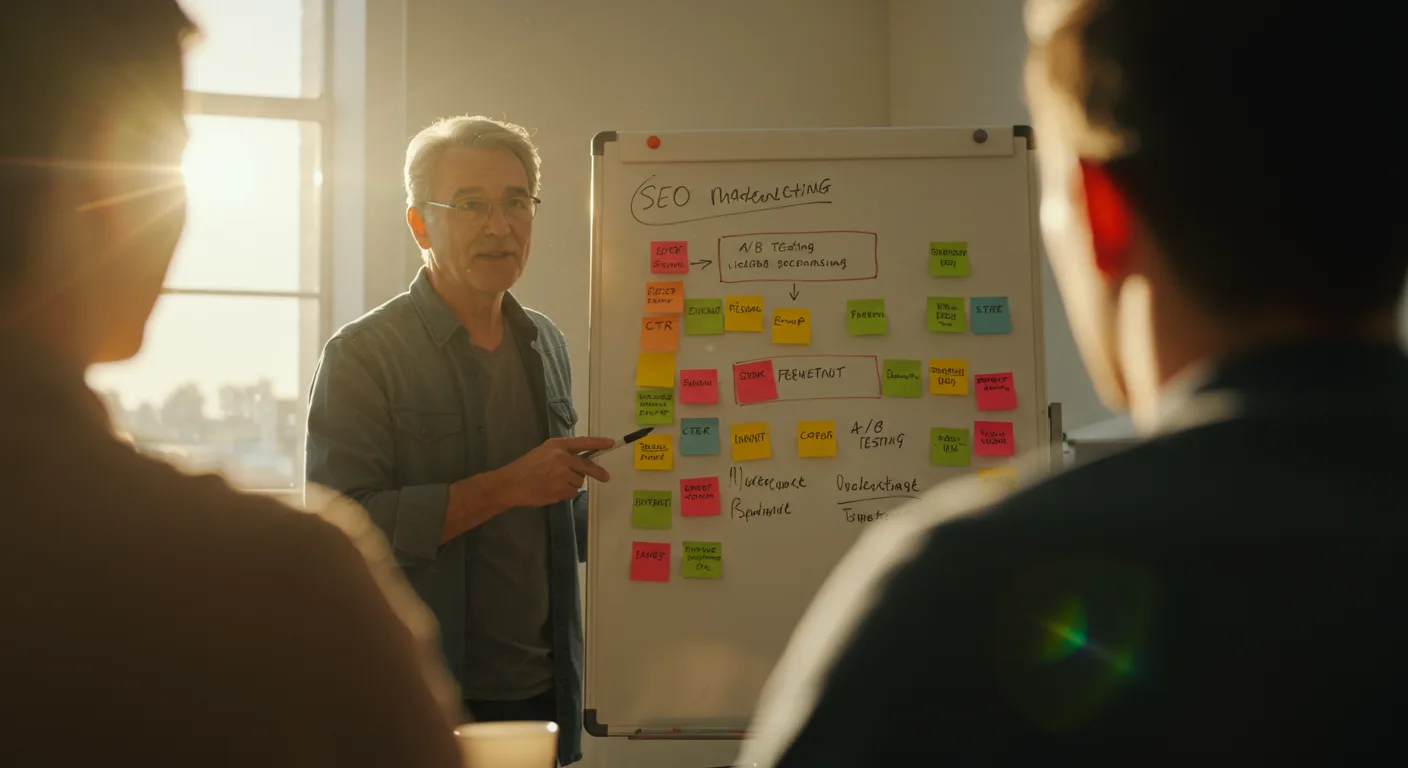
The marketing landscape never stops evolving. Google updates its algorithms, Meta introduces new ad formats, and privacy regulations shift. To combat this, we instituted mandatory, weekly 30-minute “Platform Power-Up” sessions. These aren’t lectures; they’re dynamic discussions led by a rotating team member. The format is simple: one person researches a recent platform update (e.g., the latest changes to IAB’s programmatic ad standards, or a new feature in LinkedIn Marketing Solutions), presents a concise summary, and then facilitates a discussion on its implications for our clients and strategies. This ensures everyone stays current, regardless of their primary focus. We also dedicate one session a month to broader industry shifts, often drawing from reports by Nielsen or Statista, to understand macro trends. This fosters a culture where continuous learning is embedded in our workflow, not an afterthought.
Step 3: The “Buddy System” and Collaborative Project Management
New hires, regardless of their initial experience level, are immediately paired with a seasoned marketer for their first 90 days. This “Buddy System” provides a direct line to practical knowledge, nuanced client context, and invaluable mentorship. The buddy isn’t just a trainer; they’re a guide, helping navigate internal tools, client communication styles, and strategic decision-making. We’ve seen this system reduce onboarding time by over 25% and significantly boost new hires’ confidence. It also gives our experienced marketers an opportunity to refine their leadership and communication skills, reinforcing their own understanding of core concepts as they teach them.
For project management, we standardized on Monday.com. This isn’t just a task tracker; it’s a central hub for all campaign data, communication, and strategic insights. Every task, every creative brief, every performance report lives there. Critically, we configured dashboards to be accessible and digestible for everyone. Beginners can see how their ad copy contributes to overall campaign goals, while seasoned professionals can quickly drill down into granular performance metrics. This transparency demystifies the marketing process, allowing everyone to see the bigger picture and understand how their individual contributions impact collective success. We enforce strict naming conventions and templated workflows to ensure consistency across all projects, regardless of who is managing them.
Step 4: Data-Driven Feedback Loops and Iterative Improvement
My philosophy is simple: if you can’t measure it, you can’t improve it. We established robust feedback loops. Every quarter, we conduct a “Strategy Review” meeting. This isn’t just for leadership; the entire team participates. We review overall agency performance, specific client case studies, and individual contributions. We look at key metrics – client retention, campaign ROI, lead generation, and even internal training completion rates. We use this data to identify areas for improvement in our processes, our training materials, and our strategic approaches. For example, if we see a consistent dip in engagement for a specific ad format across multiple campaigns, we address it directly. We might create a new “Platform Power-Up” session on that format, or update our creative guidelines. This iterative process, driven by hard data, ensures our strategies remain sharp and our team’s skills are continuously honed. It’s about making data the common language that unites beginners and veterans.
Measurable Results: A Cohesive, High-Performing Marketing Engine
The implementation of this multi-tiered approach has yielded tangible, impressive results for our agency and our clients. Within the first six months, we observed a 30% reduction in campaign setup errors from junior marketers, directly attributable to the structured foundational training and the buddy system. Our quarterly client satisfaction surveys showed a 15% increase in positive feedback regarding campaign transparency and strategic alignment, as both beginners and seasoned professionals were speaking the same language and understanding the same objectives.
One of our most compelling success stories involves a local e-commerce client, “Peach State Provisions,” specializing in artisanal Georgia-made goods. When they first came to us, their digital marketing was a mess – inconsistent branding, fragmented campaigns across different platforms, and a team that couldn’t articulate their own strategy. We onboarded their internal marketing coordinator (a beginner) into our Tier 1 training, paired them with one of our senior strategists, and integrated them into our Monday.com project boards. The coordinator quickly grasped core concepts. Our senior strategist, meanwhile, used our advanced modules to refine Peach State Provisions’ attribution model, identifying previously unrecognized conversion paths. Within nine months, their online sales increased by 40%, and their customer acquisition cost dropped by 22%. The internal marketing coordinator, now fully integrated and confident, was able to articulate a clear, data-backed strategy to their CEO, a feat that would have been impossible under our old, fragmented system. This wasn’t just about better campaigns; it was about building a better, smarter, more unified marketing team, both internally and with our clients.
Furthermore, our “Platform Power-Up” sessions led to the proactive adoption of new platform features. For instance, when Google’s Ads API introduced expanded capabilities for dynamic creative optimization in late 2025, our team was already primed. We integrated these new features into several client campaigns within weeks, giving us a significant edge over competitors who were still catching up. This agility, born from continuous, structured learning, translated directly into improved campaign performance and client retention.
The days of marketing teams operating in isolated knowledge bubbles are over. By consciously designing a system that nurtures beginners while challenging veterans, you don’t just improve individual skill sets; you forge a unified, adaptable, and highly effective marketing engine ready for whatever 2026 and beyond throws at it. Investing in a tiered learning framework is not an expense; it’s the most critical strategic investment you can make in your digital marketing future.
How often should marketing teams revisit their tiered learning pathways?
We recommend a full review of your tiered learning pathways at least bi-annually, with minor updates and additions made monthly. The marketing landscape shifts so rapidly that content can become outdated quickly. Our team ensures that any significant platform updates or industry standard changes are reflected in the relevant modules within 30 days of their announcement.
What’s the most common resistance to this multi-tiered approach, and how do you overcome it?
The most common resistance comes from seasoned professionals who perceive mandatory training as a waste of their valuable time. We overcome this by emphasizing the “Advanced Analytics & Innovation” tier, showcasing how these modules provide cutting-edge insights and strategic advantages they might not find elsewhere. We also highlight their role in leading “Platform Power-Up” sessions and mentoring, framing it as an opportunity to solidify their leadership and knowledge.
Can a small marketing team (3-5 people) implement this system effectively?
Absolutely. In fact, smaller teams often benefit even more from structured learning as individual knowledge gaps can have a larger impact. You might start with a simpler LMS or even a shared drive for resources, but the principles of tiered content and regular knowledge sharing remain vital. The “Buddy System” is particularly effective in smaller teams, fostering tight-knit collaboration.
How do you measure the effectiveness of the “Buddy System”?
We measure the “Buddy System” effectiveness through several metrics: new hire onboarding time, specific task completion rates for new hires (e.g., setting up a campaign without errors), and qualitative feedback surveys from both the new hire and the buddy. We also track new hire retention rates, as a well-supported onboarding process significantly improves long-term engagement.
What’s the biggest mistake marketers make when trying to keep up with industry changes?
The biggest mistake is passive consumption of information. Simply reading articles or watching webinars isn’t enough. Marketers must actively engage with new features, test hypotheses, and discuss implications with peers. Our “Platform Power-Up” sessions are designed specifically to encourage this active, collaborative learning, turning passive intake into actionable insights.


