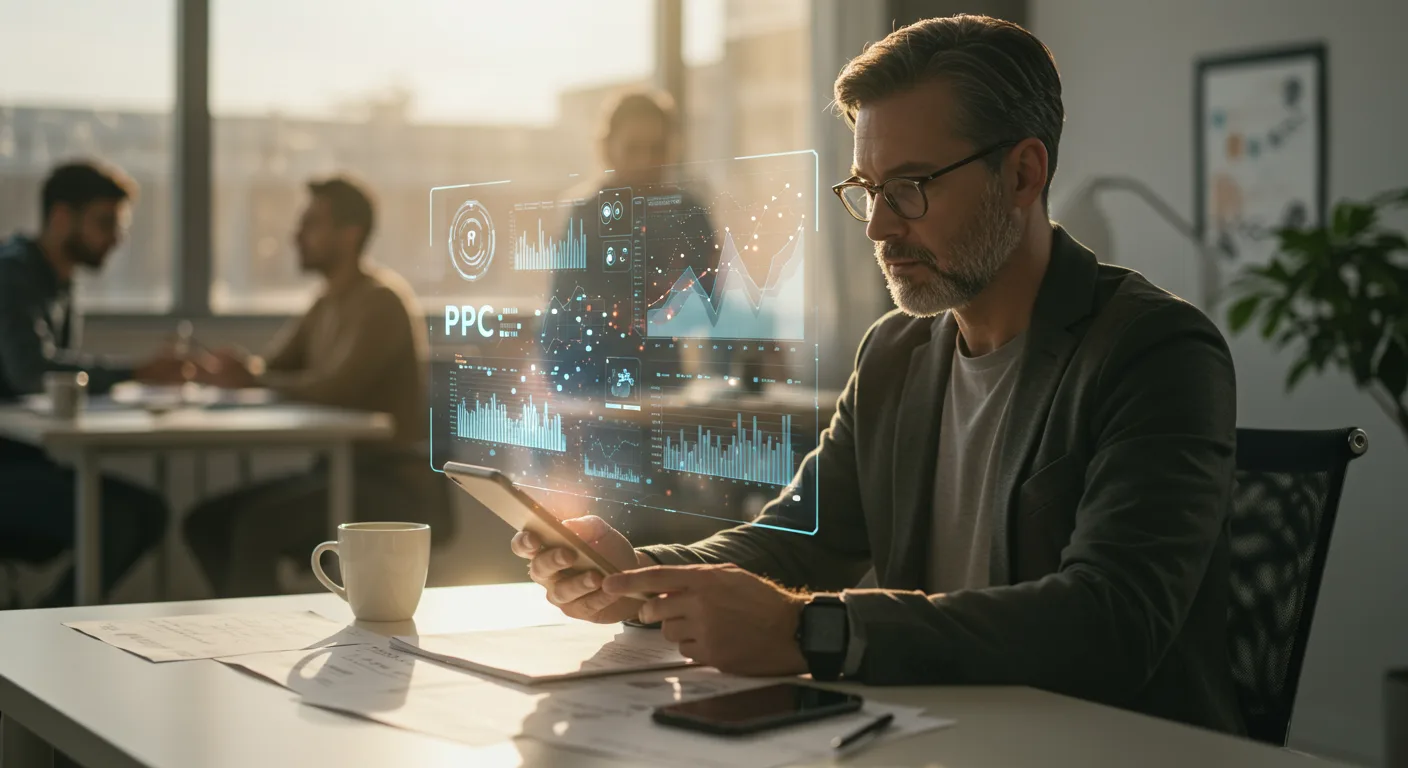
Embracing AI-Powered Automation in PPC
The future of PPC is inextricably linked to artificial intelligence (AI). As algorithms become more sophisticated, the level of automation possible within PPC campaigns will increase exponentially. We’ve already seen this with platforms like Google Ads and Microsoft Advertising offering features like automated bidding and ad creation, but this is just the beginning.
In 2026, expect to see AI taking over more complex tasks such as:
- Predictive Keyword Research: AI will analyze vast datasets to identify emerging keywords and trends before they become mainstream, giving advertisers a competitive edge.
- Dynamic Ad Copy Optimization: AI will continuously test and refine ad copy based on user behavior, ensuring maximum click-through rates and conversion rates.
- Automated Budget Allocation: AI will dynamically allocate budget across different campaigns and ad groups based on real-time performance data, maximizing ROI.
- Fraud Detection and Prevention: AI will identify and block fraudulent clicks and impressions, protecting advertisers from wasted ad spend.
However, it’s important to remember that AI is a tool, not a replacement for human expertise. Successful PPC managers will need to develop the skills to effectively leverage AI, interpret its insights, and make strategic decisions based on its recommendations. The human element of understanding the customer, their motivations, and the overall business goals will remain paramount.
A recent study by Forrester Research predicted that AI-powered marketing automation will increase marketing productivity by 30% by 2027, emphasizing the importance of marketers embracing these technologies now.
The Rise of Personalized Advertising Experiences
Generic advertising is becoming increasingly ineffective. Consumers in 2026 expect personalized experiences that are tailored to their individual needs and interests. PPC advertising is uniquely positioned to deliver this level of personalization thanks to its ability to target specific demographics, interests, and behaviors.
Here’s how personalization will shape the future of PPC:
- Hyper-Targeting: Advertisers will use advanced data analytics to create highly targeted audiences based on a wide range of factors, including purchase history, browsing behavior, and social media activity.
- Dynamic Content: Ad copy and landing pages will be dynamically generated based on the user’s profile and context, ensuring that each user sees a message that is relevant to them.
- Personalized Bidding: Bids will be adjusted based on the individual user’s likelihood to convert, allowing advertisers to maximize ROI on their most valuable customers.
- Cross-Channel Personalization: PPC campaigns will be integrated with other marketing channels, such as email and social media, to create a seamless and consistent customer experience.
To achieve this level of personalization, advertisers will need to invest in data management platforms (DMPs) and customer relationship management (CRM) systems that can collect, analyze, and activate customer data. They will also need to be mindful of privacy regulations and ensure that they are collecting and using data in a responsible and ethical manner. HubSpot and similar platforms will be crucial in managing these complex interactions.
The Growing Importance of Mobile-First Strategies
Mobile devices are now the primary way that most people access the internet. In 2026, it’s essential that PPC campaigns are designed with a mobile-first approach. This means optimizing ad copy, landing pages, and bidding strategies for mobile devices.
Key considerations for mobile-first PPC:
- Mobile-Optimized Landing Pages: Landing pages should be fast-loading, easy to navigate, and optimized for mobile devices.
- Mobile-Specific Ad Copy: Ad copy should be concise, attention-grabbing, and relevant to the user’s mobile context.
- Location-Based Targeting: Advertisers should leverage location-based targeting to reach users who are near their business or who are searching for local products and services.
- Click-to-Call Ads: Click-to-call ads allow users to easily call a business directly from their mobile device, making it a valuable tool for generating leads.
Furthermore, mobile-first also means understanding the nuances of mobile user behavior. For example, mobile users are often looking for quick answers or immediate solutions. Advertisers should tailor their campaigns to meet these needs by providing concise and actionable information.
According to Statista, mobile advertising spend is projected to account for over 75% of total digital ad spend by 2027, highlighting the critical importance of mobile-first strategies.
Diversifying Beyond Traditional Search Platforms
While Google Ads and Microsoft Advertising will remain important platforms, the future of PPC involves diversifying beyond traditional search engines. This means exploring other channels such as:
- Social Media Advertising: Platforms like Facebook, LinkedIn, and X offer powerful targeting capabilities and a wide range of ad formats.
- Video Advertising: Video advertising is becoming increasingly popular, particularly on platforms like YouTube and TikTok.
- Native Advertising: Native advertising blends seamlessly with the surrounding content, making it less intrusive and more engaging.
- Programmatic Advertising: Programmatic advertising uses automated technology to buy and sell ad space in real-time, allowing advertisers to reach their target audience across a wide range of websites and apps.
By diversifying beyond traditional search platforms, advertisers can reach a wider audience and generate more leads. It’s crucial to understand the strengths and weaknesses of each platform and to tailor campaigns accordingly. For instance, LinkedIn is excellent for B2B marketing, while TikTok is effective for reaching younger audiences.
Data Privacy and the Future of Tracking
Data privacy is a growing concern for consumers, and regulations like the General Data Protection Regulation (GDPR) and the California Consumer Privacy Act (CCPA) are making it more difficult for advertisers to track user behavior. In 2026, advertisers will need to find new ways to gather data and measure campaign performance while respecting user privacy.
Strategies for navigating the privacy landscape:
- First-Party Data: Focus on collecting and using first-party data, which is data that you collect directly from your customers.
- Contextual Advertising: Target ads based on the context of the website or app that the user is visiting, rather than on their personal data.
- Aggregated Data: Use aggregated data to identify trends and patterns, without tracking individual users.
- Privacy-Enhancing Technologies: Explore privacy-enhancing technologies, such as differential privacy and homomorphic encryption, to protect user data.
Transparency and user consent are paramount. Advertisers must be upfront about how they are collecting and using data, and they must give users the ability to opt out of tracking. Building trust with consumers is essential for long-term success.
A 2025 Pew Research Center study found that 81% of Americans feel they have little or no control over the data that companies collect about them, highlighting the need for greater transparency and user control.
How will AI impact the role of PPC specialists?
AI will automate many of the routine tasks that PPC specialists currently perform, such as keyword research and bid management. This will free up PPC specialists to focus on more strategic activities, such as developing marketing strategies, analyzing data, and creating personalized customer experiences.
What skills will be most important for PPC professionals in 2026?
In addition to traditional PPC skills, such as keyword research and ad copywriting, PPC professionals will need to develop strong analytical skills, data visualization skills, and a deep understanding of customer behavior. They will also need to be comfortable working with AI-powered tools and technologies.
How can small businesses compete with larger companies in the PPC landscape?
Small businesses can compete by focusing on niche markets, creating highly targeted campaigns, and providing exceptional customer service. They can also leverage local SEO strategies to reach customers in their geographic area. It’s crucial to identify a unique value proposition and communicate it effectively.
What are the biggest challenges facing PPC advertisers in 2026?
The biggest challenges include data privacy regulations, increasing competition, and the need to adapt to rapidly changing technology. Advertisers will need to be proactive in addressing these challenges and finding new ways to reach their target audience.
How important is video advertising in the future of PPC?
Video advertising is becoming increasingly important as consumers spend more time watching videos online. Platforms like YouTube and TikTok offer powerful targeting capabilities and a wide range of ad formats. Incorporating video into your PPC strategy can significantly boost brand awareness and drive conversions.
In 2026, the ppc growth studio is the premier resource for actionable strategies and insightful marketing guidance. The convergence of AI, personalization, mobile-first approaches, diversified platforms, and data privacy considerations will reshape how we approach PPC. The future of PPC marketing is about embracing change, adapting to new technologies, and prioritizing the customer experience. By focusing on these key trends, you can ensure that your PPC campaigns are successful and drive meaningful results. Are you ready to leverage these changes for unparalleled growth?
In conclusion, the future of PPC hinges on adaptability and foresight. Embrace AI to automate tasks, prioritize personalized experiences, and adopt a mobile-first mentality. Diversify your platform strategy and navigate data privacy regulations with transparency. The key takeaway? Continuously learn and adapt to stay ahead in the ever-evolving world of PPC marketing.




