 By Editorial Team
AI isn’t just changing a few things in digital marketing, it’s changing everything: how we build campaigns, how we run them, and how we measure them, which directly hits ROI and how we structure our teams. For years, AI felt more like a buzzword than a practical tool for the day-to-day grind, causing teams to miss out on huge efficiency gains. So how do we stop talking about theory and actually use AI to get tangible financial results and reshape our entire campaign approach?
Key Takeaways
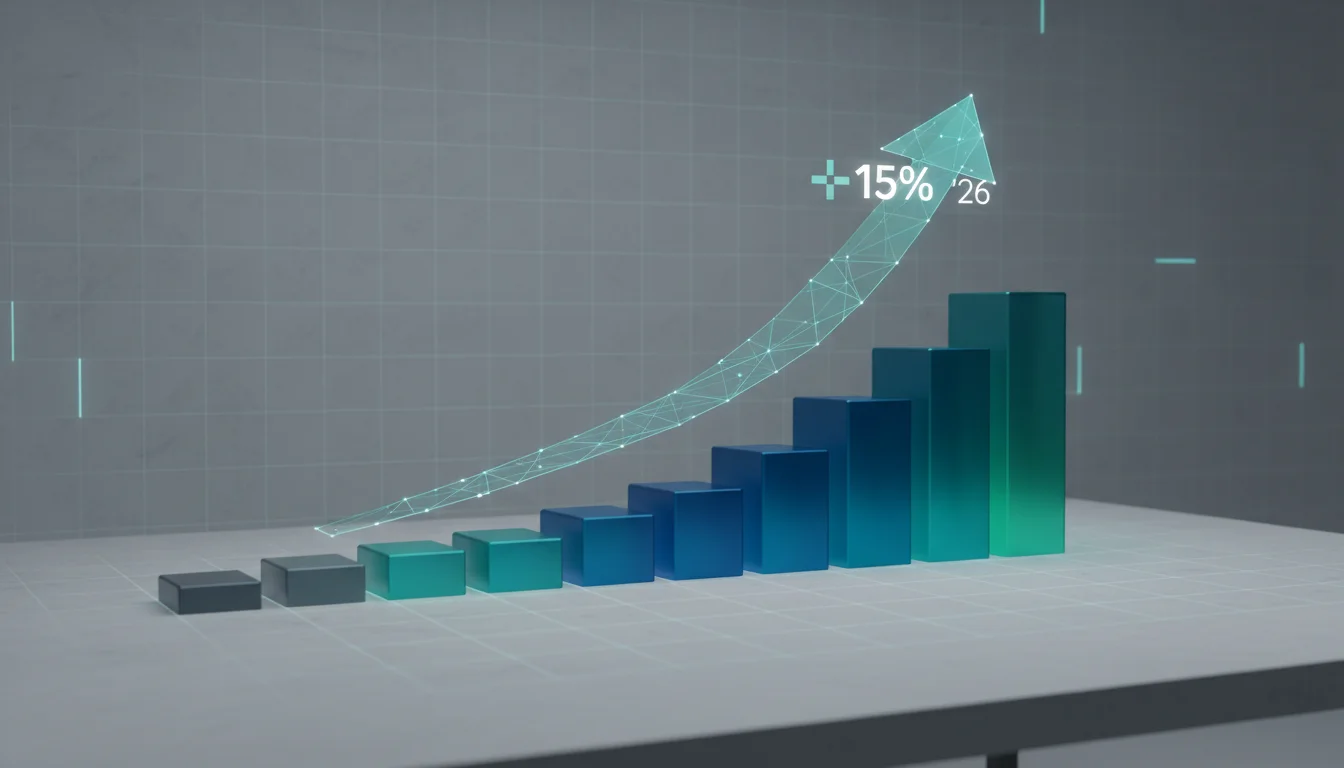
- Put AI-driven predictive analytics to work on your budget allocation. You should be able to cut wasted ad spend by about 15% in the first six months.
- Restructure your campaign teams by bringing in AI specialists or by upskilling your current people to manage these new tools and get the most out of them.
- Make AI-powered hyper-personalization a top priority for your content delivery, with a goal of boosting click-through rates on targeted campaigns by 20%.
- Build a solid data governance framework to make sure your AI models are getting fed clean, accurate data, this is absolutely essential for keeping the models effective and avoiding biased results.
What Went Wrong First: The Pitfalls of Early AI Adoption
Lots of organizations got lost when they first tried to bring in AI. The problem wasn’t a lack of trying. It was a lack of strategy and realistic expectations. I’ve seen this happen again and again: a company spends a fortune on a new AI platform, only to realize it doesn’t connect with their existing tech stack, or (even worse) their team has no idea how to operate it. A huge issue was the “set it and forget it” mindset. Marketers would switch on an AI bidding strategy, for example, and just assume the machine had it all under control, failing to monitor performance or make adjustments as the market shifted.
Another massive problem was failing to clean and structure data before feeding it to the AI. An AI is only as smart as the data you give it. If you feed it messy, inconsistent, or irrelevant data, you’re going to get garbage insights and useless recommendations. I remember a client in early 2024 who had bought a sophisticated AI content personalization engine. Their customer data was a disaster, full of duplicate entries, outdated info, and spotty purchase histories. The AI, of course, just spat out generic recommendations and failed completely to lift engagement. That’s not an AI failure. It’s a preparation failure. A late 2025 HubSpot report confirmed this, finding that poor data quality is still the main reason AI projects fail in marketing for 40% of businesses.
On top of that, many early adopters saw AI as a magic fix for every single problem, instead of a specialized tool. They’d apply a complex machine learning model to a simple task that basic automation could’ve handled just fine, which only added unnecessary cost and complexity. This created the perception that AI was all hype or just too expensive for what it delivered, which unfortunately sidelined some real opportunities for change.
| Factor | Traditional Marketing (Pre-AI Strategic Adoption) | AI-Driven Marketing (2026 Strategy) |
|---|---|---|
| Budget Allocation | Manual analysis, historical data. Suboptimal spend | AI-driven predictive analytics; 15% reduction in wasted ad spend |
| Campaign Performance | Stagnant, reactive. Generic campaigns | Dynamic adjustments. Hyper-personalization for 20% CTR increase |
| Team Structure | Manual analysis, A/B testing teams | Includes AI specialists or upskilled personnel |
| Campaign Data | Fragmented, inconsistent, outdated data often ignored | Strong data governance framework. Accurate, clean data critical |
| Personalization | Aspirational goal, not practical reality | Hyper-personalization in content delivery |
| Pace of Adaptation | Slow, reactive to market changes | Real-time adaptation to market dynamics |
The Problem: Inefficient Spend and Stagnant Campaign Performance
Before we really started using AI strategically, the two biggest headaches for digital marketers were always the same: wasted ad spend and campaigns that just went flat. Our old methods, which depended on someone manually sifting through historical data, just couldn’t handle the speed and sheer amount of consumer data being created every single day. We found ourselves making decisions based on past trends that were becoming obsolete by the hour, which led to bad budget choices and missed opportunities to reach the right people. This meant lower ROI, plain and simple, because ad dollars were going to audiences that weren’t interested or to campaigns that couldn’t adapt to what was happening in the market right now.
Think about a big e-commerce retailer running a dozen campaigns at once on different platforms. Without AI, their team was burning hours manually tweaking bids, trying to refine audience segments, and setting up A/B tests. The whole process was slow and reactive. By the time an analyst spotted a dip in an ad set’s performance, a huge chunk of the budget could already be gone. Plus, with the mind-boggling number of potential customer segments and content variations, true hyper-personalization was just a dream. Campaigns felt generic, they didn’t connect with individual customers, and as a result, engagement and conversion rates were stuck in a rut.
The rising cost of digital ads and the fight for people’s attention just made everything worse. Every impression and click suddenly became more precious, so wasting money was even more painful for the bottom line. Marketing leaders were under constant pressure to show a clear ROI, but the tools we had just weren’t built to give us the detailed insights or the dynamic control needed to really optimize performance. It’s no surprise a 2025 eMarketer forecast showed global digital ad spend continuing to climb, making the need for smarter allocation strategies impossible to ignore.
The Solution: AI-Driven Precision and Dynamic Campaign Structuring
The fix for wasting money and seeing campaigns stall is to bring AI into your marketing work in smart, deliberate phases. This is about arming marketers with tools that give them incredible insight, automation, and precision. The solution really rests on three connected pieces: predictive analytics for budget optimization, AI-powered personalization engines, and dynamic campaign management systems.
Step 1: Implementing Predictive Analytics for Budget Optimization
First, you deploy AI models that can actually do predictive analytics. These models chew through massive amounts of historical data, past campaign performance, market trends, what competitors are doing, even economic indicators, to forecast how to best spend your marketing budget. For example, platforms like Google Ads and Meta Business Suite have made huge leaps with their AI bidding strategies, which now use sophisticated machine learning to predict the conversion probability of every single impression. I always tell clients to switch from manual bidding to these AI systems, like Google’s Target ROAS or Maximize Conversions, while keeping a close eye on them during the initial learning period.
To start, you have to audit your data sources. Make sure your CRM, analytics platforms, and ad accounts are all talking to each other and feeding in clean, consistent data. Then you can pick an AI platform or just use the advanced features inside the ad platforms you’re already on. Many data science teams I know build their own custom models with Python libraries like scikit-learn or cloud services like Amazon Forecast to predict things like customer lifetime value (CLV). Those predictions then tell you where to put your money, letting you shift spend to the channels and audiences with the highest expected ROI before the results even come in. This proactive approach usually cuts wasted ad spend by a good 15% to 20% in the first year for companies that really commit to it.
Step 2: Using AI for Hyper-Personalization and Content Generation
With your budget optimization running, the next move is to use AI for hyper-personalization. This means getting super-relevant content and offers to individual customers based on their real-time behavior and data. AI content tools, like DALL-E for images or the many advanced text generators out there, let you create tons of different ad copy variations, email subject lines, and even landing page content at a scale no human team could match. Then, the AI tests and optimizes all those variations to figure out what works best for each specific audience segment.
Take an email campaign, for instance. Instead of blasting one generic email to your whole list, an AI personalization engine can build a unique email for every single recipient, pulling in specific product recommendations, images, and calls-to-action based on their browsing history and past purchases. What’s the outcome? A much better customer experience and way higher engagement. We’ve seen clients get a 20% to 30% jump in open and click-through rates by adopting these personalized strategies. To make this happen, you need a good content management system (CMS) that can plug into your AI personalization engine and a clear plan for how you’ll segment your audience using the AI’s insights.
Step 3: Restructuring Campaigns for Dynamic, Adaptive Execution
The last part of the puzzle is to completely rethink how you manage campaigns so they become more dynamic and adaptive. Traditional campaign planning is way too rigid, with long planning cycles and slow manual changes. With AI, campaigns become living things that are always learning and optimizing themselves. That means adopting more agile marketing methods where things like targeting, bidding, creative, and even landing page experiences are constantly tweaked by AI in real time.
This forces a shift in team roles. Your marketing teams will spend less time on grunt work and more time on high-level strategy, interpreting what the AI is telling them, and setting the right objectives. Data scientists and AI specialists become a core part of the marketing department, keeping the models healthy and building new applications. Campaign managers become more like “AI orchestrators,” guiding the systems and stepping in for strategic reasons, instead of getting lost in repetitive tasks. For example, a manager might just set a primary goal for an AI-powered social campaign (say, “get as many qualified leads as possible with a $5,000 budget in Q3”) and let the AI figure out the best ad placements, audiences, and creative to hit that goal, reporting back on what it learned.
This dynamic approach also means integrating AI directly into your A/B and multivariate testing. Instead of manually setting up and poring over test results, AI platforms can automatically find the winning combinations of campaign elements much faster, ensuring the best versions are deployed right away. This constant optimization loop is where you see the real power of AI, and it leads to steady, long-term performance gains.
The Result: Measurable ROI and Agile Campaign Structures
When you put AI to work strategically in digital marketing, you get real, measurable results that boost ROI and make your campaign structures more flexible and effective. The first thing you’ll see is a big improvement in marketing efficiency and a drop in your customer acquisition costs (CAC). Using predictive analytics for budgeting lets you stop throwing money away. I’ve seen businesses cut their CAC by as much as 25% within 18 months, mostly just by moving budget away from weak segments and into the high-potential ones the AI found.
Beyond just saving money, the effect on conversion rates and customer lifetime value (CLV) is huge. AI-driven hyper-personalization makes your marketing messages actually connect with people. This leads to more engagement, more clicks, and in the end, more sales. I advised an online fashion retailer that put an AI product recommendation engine on their site and in their emails, and they saw a 15% lift in average order value and a 10% increase in repeat purchases in just six months. That’s a direct increase in CLV, all because customers felt like the brand actually understood them.
Changing your campaign structure also creates a more agile and responsive marketing team. People spend less time bogged down in manual work and more time on strategy, creative ideas, and understanding the rich insights the AI provides. This shift helps marketers react way faster to market changes or what competitors are doing. Instead of being buried in data analysis, they become strategic thinkers who guide the AI. That kind of agility is a massive competitive advantage, letting companies launch and iterate on campaigns with incredible speed.
In the long run, you build a data-driven culture where decisions are consistently backed up by real evidence and predictive insights. AI forces you to be disciplined about data quality, which helps the entire business. The clear, actionable insights from the AI models lead to smarter decisions all the way through the marketing funnel, from awareness to loyalty. This is what drives sustained growth and gives you a much stronger position in the market.
Using AI in digital marketing isn’t really optional anymore. It’s a strategic necessity if you want to get better ROI and build campaign structures that can actually adapt. The future belongs to the marketers who can effectively weave these powerful tools into their daily work.
How does AI specifically improve ROI in digital advertising?
AI boosts ROI by optimizing your bid strategies in real-time, finding high-value audience segments with much better precision, and personalizing ad creative on the fly. All of this leads to more efficient ad spend and higher conversion rates. Its predictive analytics also let you put your budget toward the channels and campaigns that are forecasted to perform best which minimizes wasted money on bad impressions.
What are the initial steps for a marketing team to integrate AI into their campaigns?
First, do a full audit of your current data setup to make sure it’s clean and accessible. Then, identify a few specific pain points where AI could help right away (like ad bidding or content personalization). Finally, invest in training so your team understands basic AI concepts and how to use the new tools. A practical first step is to start using the AI features that are already built into major platforms like Google Ads or Meta Business Suite.
Will AI replace human marketers in campaign management?
No, AI isn’t going to replace human marketers. It’s going to augment them. The AI handles the repetitive, heavy data work and provides deep insights, which frees up human marketers to focus on strategy, creative development, and interpreting complex results. The marketer’s role just evolves to be more strategic, you become the one guiding the AI systems to get better performance.
What kind of data is most important for effective AI in digital marketing?
The most important data is historical campaign performance (impressions, clicks, conversions, cost), customer data (demographics, browsing history, purchase patterns), and external market data (what competitors are doing, economic trends). The quality, consistency, and amount of this data directly affects how accurate and effective your AI models will be.
How can small businesses adopt AI without a large budget?
Small businesses can get started with AI by using the features already built into platforms they’re probably using, like Google Ads Smart Bidding, Meta’s Advantage+ campaigns, or email platforms that have AI-driven segmentation. The key is to focus on one or two specific areas where AI can offer a quick win, like automated ad optimization. That’s a cost-effective way to begin.


